Pulau Semau - The Island Across the Water
Pulau Semau — The Island Across the Water
Pulau Semau lies just off the western coast of Kupang. From the city, the island is visible across the water, close enough to seem almost within reach, yet somehow it had remained a place I had never visited.
The distance between the ports of Kupang and Semau is only about 20 kilometres, and the crossing takes roughly 15 to 20 minutes. There is no elaborate way to get there. You can cross by ferry or, if you prefer something smaller and more local, by one of the motorised fishing boats that regularly make the journey between the two islands.
Once on Semau, however, you need your own wheels. The island is large enough that walking is hardly practical, so getting around means travelling by car or motorcycle.
Perhaps it was because I had spent so many years looking at Semau from the other side of the water that, on my last trip to Kupang, I became determined to finally go.
The good thing about returning to a place where you have family is that you are rarely left to figure everything out on your own.
I was fortunate to have relatives in Kupang who did far more than simply encourage me to go. They quietly took care of everything. The ferry was booked. Accommodation was arranged. A car and driver were organised.
All I had to do was turn up in Kupang.
For once, I didn't have to plan the journey.
I only had to be ready to take it.
My partner and I finally arrived in Kupang, tired after almost a week of detouring through Singapore, but our exhaustion was softened by the anticipation of finally seeing Semau.
I had heard about the island's pristine beaches from people who had visited, and of course, I had seen enough of them online to make me curious. There were several beaches that came highly recommended, and we were eager to see as many of them as we could during this trip.
Most locals who visit Semau usually stay for just one night. I, however, had planned for two.
Everyone seemed a little surprised by my decision.
But I had my reasons.
I wanted to experience each beach not just in the middle of the day, but at the edges of it — when the first light of morning appears and when the sun slowly disappears into the horizon.
One night simply wouldn't give me enough time.
For me, the beaches were not just destinations to tick off a list. I wanted to see how they changed with the light, to catch their quiet moments at sunrise and sunset, and hopefully bring a little of that beauty home with me through my camera.
So, two nights it was.
We were fully supplied for the trip. Drinking water and food had been packed and loaded into the car before we left.
It wasn't that Semau had no food or drinking water. There were places to buy them on the island. But things were more expensive there, and bringing our own supplies was simply more convenient. Had I been organising the trip myself, I probably would not have thought of it.
This was one of the advantages of having family organise the trip for us. They knew the little things that a visitor might easily overlook.
And because we were taking a car across, bringing extra supplies wasn't really an inconvenience. Without a car, I imagined it could have been quite a different story.
We were told to be at the port before 6 in the morning, even though our ferry was not scheduled to leave until 10.
That sounded rather early, but I had learned not to question these things too quickly when travelling by sea from Kupang.
It reminded me of my earlier journey from Kupang to Ende. The ferry timetable was not always something you could confidently plan around days in advance. The schedule for the following day was usually confirmed only at around 10 pm the night before.
Until then, there was always a possibility that the ferry might not operate at all.
And sometimes, there was little warning.
So, even though our ferry was scheduled for 10 am, being at the port before 6 was not necessarily excessive. It was simply part of travelling here — arriving early, waiting, and accepting that the sea sometimes had the final say.
We packed what we needed, left Kupang while the city was still waking, and headed towards the port.
Semau was waiting somewhere across the water.
The port we used to cross to Semau was different from the one I had departed from on my earlier journey to Ende. Pelabuhan Balok lies a little further west of Pelabuhan Tenau, the larger port serving Kupang.
From both ports, Semau is clearly visible across the water.
Seeing the island so close made me even more impatient to get there. It was right in front of us, almost teasingly within reach. After all the planning and anticipation, I could hardly wait for the crossing to begin.
Fortunately, Balok was much quieter than Tenau. We waited for about an hour before the gate was finally opened and we were allowed through.
The ferry itself was also very different from the one I had taken to Ende. It was much smaller, carrying perhaps 20 to 30 cars or small trucks at a time. Motorcycles were tucked into whatever spaces remained between them.
The smaller ferry also meant that loading was relatively quick.
Before we knew it, the vehicles were on board, the gate was closed, and the ferry began to move away from the port.
We had finally left Kupang behind.
Semau, which had been sitting quietly on the horizon all this time, was now getting closer with every minute.
The crossing was short, so we used some of the time to explore the inside of the ferry.
We started from the vehicle deck, which was essentially the base level where all the cars, trucks and motorcycles were parked. From there, we took the stairs up to the next level.
This floor was interesting. Along the sides were three rows of bunk beds, with some already occupied by passengers who seemed to have settled in for the journey.
I wasn't quite sure how the bunk beds worked. There were no numbers on them, unlike the ship I had taken to Ende, where each berth was clearly allocated. I assumed they were simply first come, first served.
From there, we climbed a few more steps towards the upper deck.
The opening to the deck caught my attention. It was a small passage leading upwards, and for some reason it reminded me of the entrance to a bunker I might have seen in a movie.
Once we emerged onto the upper deck, the view made the climb worthwhile.
We had an almost 180-degree view of the sea and the port behind us. Kupang was slowly becoming smaller as the ferry carried us away, while Semau lay ahead, waiting for us.
For such a short crossing, there was surprisingly much to discover.
We spent the rest of the crossing sitting on the stairs at the base level. It was simply too hot to remain inside the car, even with the windows open.
Unlike the departure, our arrival at Semau was announced with nothing more than a simple announcement over the ferry's internal speaker. There were no loud horns or fanfare like the larger ship I had taken to Ende.
We made our way back to the car. Since we were among the vehicles that would be leaving the ferry, we wanted to be ready when the gate opened.
Then I noticed how they had prepared the crossing from the ferry onto the land.
The steel ramp did not quite reach the ground. There was a gap between the end of the ramp and the shore, which had been filled with thick ropes bundled tightly together.
What caught my attention was that they hadn't filled the entire width of the gap. The ropes were placed only where the vehicle tyres would pass.
I looked at it and thought, This is genius.
It was such a simple solution to a very practical problem. No complicated engineering, no elaborate equipment—just thick ropes placed exactly where they were needed.
And somehow, it worked.
The road from the port towards our resort accommodation was surprisingly good. It was wide and covered with smooth asphalt, with only a few houses scattered along either side. The vegetation looked familiar too, very much like what I had seen across Timor.
But the smooth road did not last long.
I had been warned about the condition of the roads on Semau, but knowing about it and experiencing it were two different things.
As soon as we left the main road, the surface changed dramatically. The asphalt almost disappeared. In its place were loose pebbles and rough, uneven surfaces, with shallow and deep potholes scattered everywhere. Some were small enough to avoid easily; others were large enough to make us slow down and think carefully about where the tyres should go.
Our driver reduced the speed to less than 20 kilometres per hour, constantly looking ahead for the least difficult path.
There wasn't really a good road to choose from. There was simply a better side of a bad road.
What should have been a journey of about 20 minutes stretched into more than an hour.
The island was only a short ferry ride from Kupang.
But once we were on Semau, we quickly learned that distance was measured differently.
There was another challenge we soon discovered. Once we left the main road, there were several ways to reach our resort.
There were signs along the way, but they did not always make the choice obvious. Some routes were shorter and in slightly better condition, while others took us through even rougher sections of road.
We were lucky to have someone with us who had visited Semau before. He knew which turns to take and, more importantly, which ones to avoid.
The GPS was working, but it wasn't necessarily helpful.
If you were driving on Semau for the first time, following the GPS could easily lead you onto a different route from the one you really wanted to take. It knew where the resort was, but it didn't know which road was better, which one was shorter, or which one had become almost impossible to drive on.
On an island like Semau, knowing the destination was only half the problem.
You also needed to know how to get there.
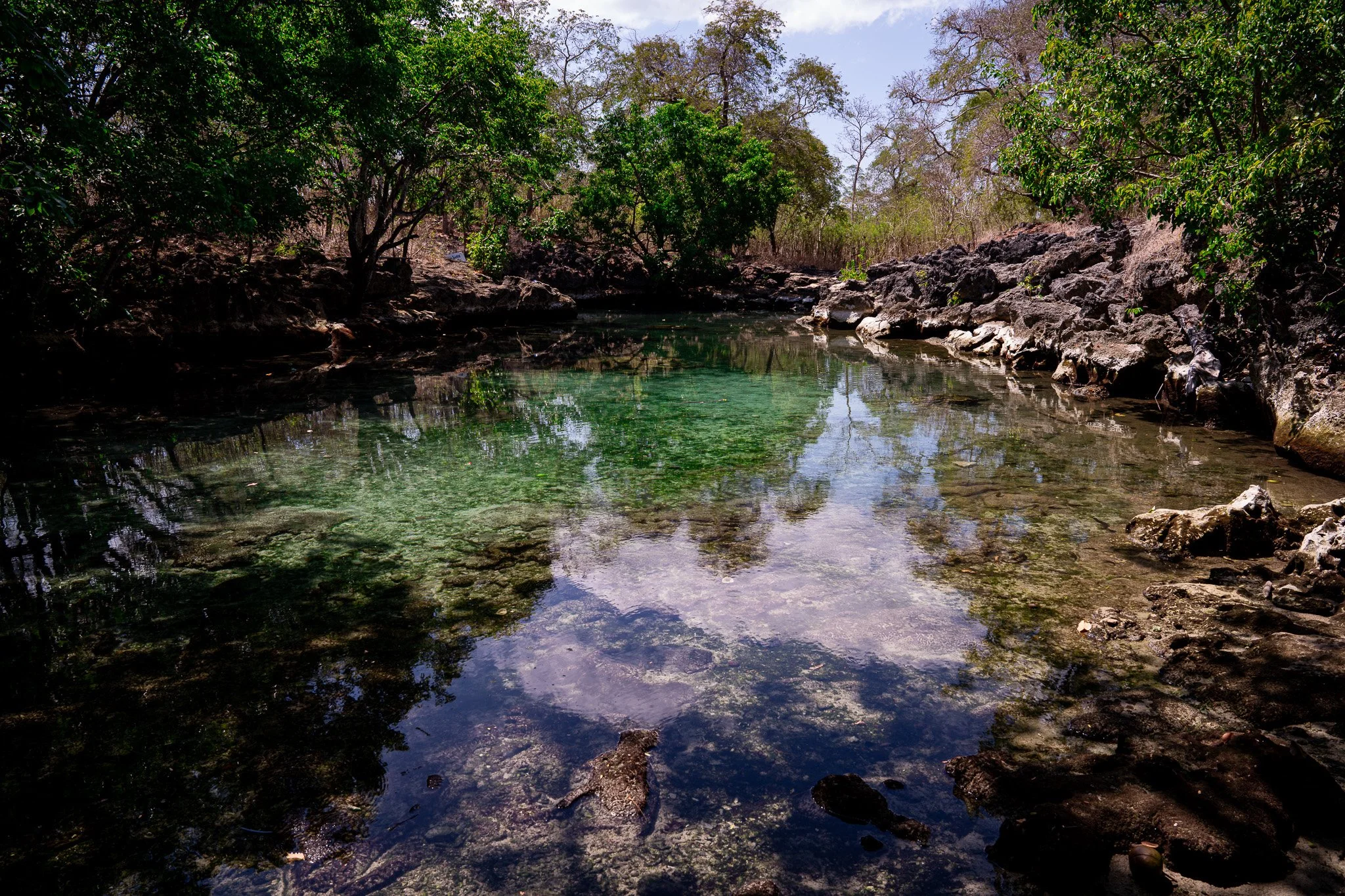
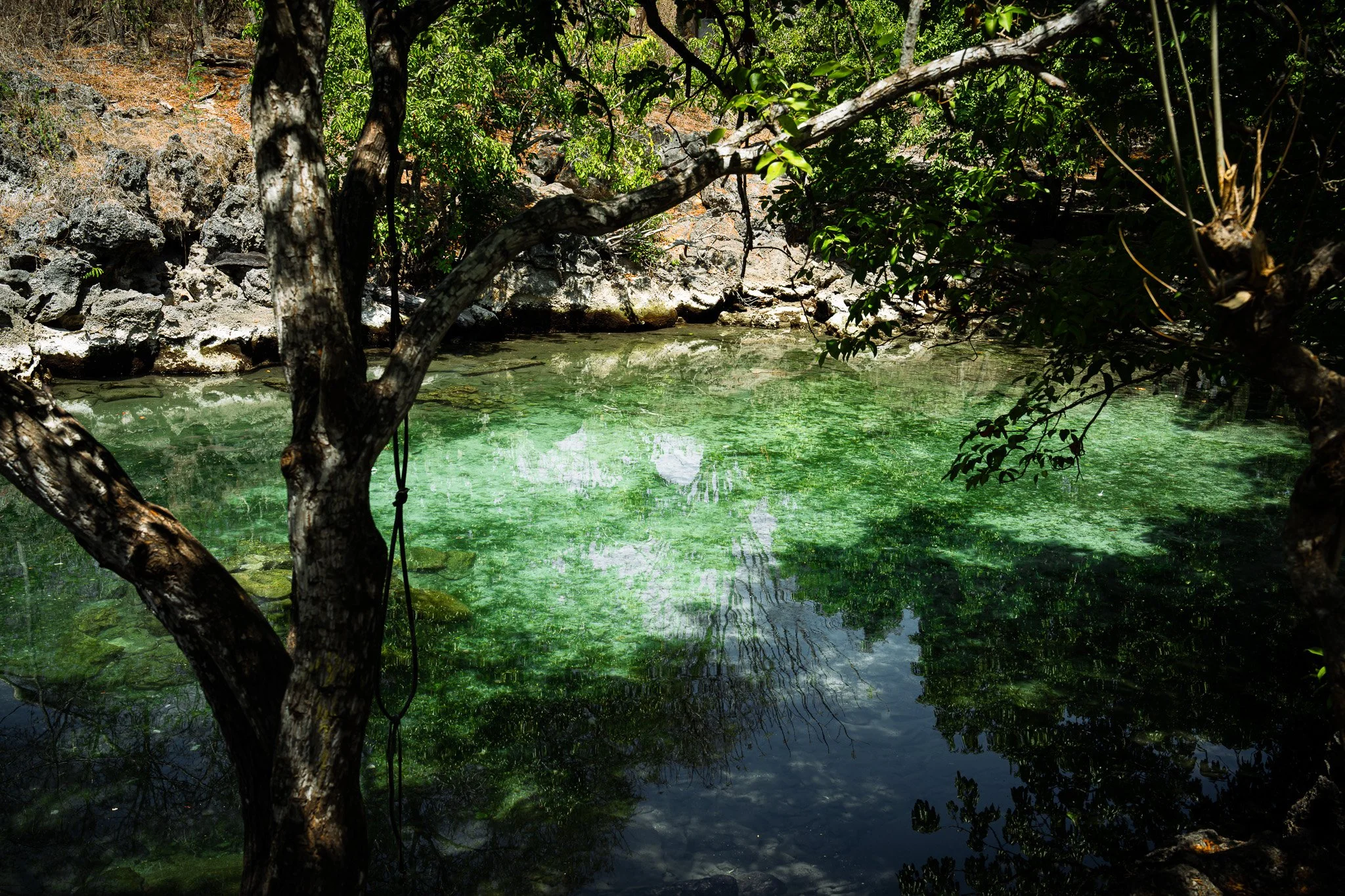
Along the way, we passed a natural seawater pond that caught my attention. What made it unusual was its distance from the sea. I was told that seawater seeped through the underground rocks to fill the pond. According to the locals, the fish and turtles had been introduced into it.
The pond was quite shallow, and the water was so clear that we could see the turtles and colourful tropical fish moving beneath the surface. There were three turtles swimming about, seemingly unbothered by our presence.
The scene reminded me so much of the lakes at Jiuzhaigou in China, where the clarity of the water allows you to see so much of what lies beneath.
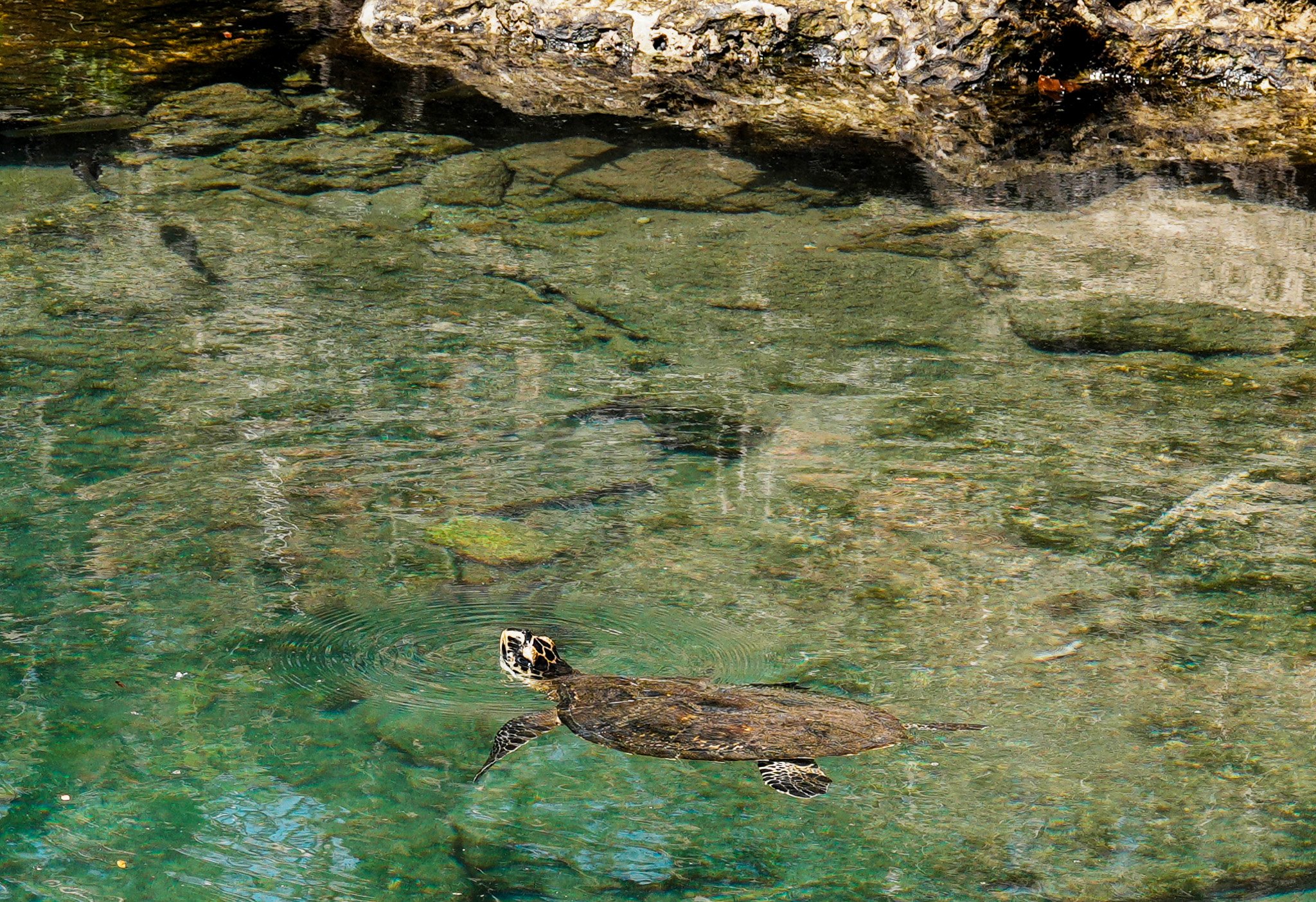
I could have stayed there much longer, simply watching the turtles and fish go about their day. They moved quietly through the water, seemingly unaware of our interest in them, or perhaps simply accustomed to having people nearby.
It was one of those places where there was no particular need to do anything. Just watching was enough.
The resort was quiet.
In fact, we were the only guests.
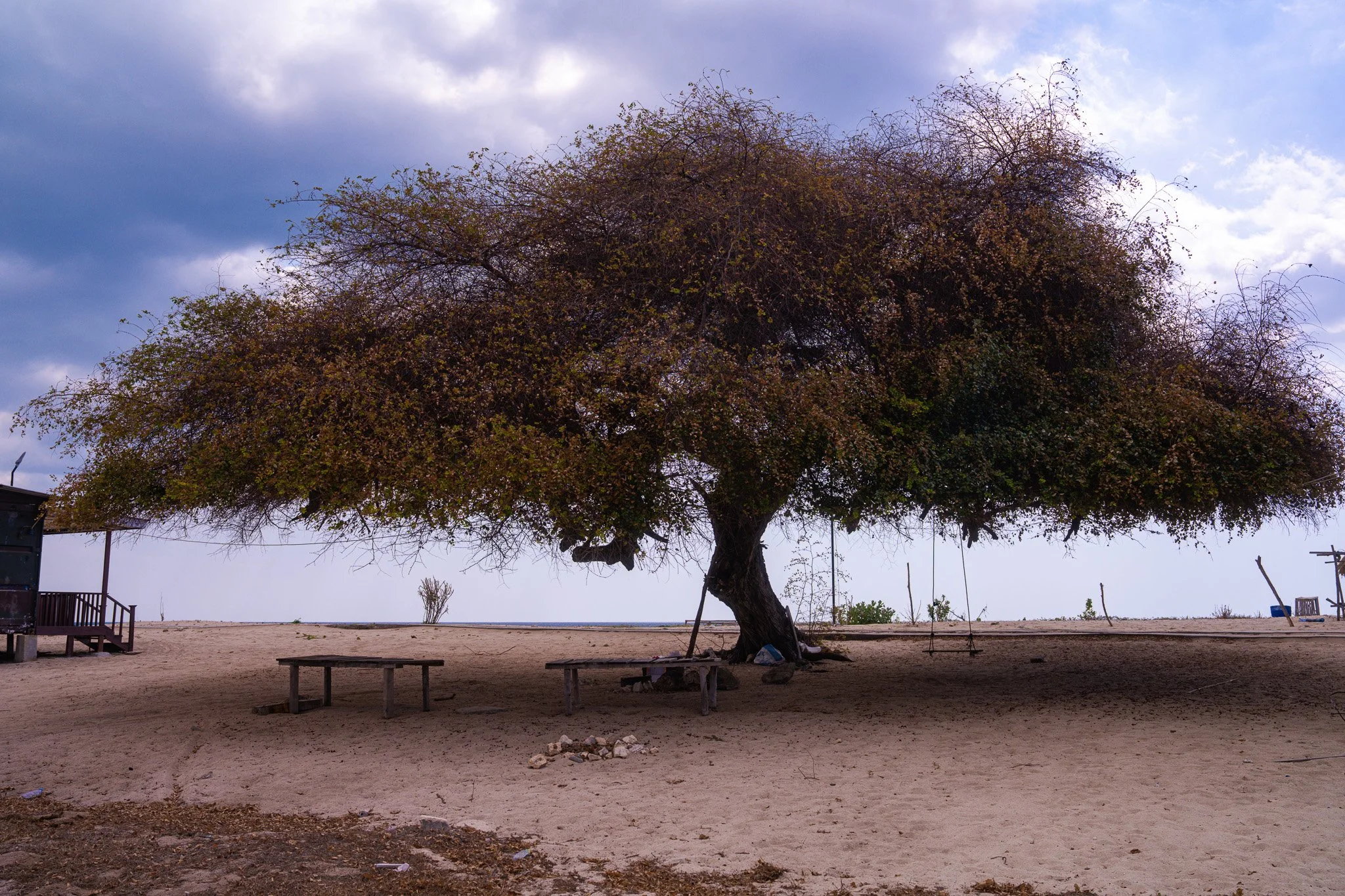
We had also arrived before the official check-in time, so while we waited for our early check-in to be arranged, we sat on a bench facing the open sea.
It was high tide. The beach stretched as far as I could see, covered in fine white sand without a single footprint to disturb it. The sea was a beautiful blend of green, blue and turquoise, each colour flowing into the next. The water looked exactly as I had imagined it from all the stories I had heard about Semau.
Above us, the canopy of the bench provided just enough shelter from the blazing sun. The heat was strong, but the breeze coming from the sea was cool.
It was one of those moments when there was nowhere else I needed to be.
Just sitting there, looking at the sea, felt like the perfect beginning to our stay on Semau.
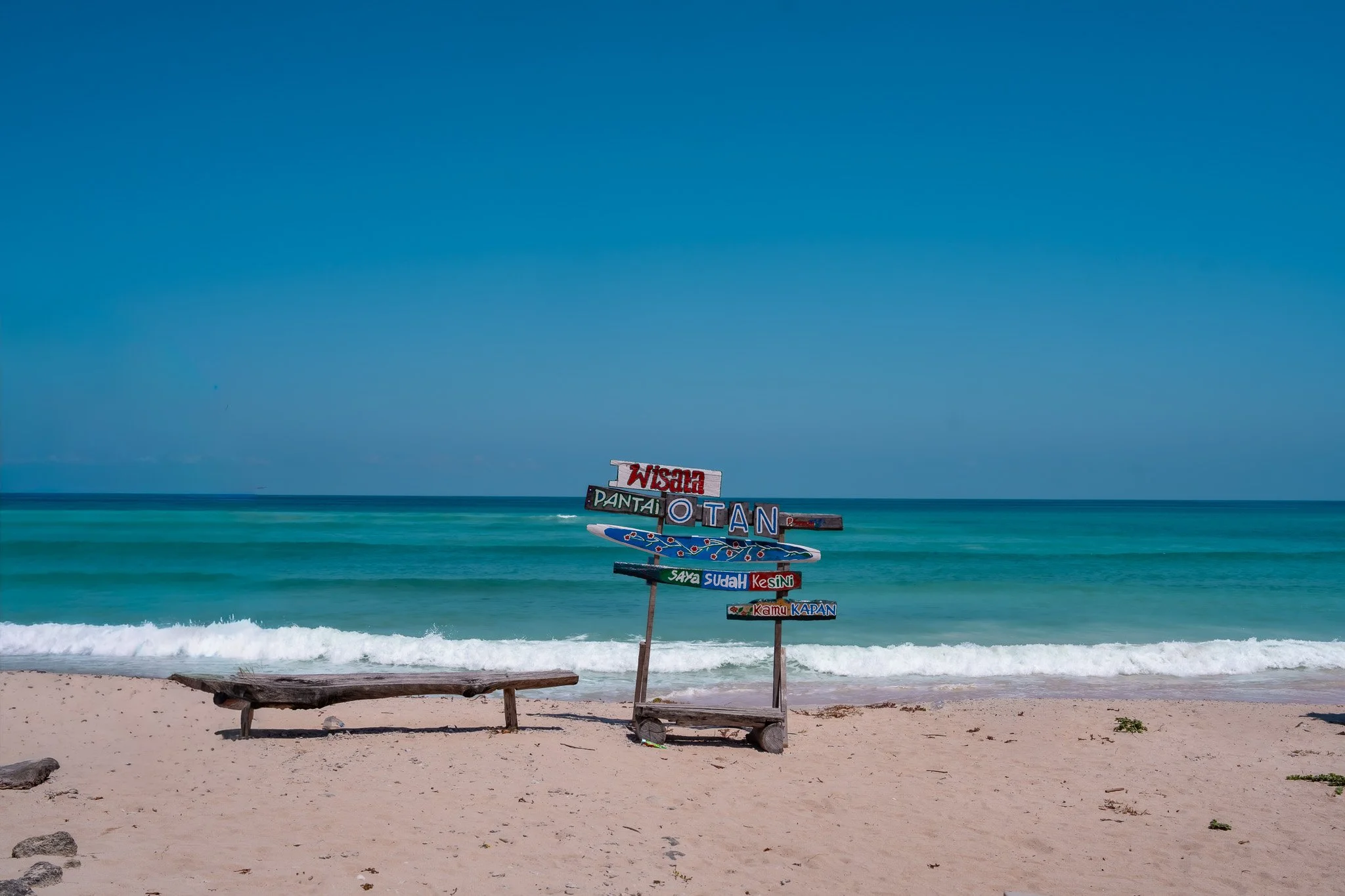
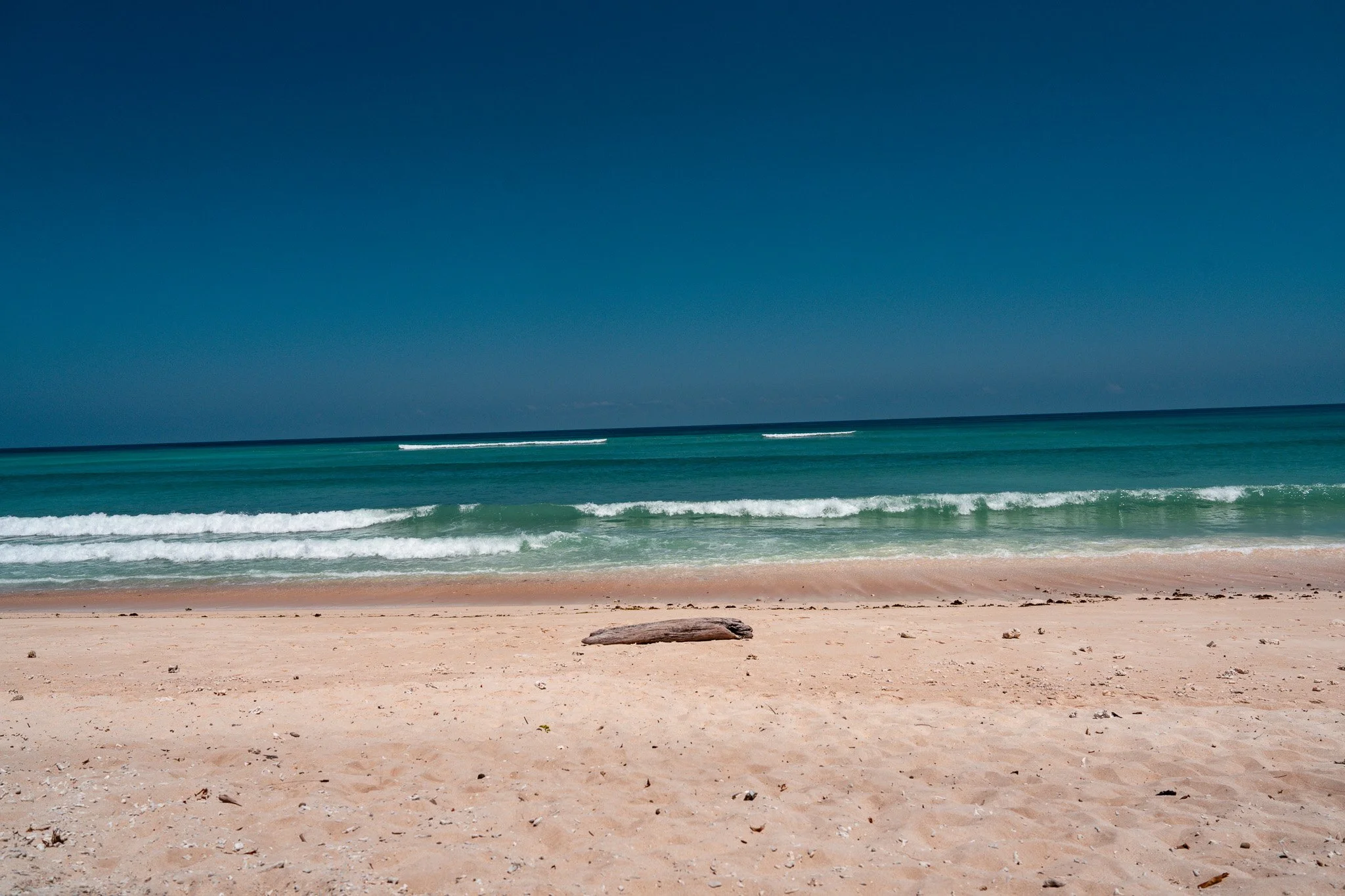
Then I noticed something in the water.
At first, I thought they were pieces of driftwood bobbing on the surface. But something didn't seem right. The dark shapes remained almost in the same place as the waves rolled towards the shore.
If they were driftwood, I expected them to be carried towards the beach.
Curious, I looked more closely.
Then one of the dark shapes rose slightly above the water.
I could make out the shape of a tiny head.
A turtle.
Once I recognised it, I could suddenly see the rest of its body beneath the surface. Its shell and legs appeared briefly as it rose with the water, before disappearing again.
Then I noticed another one.
There were two turtles.
They seemed to be playing in the water, diving beneath the surface as the waves approached and resurfacing again a little later. They stayed close to each other, moving with the rhythm of the sea.
We had barely arrived, and Semau had already given us something I hadn't expected.
Two turtles quietly playing just offshore.
It felt like an unexpected gift — a small welcome from the island.
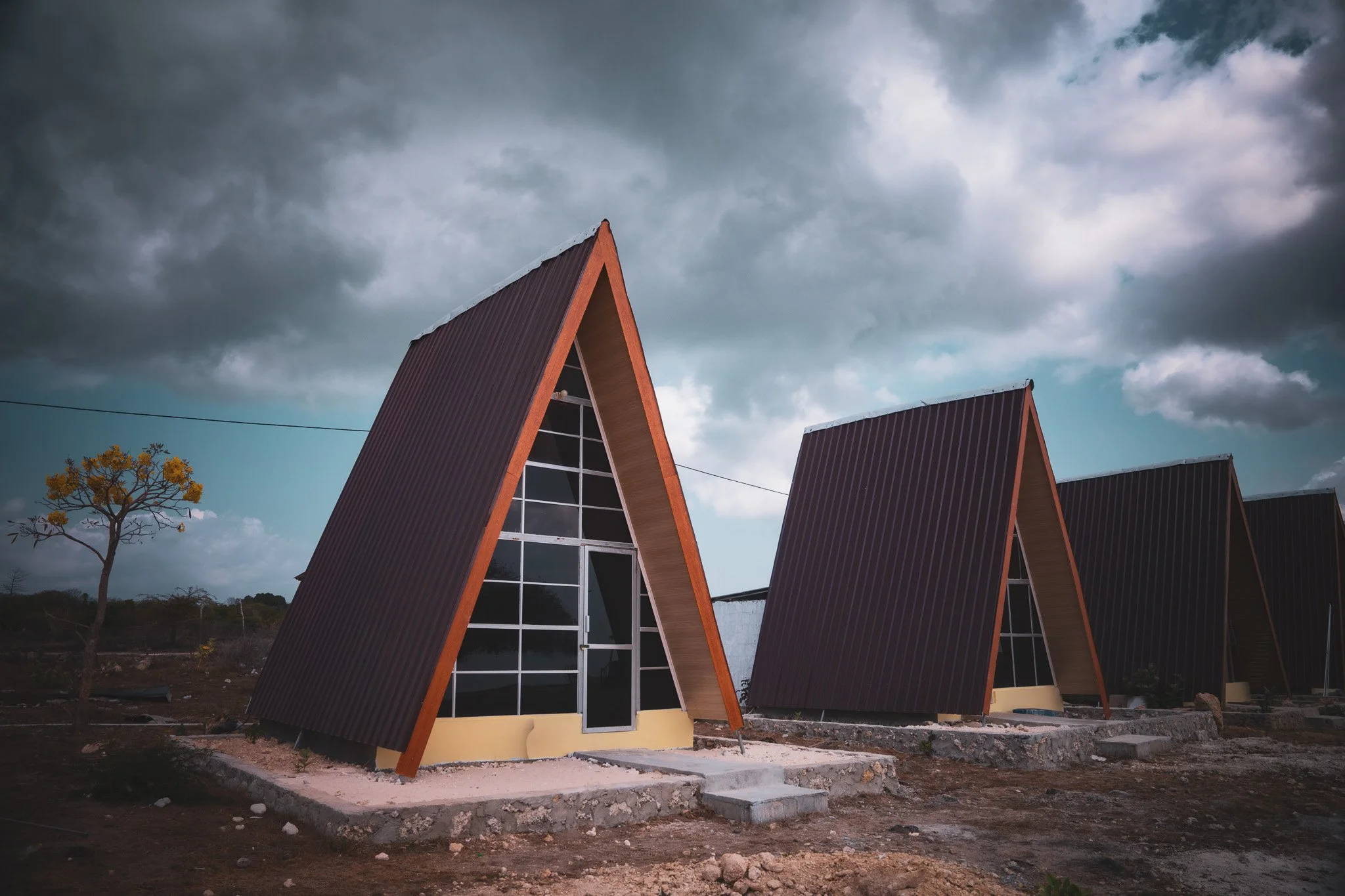
Our accommodation was a stand-alone, two-storey hut. At first glance, it looked like something out of a fairytale, especially at night when the lights were on.
Inside, it was simple and minimalist.
A double bed occupied most of the first floor, with a small table tucked beside the entrance. A half-spiral staircase led to the upper floor, where two single beds and another small table filled the space.
Windows on both sides allowed the sea breeze and light to come through, while a door opened onto a small balcony that looked directly out to the sea.
There was even a semi-enclosed outdoor bathroom, accessible from the first floor, which completed the little hut.
It was simple, cosy and just right for what we needed.



After a short nap, we stepped outside again.
The weather had changed slightly. A large patch of grey cloud had settled over the sky. It wasn't heavy enough to bring rain, but it had hidden the sun and softened the heat. A cool breeze came off the sea, making it comfortable to stroll along the beach.
It was time to explore.
At the far right of the beach, I noticed a small cluster of trees growing towards the sea. Something about them caught my attention, so I headed in that direction.
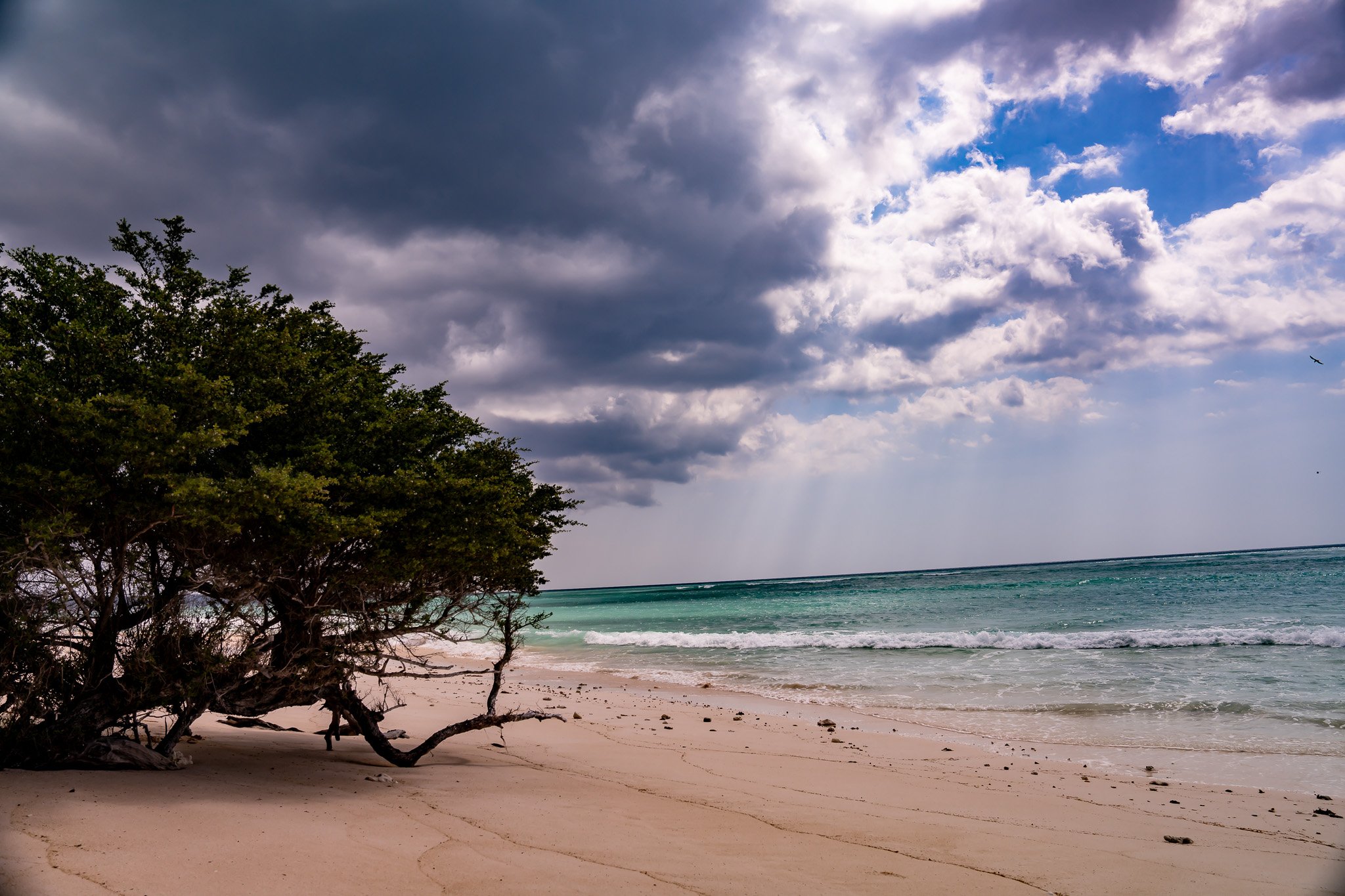
The sand was soft and slightly warm beneath my feet. Each step sank deeply into it, leaving a clear footprint behind.
Looking back at the otherwise untouched stretch of sand, I felt a little guilty.
There had been no footprints before mine.
Now there were.
I left a trail of footprints along the shore.
There was something quite special about having such a beautiful beach almost entirely to ourselves. As I walked, time seemed to slow down. My pace slowed with it. There was no need to hurry, no one to catch up with, and nowhere else I needed to be.
It wasn't that this beach was so different from the many others I had seen. It was the tranquillity I felt as I walked that made it special. The beach, the sea and the surrounding nature remained undisturbed, with no one else in sight. For once, I could enjoy it all at my own pace, for as long as I wanted.
It was a rare experience. Beautiful beaches were not new to me, but having one almost entirely to myself, with nothing interrupting the quiet, was something I seldom encountered.
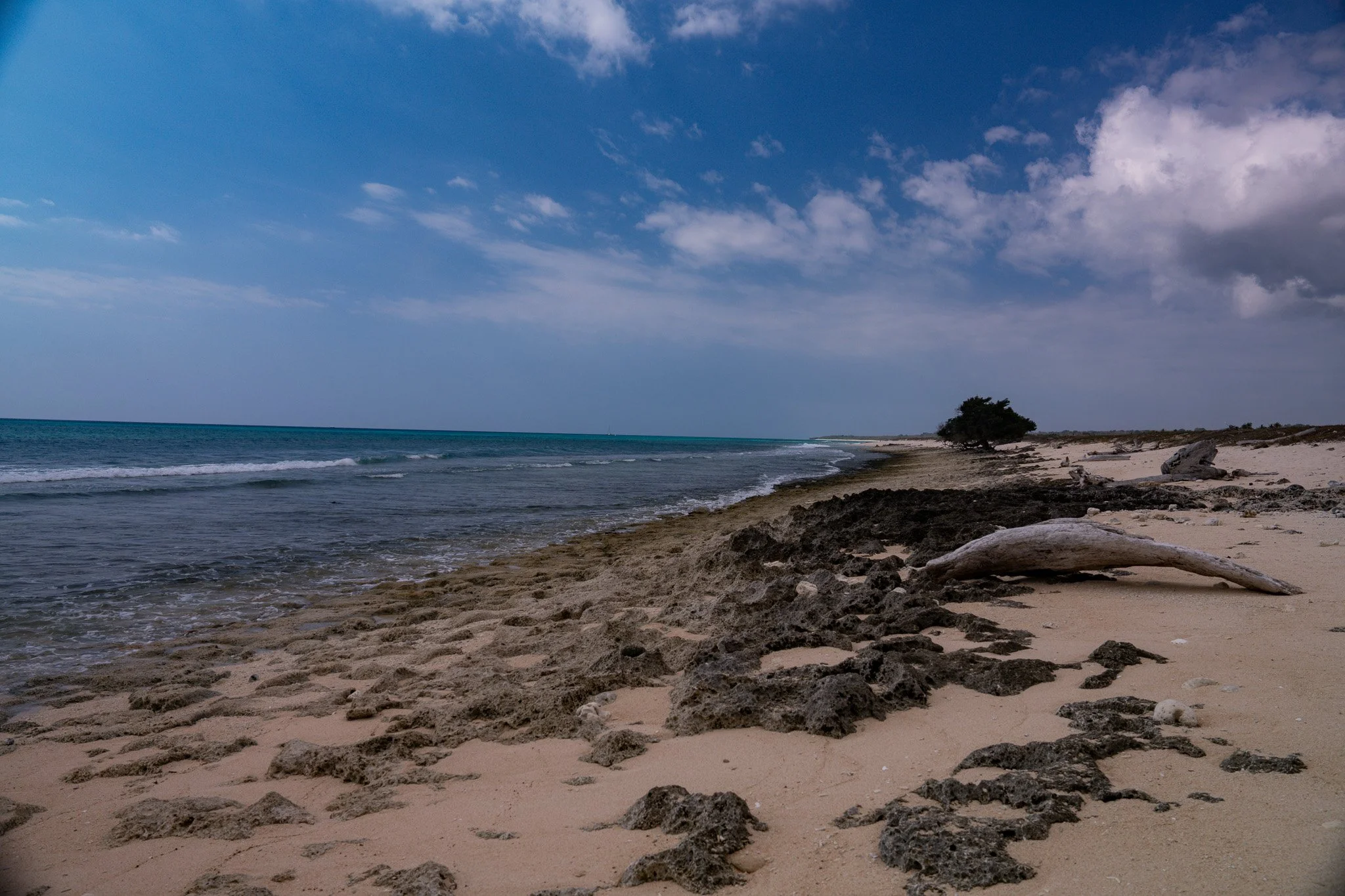
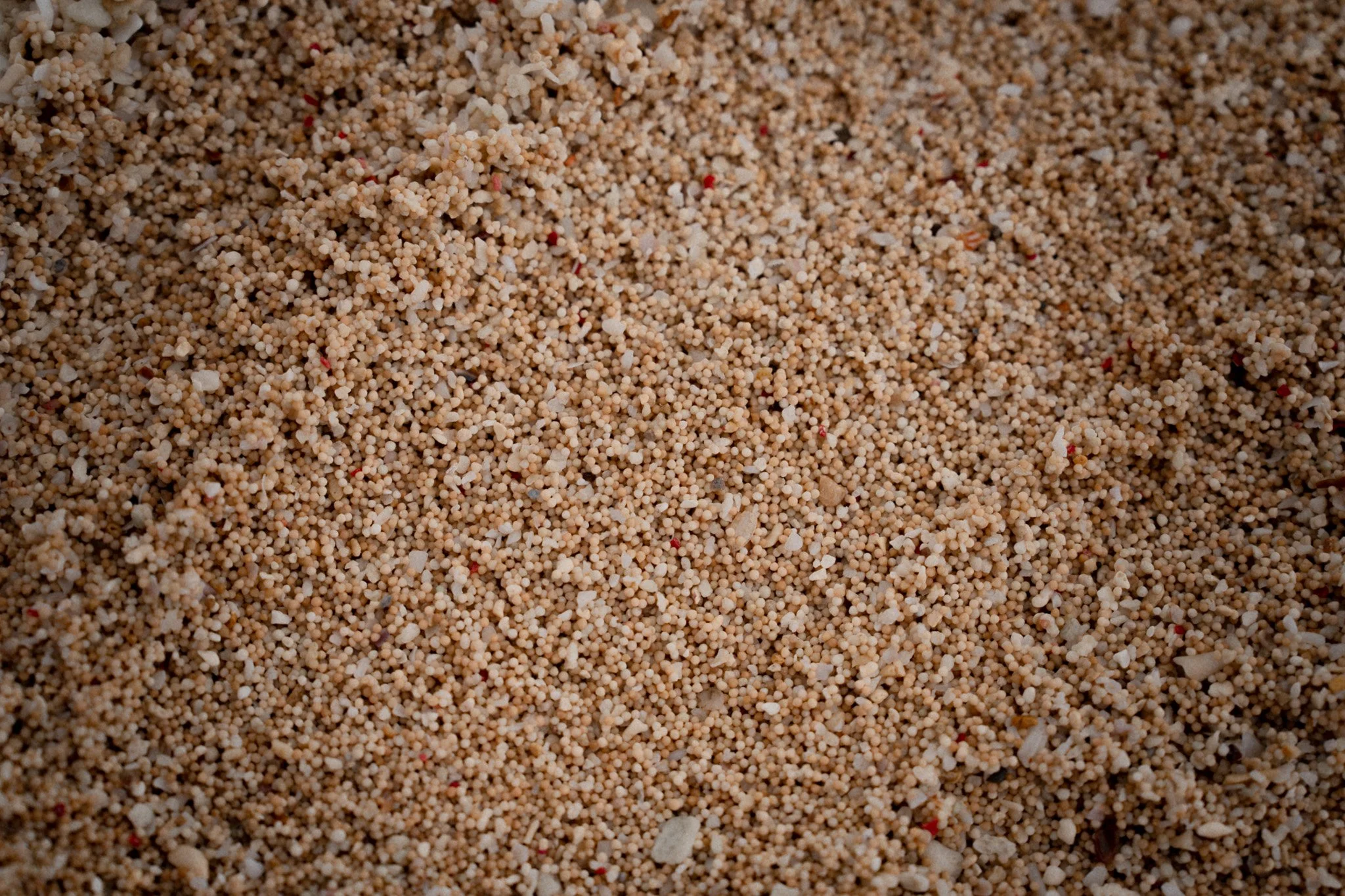
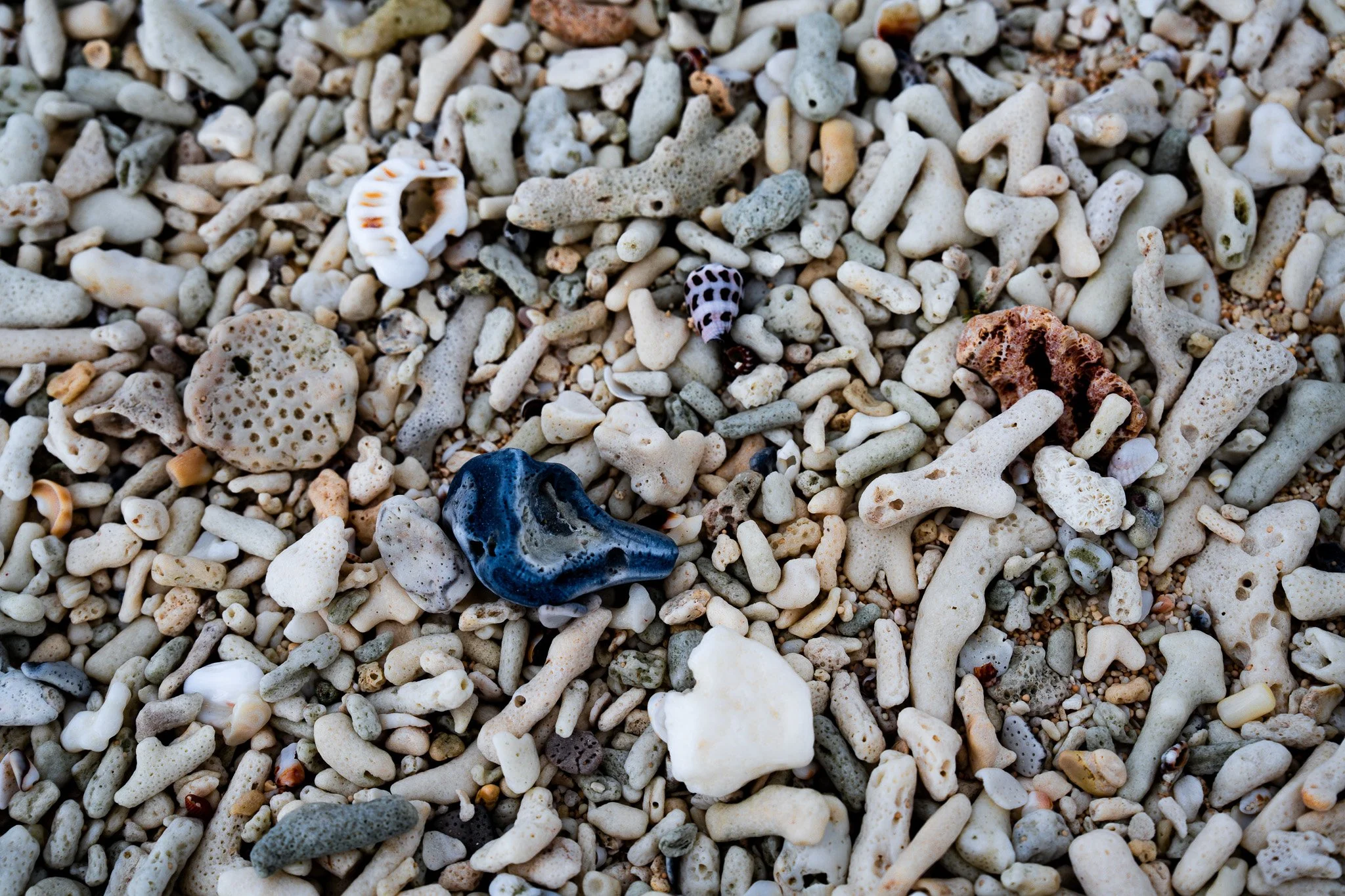
I continued walking until I reached the far end of the beach. There, I noticed patches of broken coral scattered across the sand. Curious, I looked more closely and discovered that what I had taken for ordinary sand was, in some places, made up of tiny, rounded pebbles.
It was a small discovery, perhaps insignificant to anyone else, but it caught my attention.
Sometimes, when we slow down enough, even the familiar reveals something new.
The sun had dipped closer to the horizon. It was our sign that it was time to make our way to Pantai Liman.
Pantai Liman had come highly recommended as one of the best places on Semau to watch the sunset. It was known for two things: a long stretch of pristine white beach that seemed to go on forever, and a small hill at its western end.
From our resort, it was about an hour's drive.
I had been warned about the road, but somehow I still wasn't prepared for it.
For most of the way, we bounced along a rough and uneven track. The journey was slow and uncomfortable, with the car constantly negotiating its way around the worst sections.
Then, unexpectedly, the rough road would disappear.
Three times along the journey, we came across a stretch of smooth asphalt, each section lasting perhaps two kilometres before abruptly giving way to the familiar bumps and potholes again.
I couldn't understand why.
There seemed to be no obvious reason why these particular sections had been paved while everything around them had been left untouched. It was almost as if someone had randomly decided, at some point, Let's fix this part.
Then, after two kilometres, they simply stopped.
It was one of those little mysteries of travelling that I never found an answer to.
Pantai Liman was worth every bump along the way.
When we arrived, I was given a choice. We could stop at the headland on the opposite side of Bukit Liman, or continue straight to the hill itself. Looking at the position of the sun, I decided to go straight to Bukit Liman.
The sunset was probably still an hour away when we arrived at the car park.
The hill itself was not particularly remarkable or unique. But its position beside the beach gave it character. It framed the long stretch of white sand, and when the hill and the beach were viewed together, they became something distinctive — a combination that has become almost a trademark of Pantai Liman.
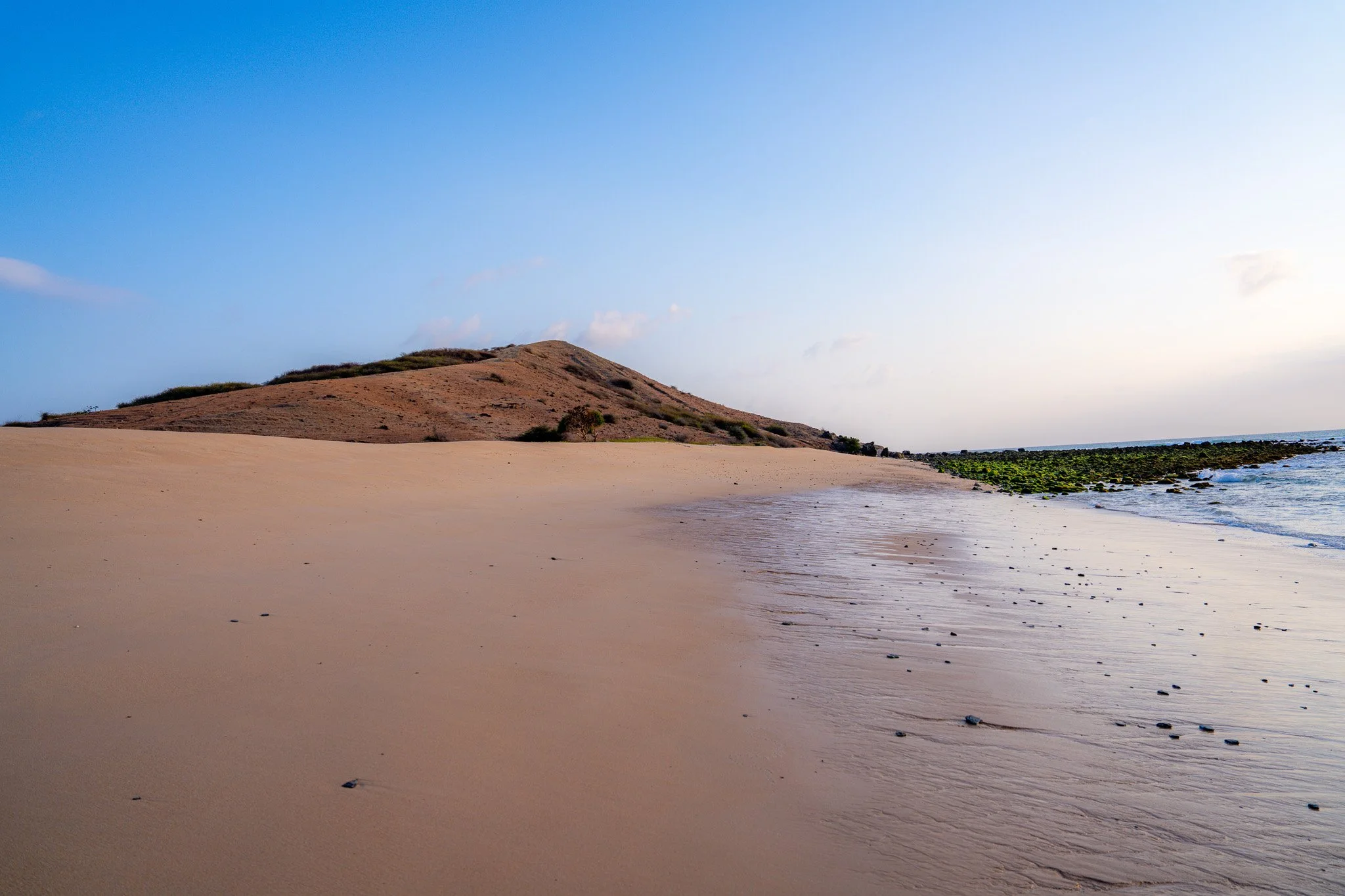
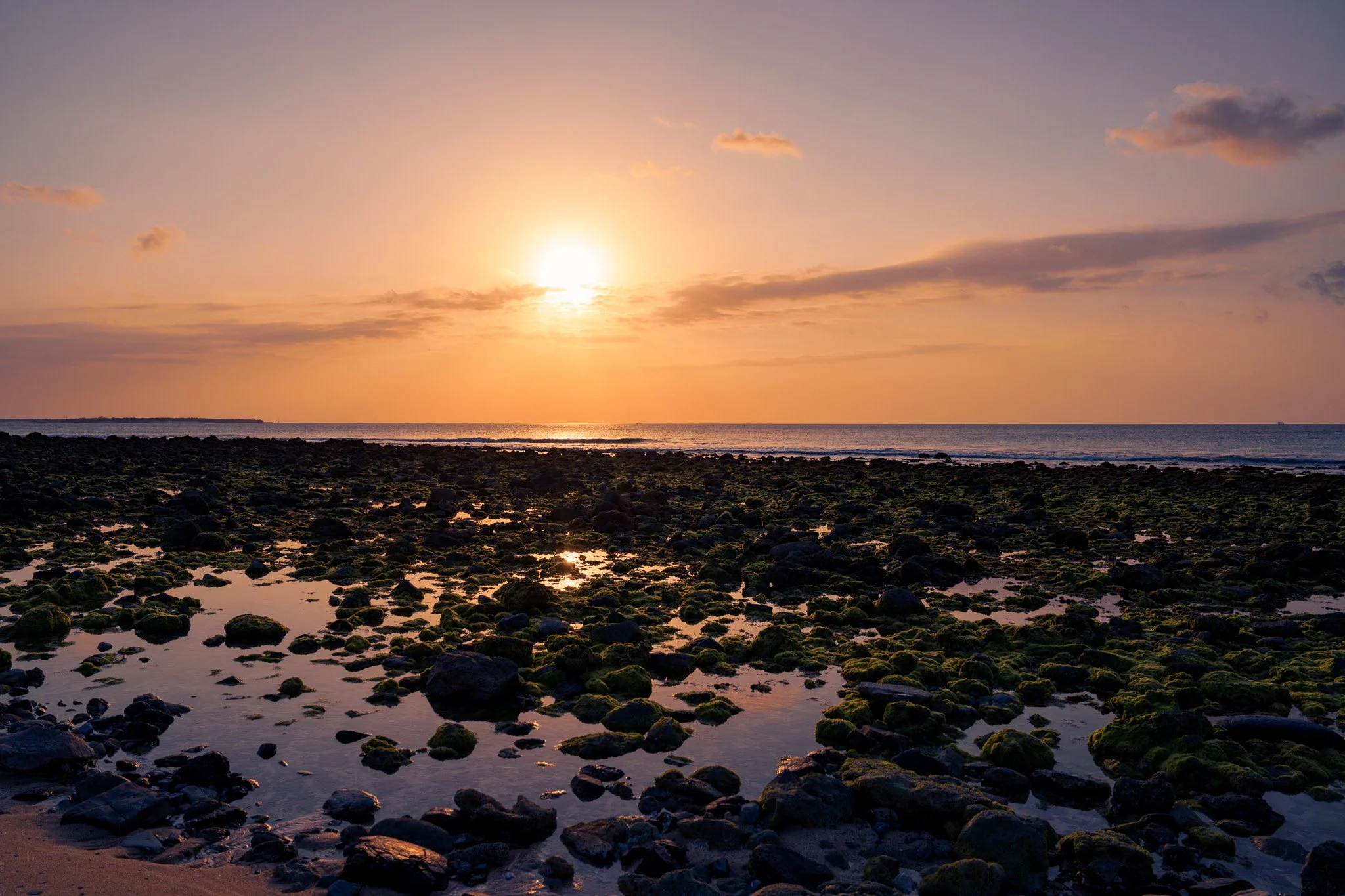
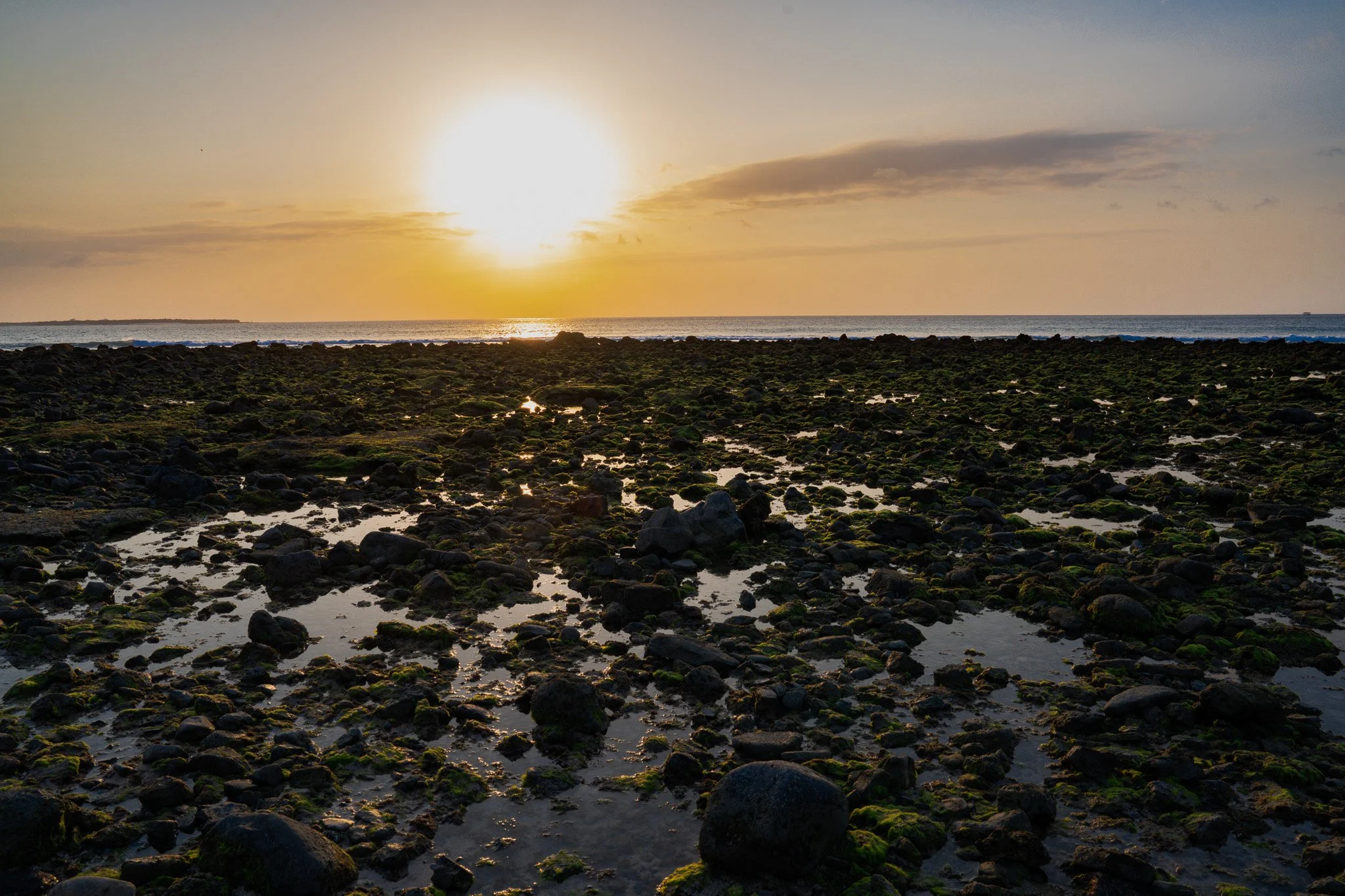
It was low tide when we arrived, revealing another unexpected layer of beauty.
Patches of coral stretched along the shoreline, breaking up the otherwise endless white sand. The coral gave the beach a different character, something that only appeared when the tide receded.
As with Pantai Otan, we were the only people on the beach.
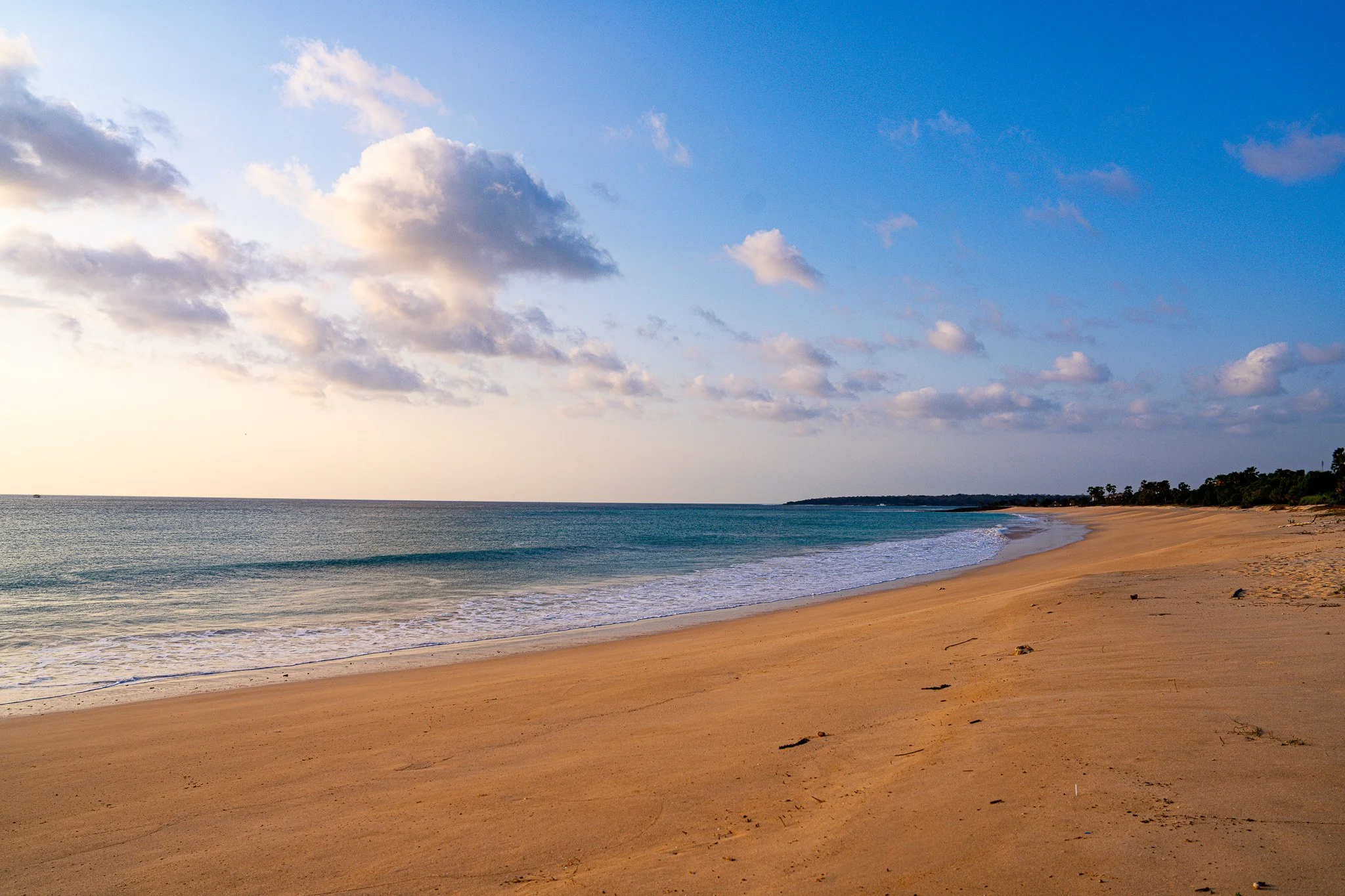
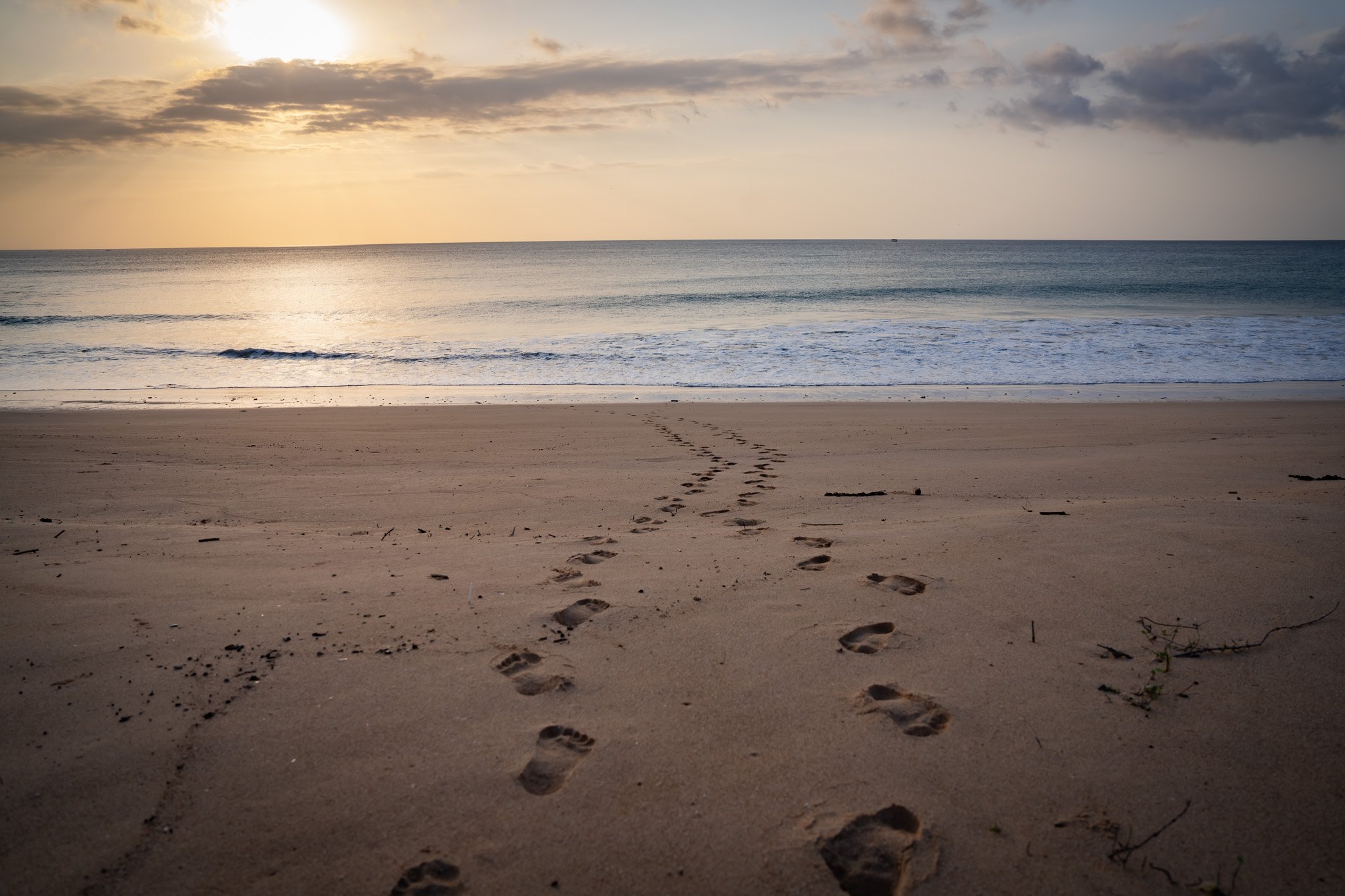
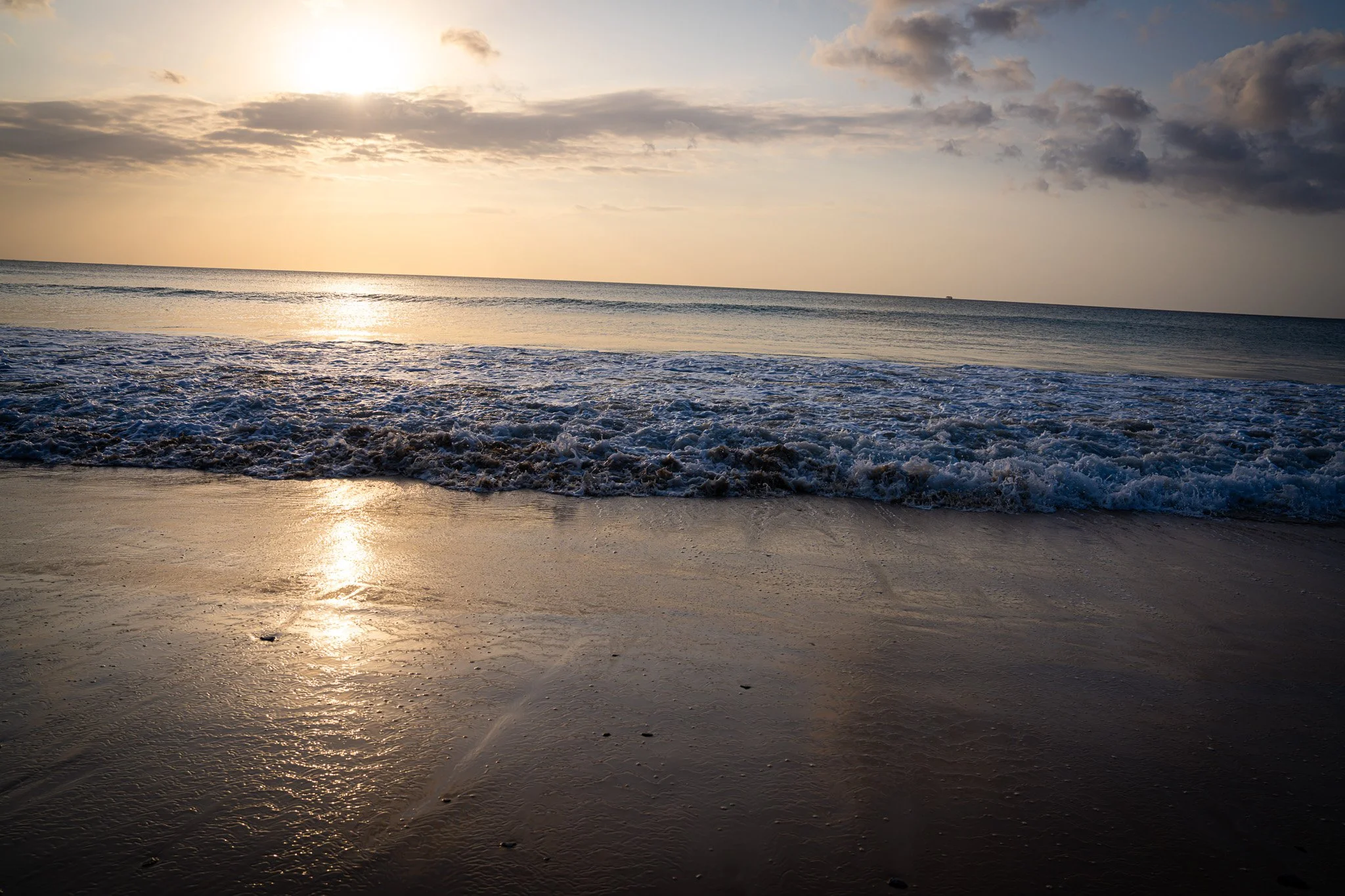
The overcast sky had created a natural shield from the glare of the sun, while a gentle, cool breeze made the wait for sunset comfortable.
The hill looked inviting. Part of me wanted to climb it and see the beach from above.
But I resisted.
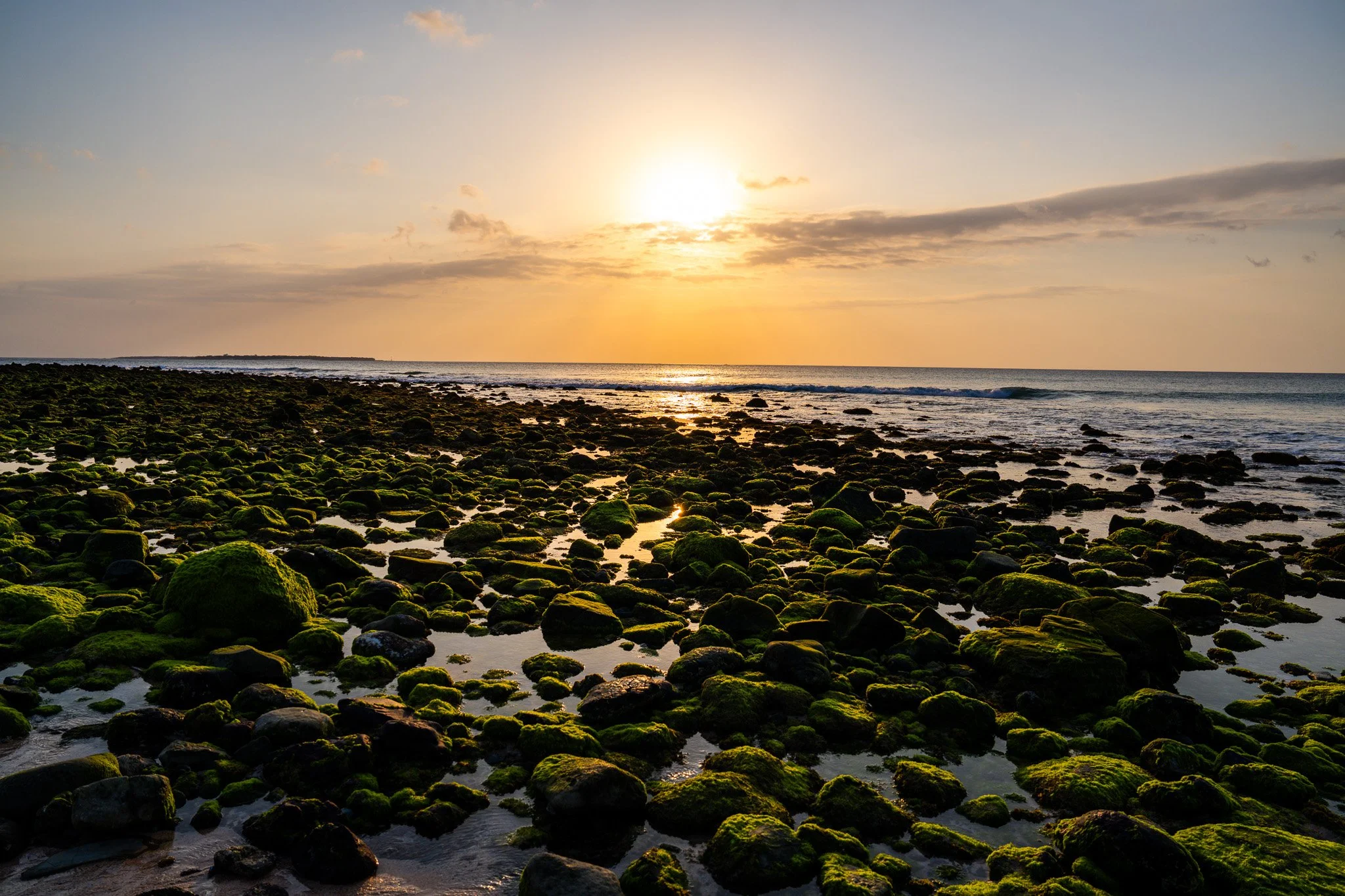
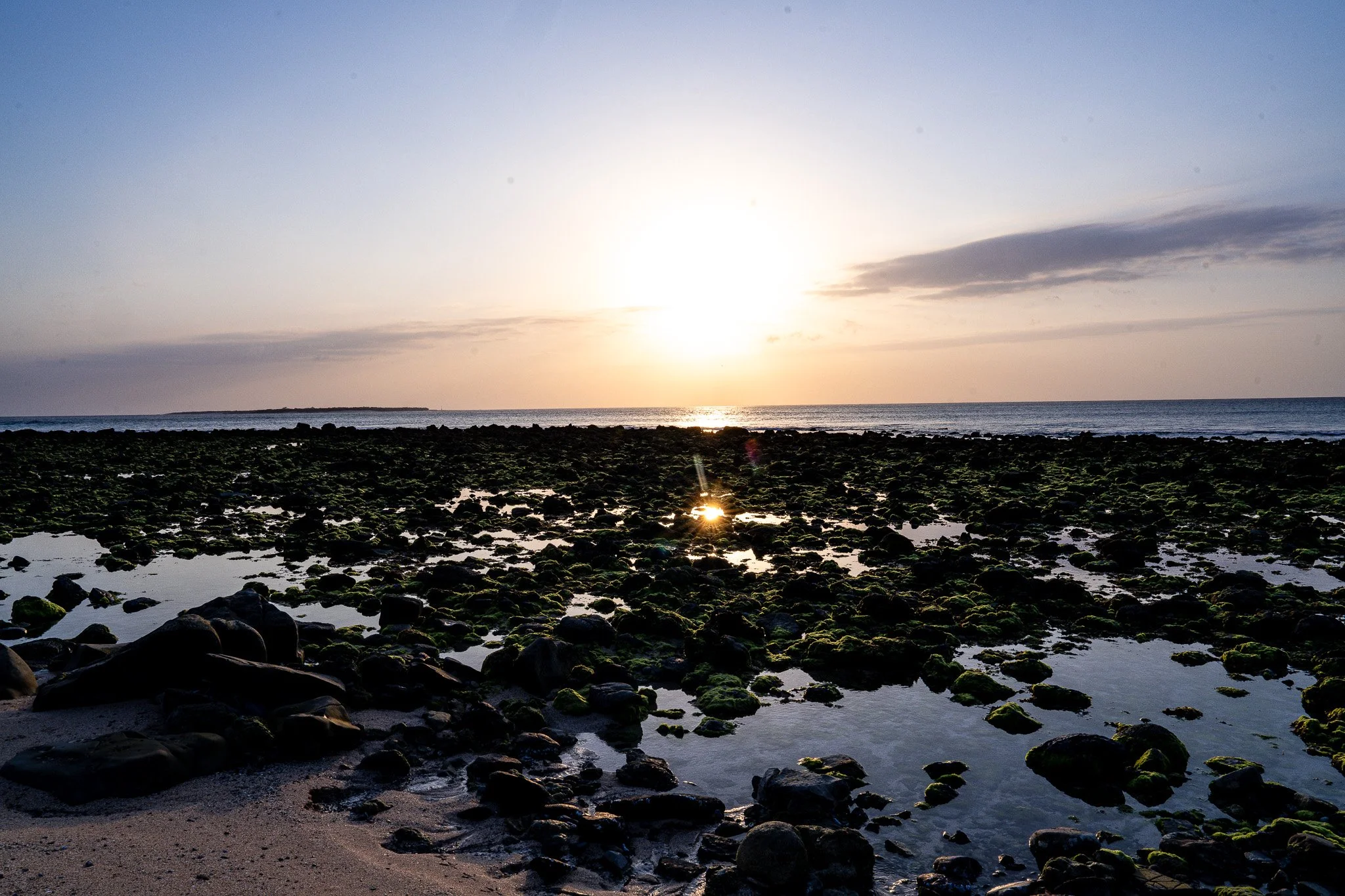
Instead, I wandered towards the coral, looking for a good spot from which to photograph the sunset. Between the coral were small pools of still water left behind by the receding tide.
And then I saw the reflections.
The calm water held the sky almost perfectly, creating little mirrors between the coral. I had come looking for a sunset, but these unexpected reflections were proving to be too tempting to ignore.
For the moment, the hill could wait.
I was mesmerised by the rock and coral formations around me. Small pools of water had formed between them, and almost every exposed surface was covered with a soft layer of green algae, or perhaps sea grass. I wasn't quite sure which.
What fascinated me was how the green seemed to change colour depending on where I stood and how the light fell on it. From one angle it looked deep and rich; from another, it became lighter and almost luminous.
I spent most of my time trying to capture these details with my camera.
I tried to remember all the lessons I had learnt from my photography classes. I adjusted the settings, changed the light, moved around looking for a better composition, and tried again. It was one of those moments when photography made me look at something ordinary more carefully than I otherwise might have.
Behind me, I could almost hear the hill calling.
Every now and then, I turned around and looked at it. I wondered what I would see from the top. The view of the beach from above must have been beautiful. I was close enough to climb it, and there was nothing stopping me.
Yet I never did.
And surprisingly, I didn't regret it.
I have come to realise that not every place needs to be conquered.
Sometimes, a place becomes more memorable because something is left unexplored. The hill remained a mystery to me — a view I could imagine but never saw, a small piece of Semau that I left behind for another time.
Perhaps that is also part of travelling.
Not every journey has to end with seeing everything.
Sometimes, it is enough to leave a little unexplored, so that the place remains with you as a question rather than an answer.
Then came the sunset.
It was unlike any sunset I had seen before.
As the sun began to descend, I initially thought the sky was hazy, perhaps covered by a thin mist rising from the ocean. I was expecting the usual spectacle — a sky glowing brightly as the sun disappeared, with colours spreading across the horizon in shades of orange, yellow, pink and purple.
But this sunset seemed to have a different character.
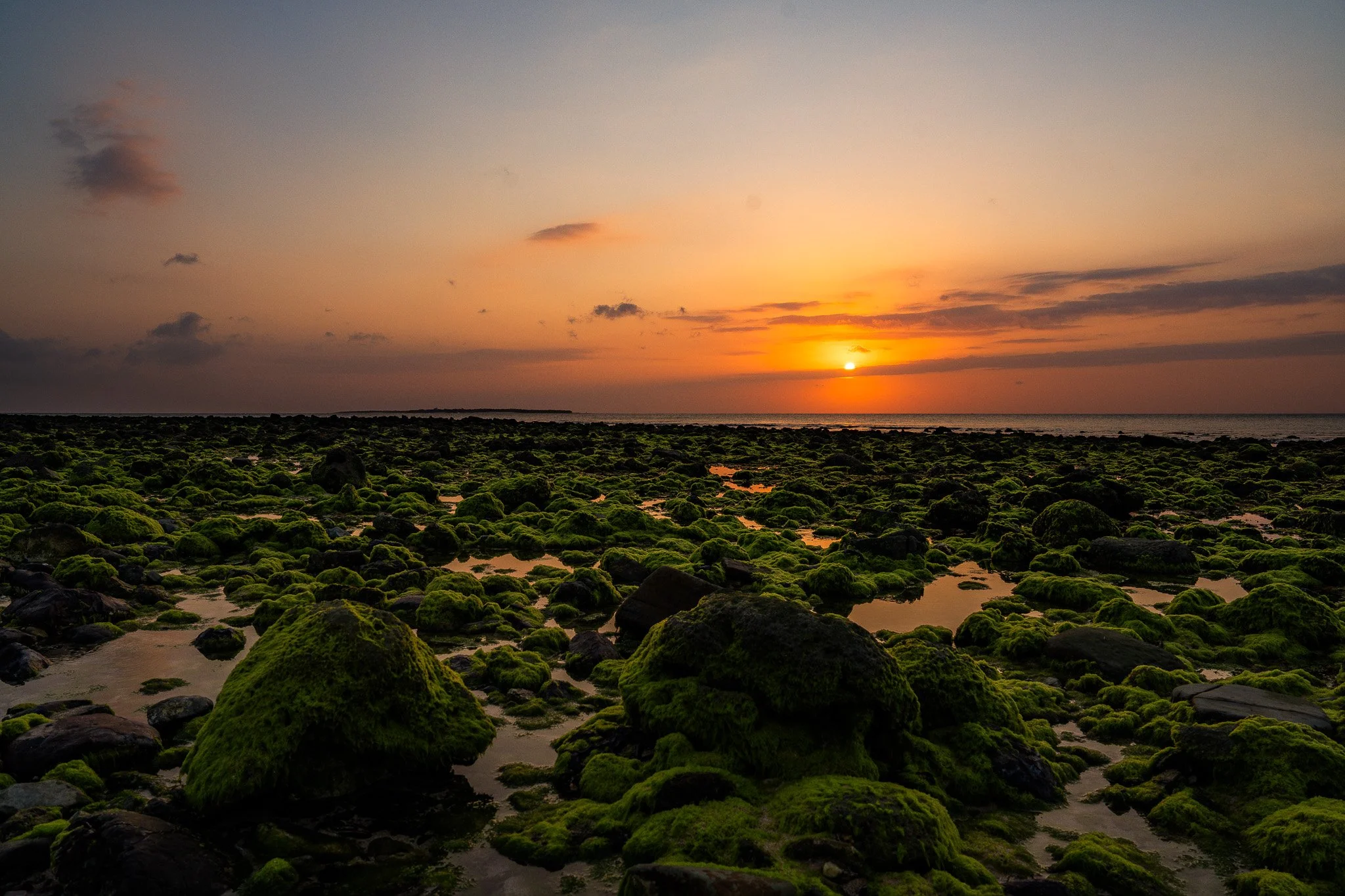
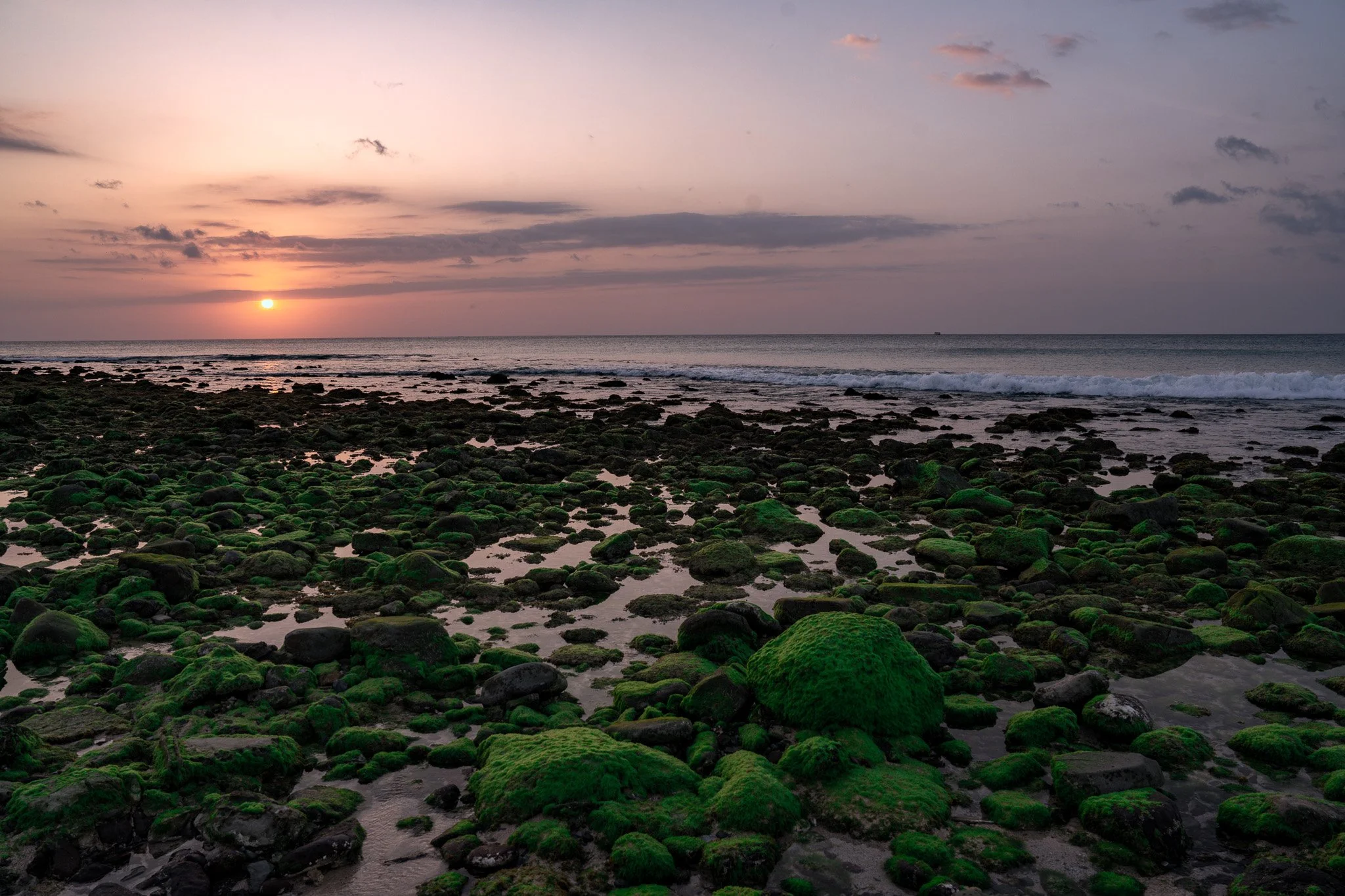
The sky was coloured by the setting sun, but the colours were muted. Instead of bursting across the horizon, the orange seemed soft and subdued, as though someone had turned down the brightness.
Then I noticed the sun itself.
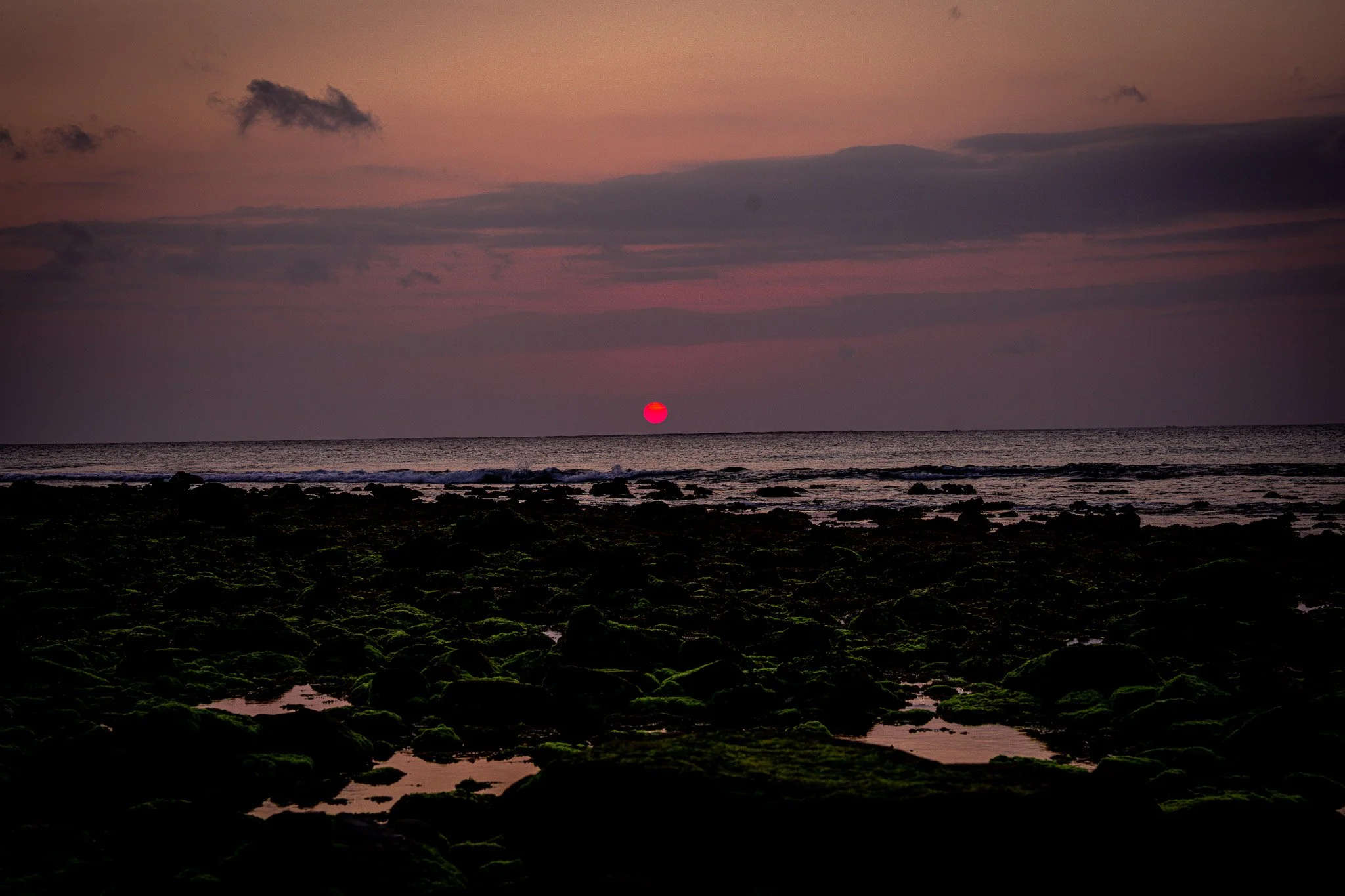
It was large, perfectly round and glowing intensely as it hung low above the horizon. Yet strangely, its light seemed contained within the sun itself. It glowed rather than radiated, like a ball of warm light suspended in the hazy sky.
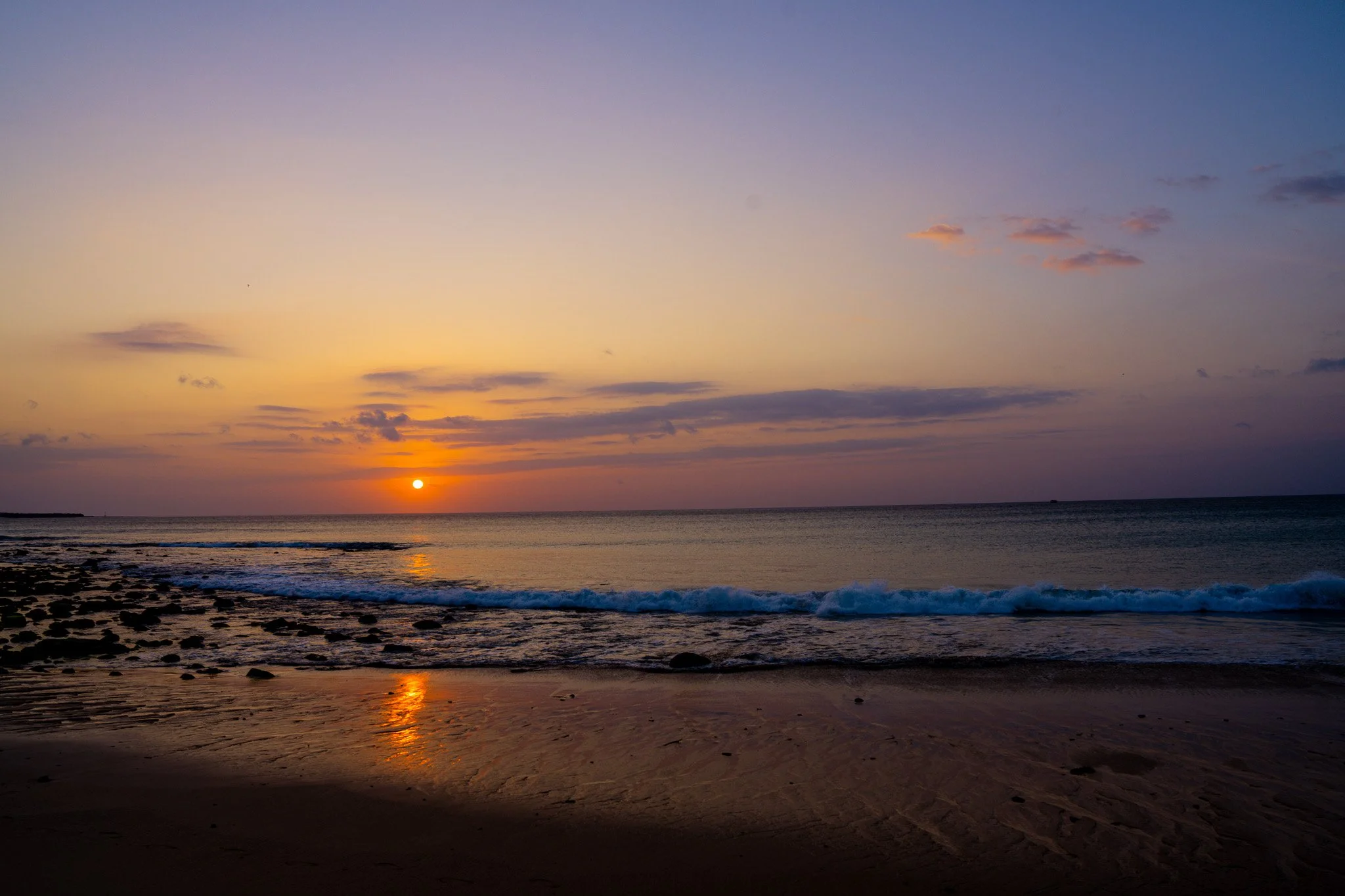
There was something almost unreal about it.
The green algae-covered rocks caught the last rays of sunlight and began to glow too. The colours of the rocks became richer, changing again as the light moved across them. Between the rocks, the still pools of seawater reflected the sky, the sun and everything around them.
For a while, it felt as though the whole beach was holding the last light of the day.
There was hardly any sound.
Only the gentle movement of the waves reaching the shore.
No voices. No traffic. No footsteps. Just the waves, the fading light and the occasional click of my camera.
We negotiated the same bumpy road back to the resort, this time in darkness.
For most of the journey, the only source of light was the car's headlights. The potholes that had been difficult enough to navigate during the day were now almost invisible until they appeared directly in front of us.
Our driver slowed even further, carefully picking his way through the darkness. The journey felt even longer than it had on the way there.
Back at the resort, the restaurant kindly heated the food we had brought with us for dinner. After eating, we retreated to our little hut.
It had been a long day.
Tomorrow, I would chase the sunrise.
I had been told there were two good places to watch it — Pantai Liman and Pantai Kelapa.
Part of me was tempted to return to Pantai Liman. I had already seen how beautiful it was at sunset, and I wondered what it would look like in the early morning light.
But then I thought about the road.
Going through that same bumpy journey again so soon did not seem particularly appealing.
Pantai Kelapa was closer, roughly halfway between the resort and Pantai Liman, and there was another route that led directly there. The problem was that we had been warned the road was even worse, despite being a more direct route.
So we decided to leave the decision until morning.
For now, there was nothing more to do.
It was time to rest.
As the night progressed, the sound of the waves became louder.
Our hut felt as though it was sitting right beside the beach.
This time, I knew exactly what I was hearing. The sound reminded me of another night in Inverloch, when I had initially heard the waves without realising what they were.
Here, there was no mistaking it.
The waves came and went in a steady rhythm, loud enough to fill the room but somehow soothing at the same time.
With the rhythmic sound of the sea in the background, we slowly drifted off to sleep.
We were on the road just after 4 am.
In the end, we decided to take the longer route rather than the more direct one. We weren't sure just how bad the alternative road would be, and we were not prepared to take the risk of finding it impassable and having to turn back.
The longer route took us back onto the bumpy road we had travelled the day before. At least this time, we knew what to expect.
We were less certain about where to turn onto the side road leading to Pantai Kelapa, so we relied on the GPS to guide us.
The side road was just as bad, and in some sections even worse, than the main road. Fortunately, it was still driveable. There were stretches that became quite steep and rough, forcing us to slow down even further.
Every bump added another few minutes to the journey.
By the time we finally reached the beach, it was exactly the predicted time of sunrise.
But there was no sunrise to see.
The sky was already bright, with none of the orange, pink or golden colours I had hoped to capture.
Then I realised something else.
We were looking towards the west.
The eastern horizon, where the sun would actually rise, was hidden behind a high mountain. Even if we had arrived much earlier, we probably would not have seen the sun appearing directly from the horizon. At best, we might have seen the first glow of morning light above the mountain.
I was a little disappointed.
We had left before 4 am, negotiated another difficult road and chased the sunrise, only to discover that the sunrise was never going to appear where I had imagined it.
But the journey had one more little decision waiting for us.
Just before reaching the beach, the road split into two.
Both seemed to lead towards Pantai Kelapa. We were fairly sure the road on the right was the shorter route, but it also looked completely undisturbed, as though hardly anyone had travelled along it.
The road on the left looked more like a continuation of the route we had been following.
For a moment, I thought of Robert Frost and his famous two roads.
But this wasn't poetry.
We were in Semau, it was still dark, and neither of us wanted to discover that the less-travelled road ended somewhere in the middle of nowhere.
So, unlike Frost's traveller, we took the road more frequently travelled.
Sometimes, when you are trying to reach a beach before sunrise, there is nothing romantic about taking the road less travelled.
The road did lead us to the coast, but it was not the Pantai Kelapa I had imagined
Instead of a sandy beach, we found ourselves standing on one of the landscapes that Semau is known for — sharp, jagged black rocks, solid and porous at the same time, their surfaces full of holes and cavities.
There was no way I would have attempted to walk barefoot across them.
Without shoes, I doubt anyone could have walked even 100 metres without risking a cut or having a foot pierced by one of those sharp edges.
From where we stood, I could see the sea beyond the rocks and the jagged edge where the land dropped towards the water. I didn't dare get too close. I stayed well within what I considered a safe distance.
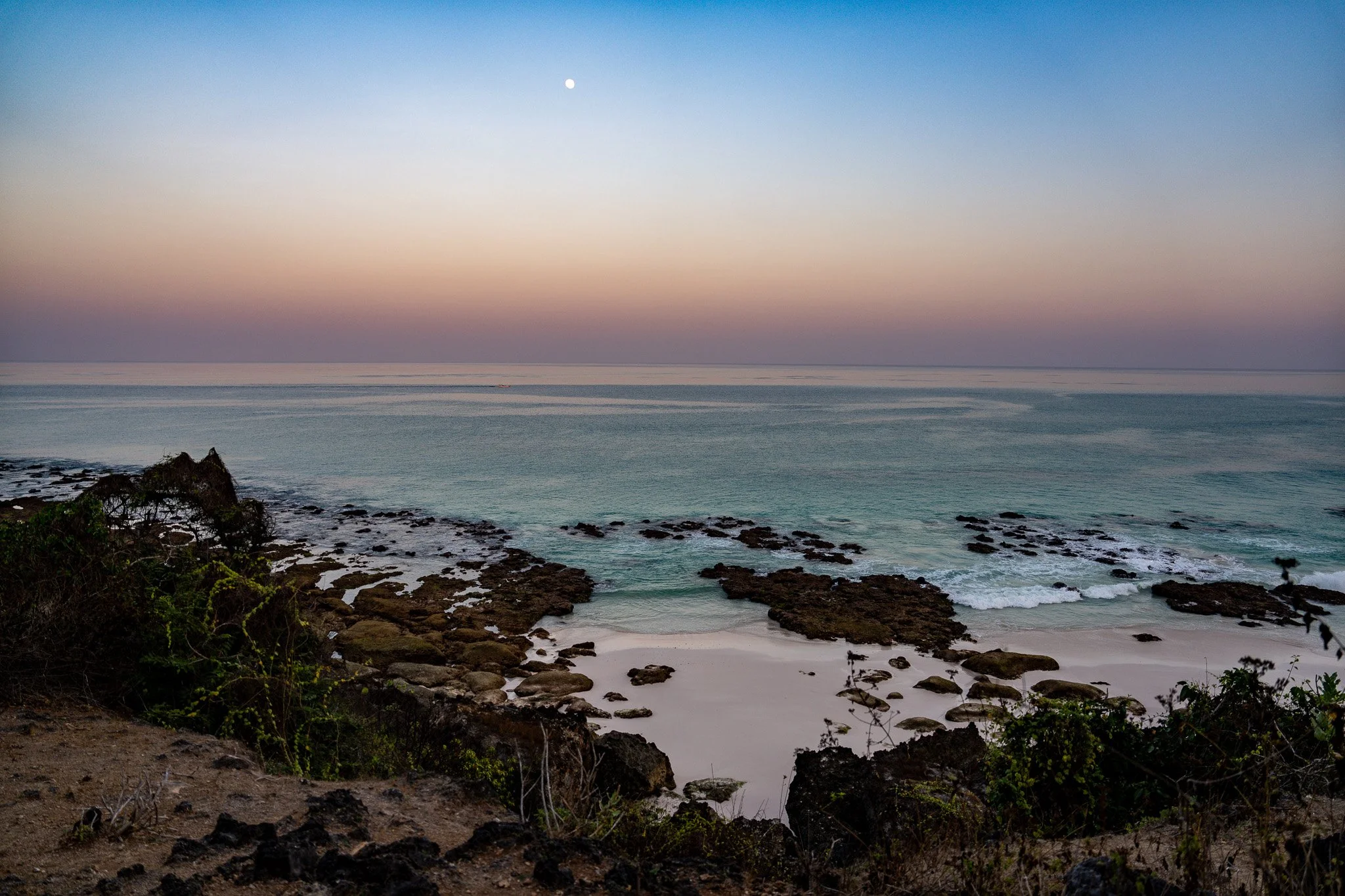
We began looking around for something that would tell us we had arrived at Pantai Kelapa.
Everything I had heard about it mentioned the tall coconut trees lining the shoreline.
But there were no coconut trees in sight.
As far as I could see, there was no obvious sandy beach either. There appeared to be a sandy stretch somewhere in the distance to our left, but even there, I couldn't see the distinctive line of coconut trees we were looking for.
To the right, the view was hidden behind dense, low-growing trees.
We were fairly sure that Pantai Kelapa was somewhere in that direction.
So we chose the right.
Very carefully, we began making our way across the sharp rocks, watching every step and choosing where to place our feet.
We still hadn't found the beach.
But we were getting closer.
As we made our way through the dense trees, the landscape suddenly opened up.
And there it was.
Far ahead of us was a scene that looked almost too perfect to be real.
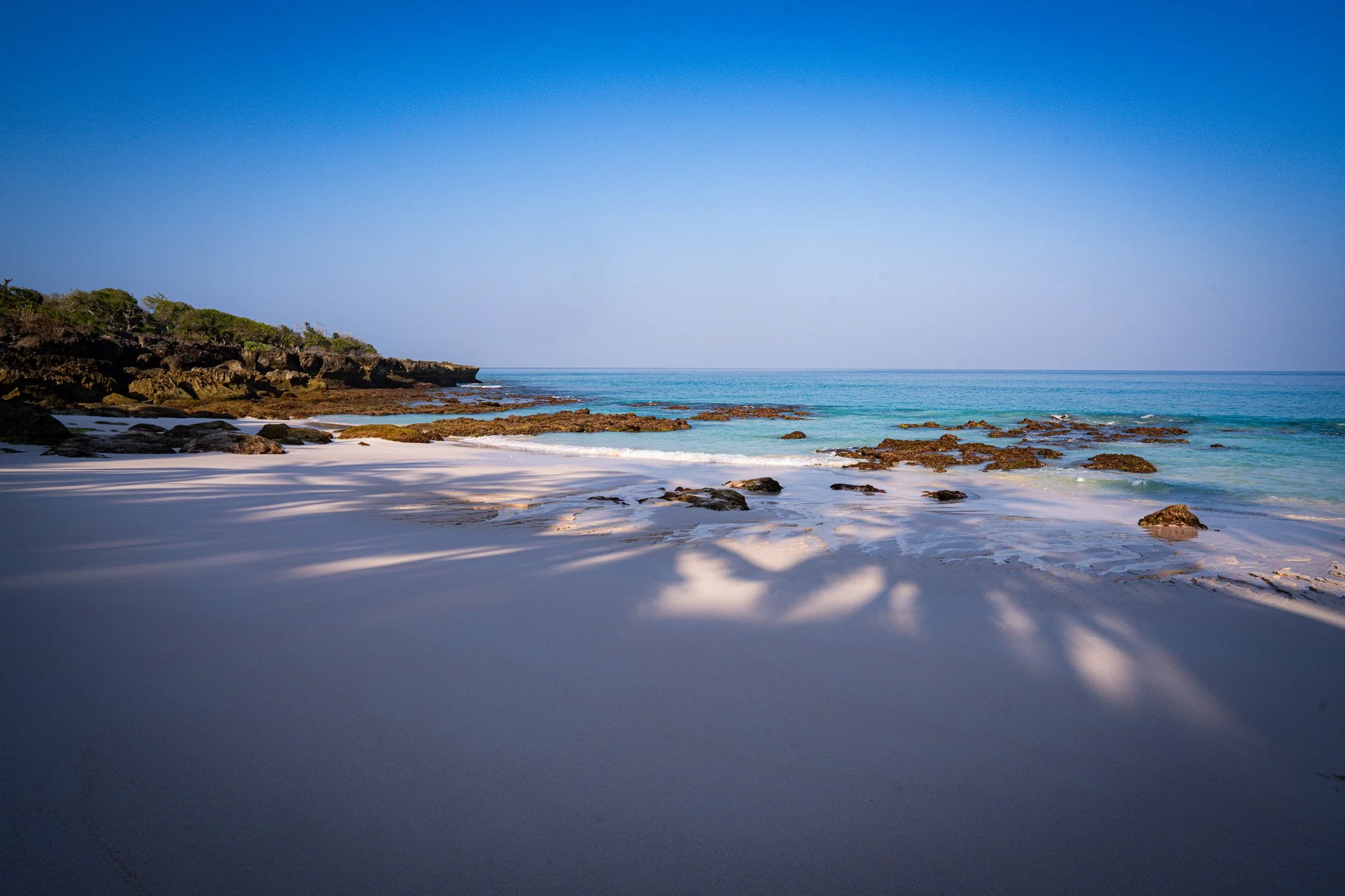
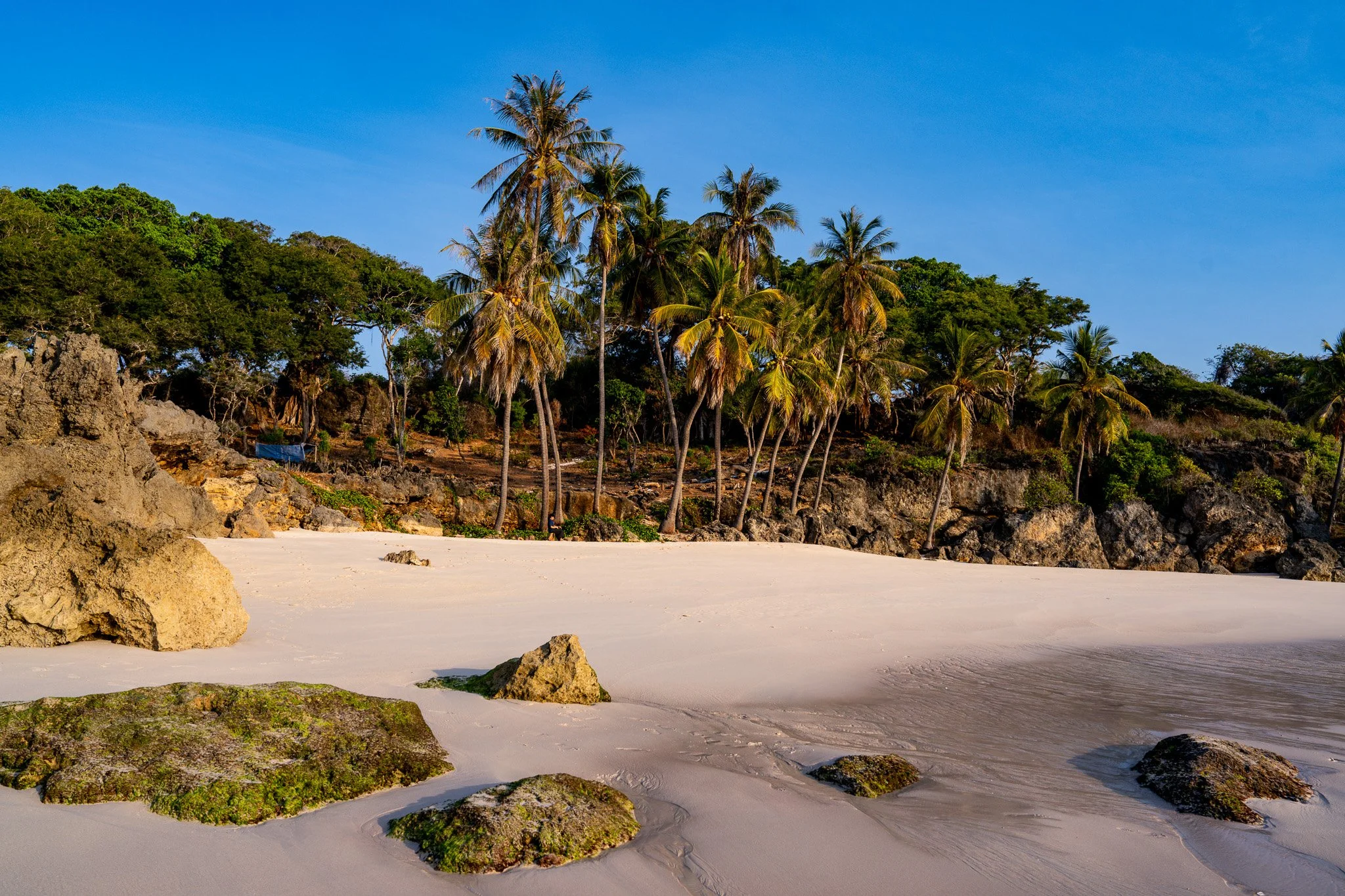
It was the kind of view I had only seen in movies and travel documentaries. Turquoise water met a stretch of pristine white sand that seemed to glitter, even though the morning was still young and the light had not fully developed.
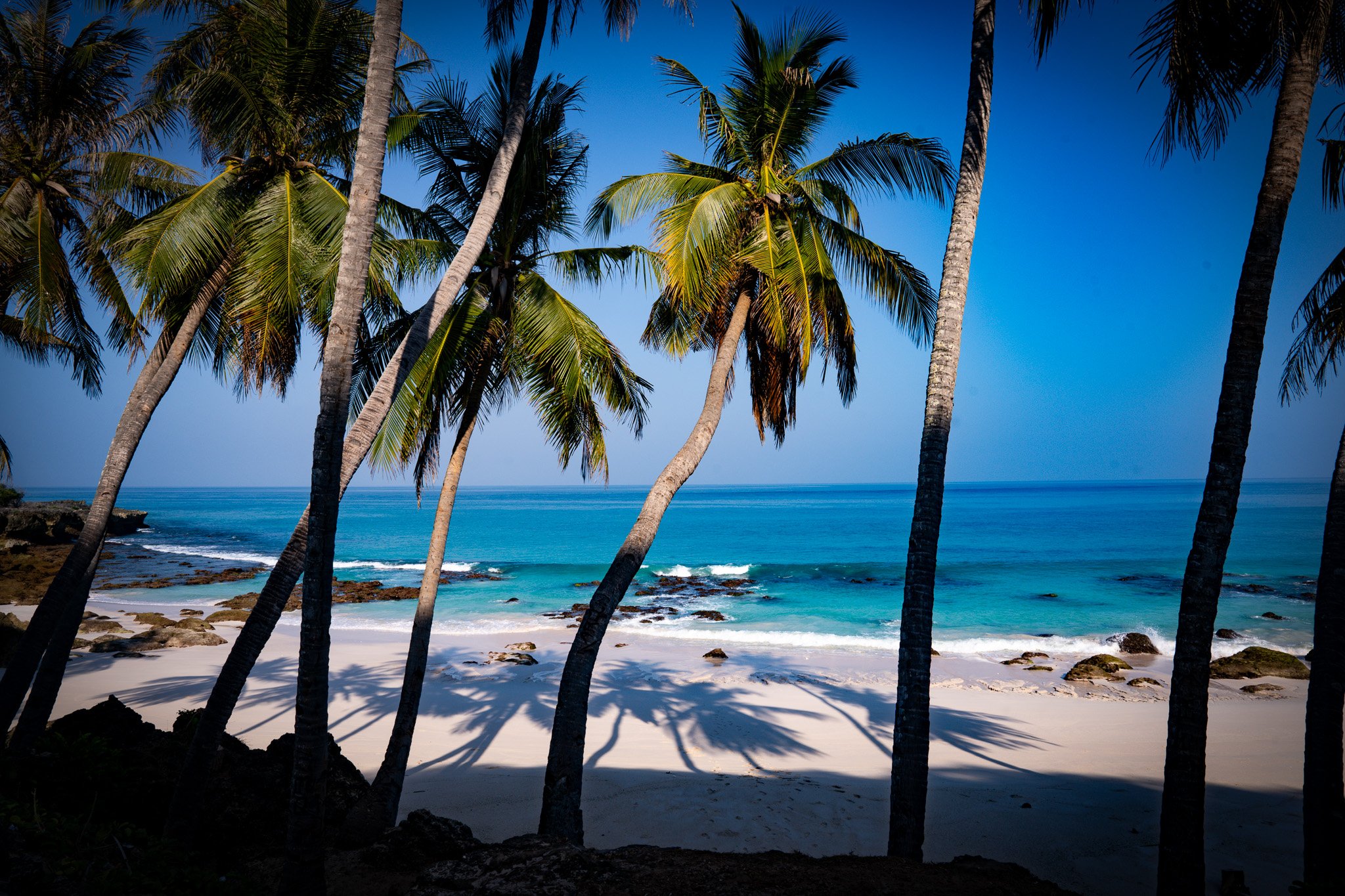
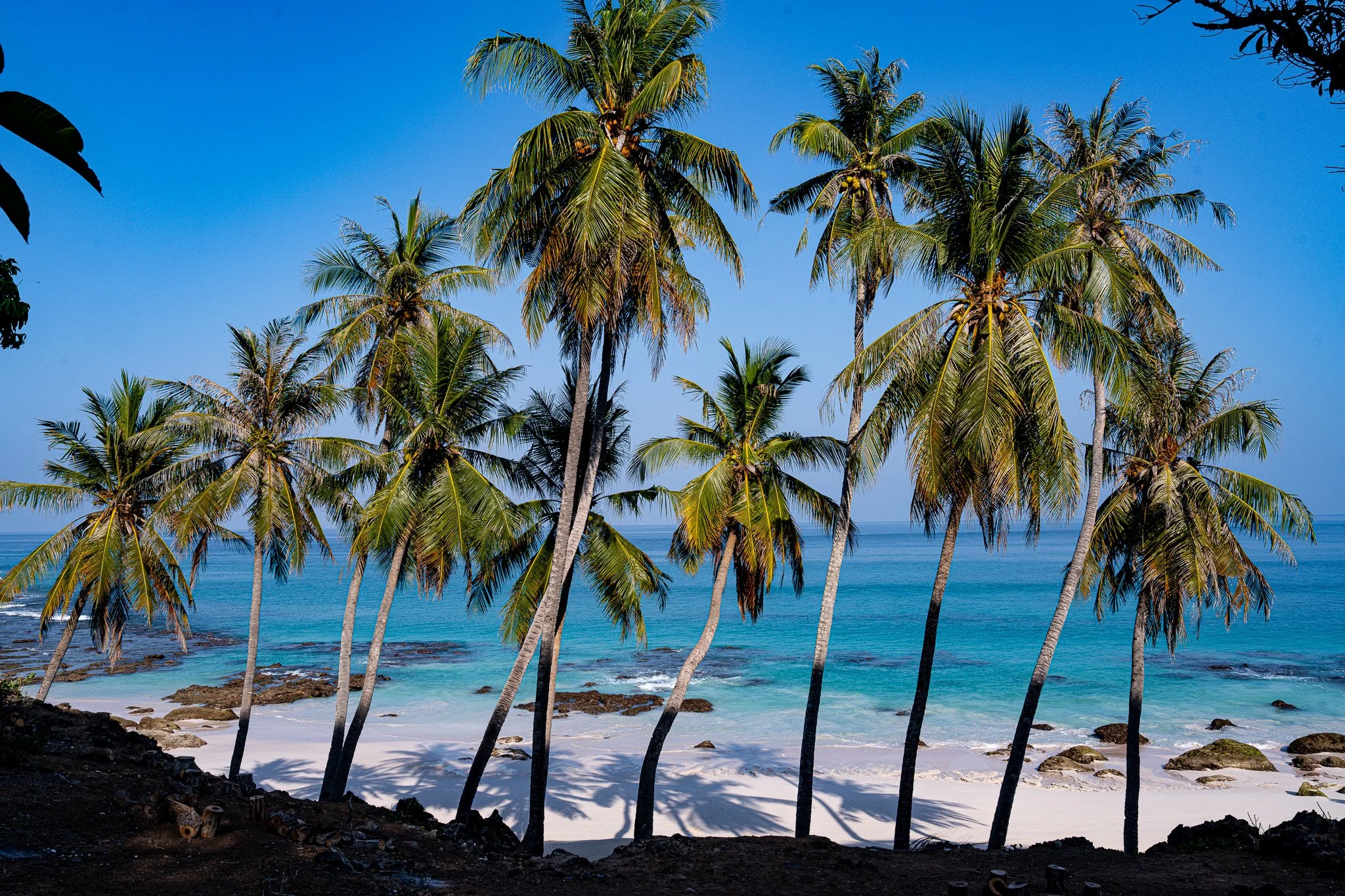
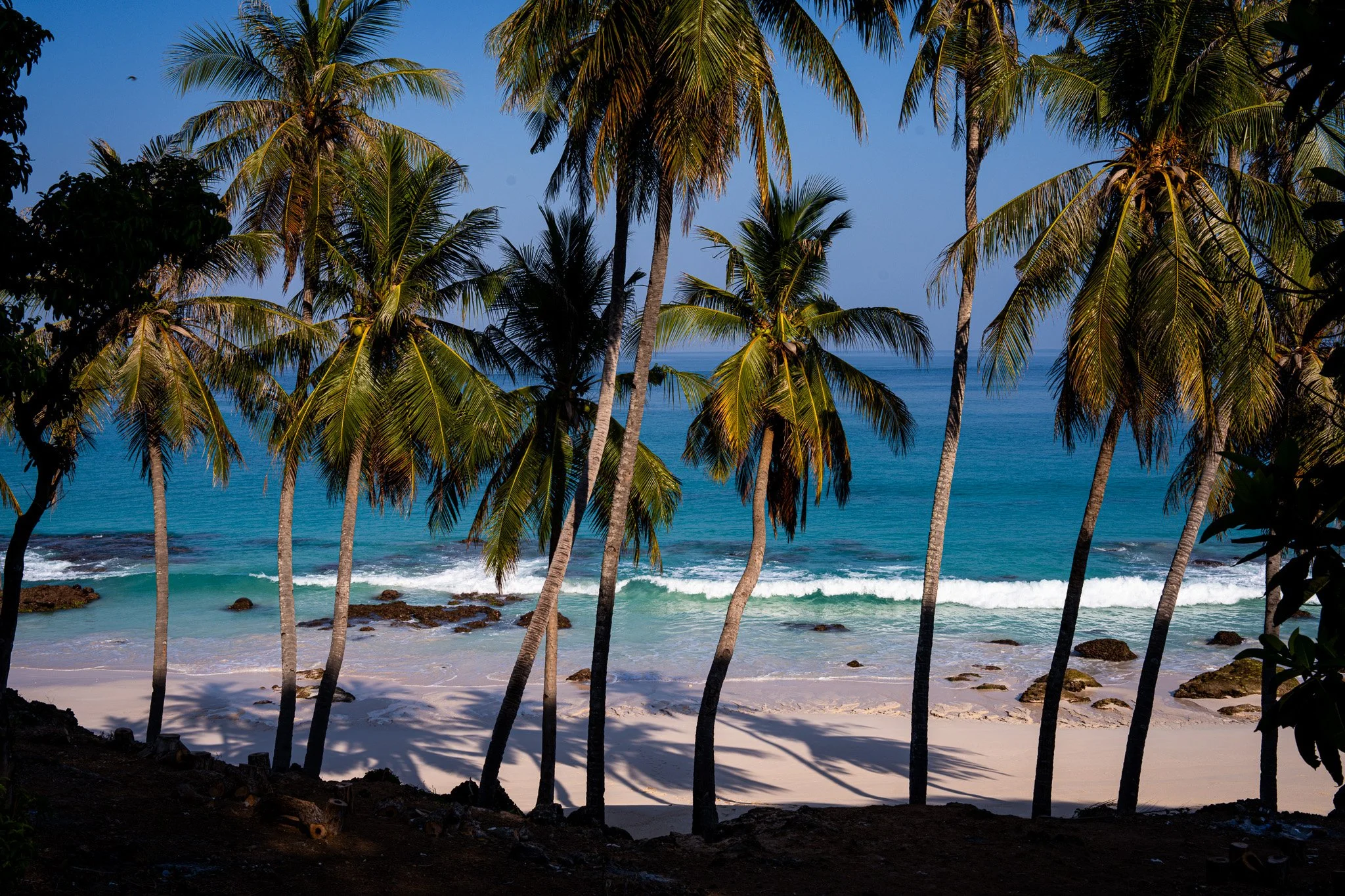
Along one section of the beach, perhaps a kilometre long, tall coconut trees stood clustered together, forming a natural line between the sand and the land behind it.
For a moment, I simply stood there looking.
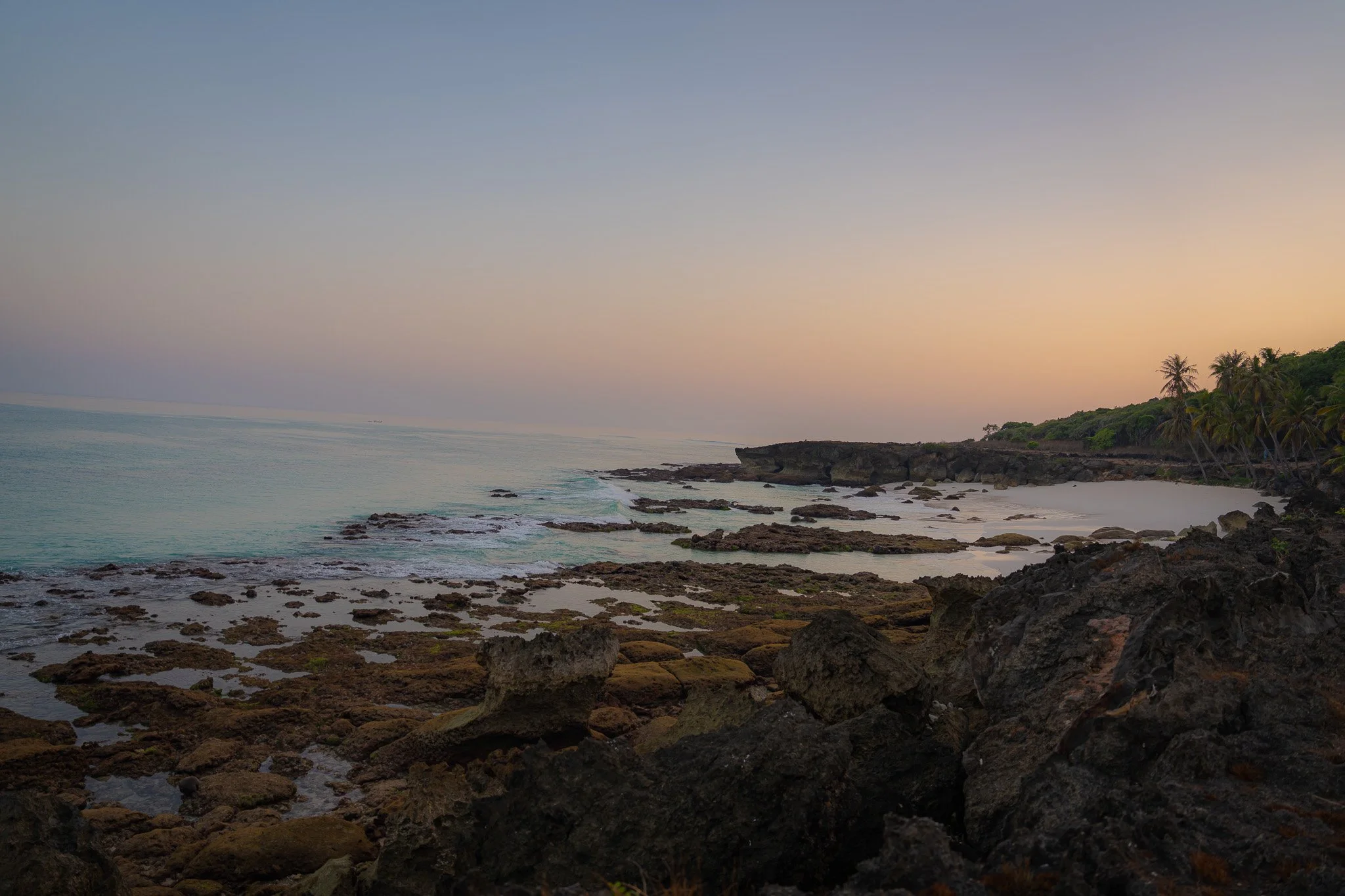
The beach reminded me of Honeymoon Cove in Tasmania, where the sand sits quietly between two jutting headlands. But here, the headlands were made of something entirely different — solid, hard, black rock, jagged and porous, their sharp surfaces contrasting dramatically with the softness of the white sand and turquoise water.
Yet both places shared something.
They felt tranquil.
Almost like a world of their own.
I wanted to get closer.
As I approached the edge, I could see that the rocks made the descent difficult. There was no obvious or safe way down to the beach from where we stood.
I felt disappointed.
This time, I wanted to set foot on the beach.
It was strange. At Bukit Liman, I had stood at the bottom of the hill, knowing I could climb it, yet I was perfectly content to leave it unconquered.
Here, I felt differently.
Perhaps it was because the beach was right there in front of me. I could see its white sand, the turquoise water and the coconut trees. I had come this far, and now I wanted to experience it, not simply look at it from above.
I looked around.
The open rocks clearly weren't the way down.
Then I noticed the dense forest behind us.
Perhaps there was another way.
Maybe the path to the beach was not across the rocks at all, but through the trees.
And suddenly, I had another little adventure to find it.
I went through the forest and, surprisingly, found a path.
I followed it, hoping that it would lead me to the beach.
It did.
I emerged on the back side of the beach, directly behind the coconut trees. The land where I stood was steep, but still safe enough to walk down. It was covered with fine red soil, loose gravel and sand.
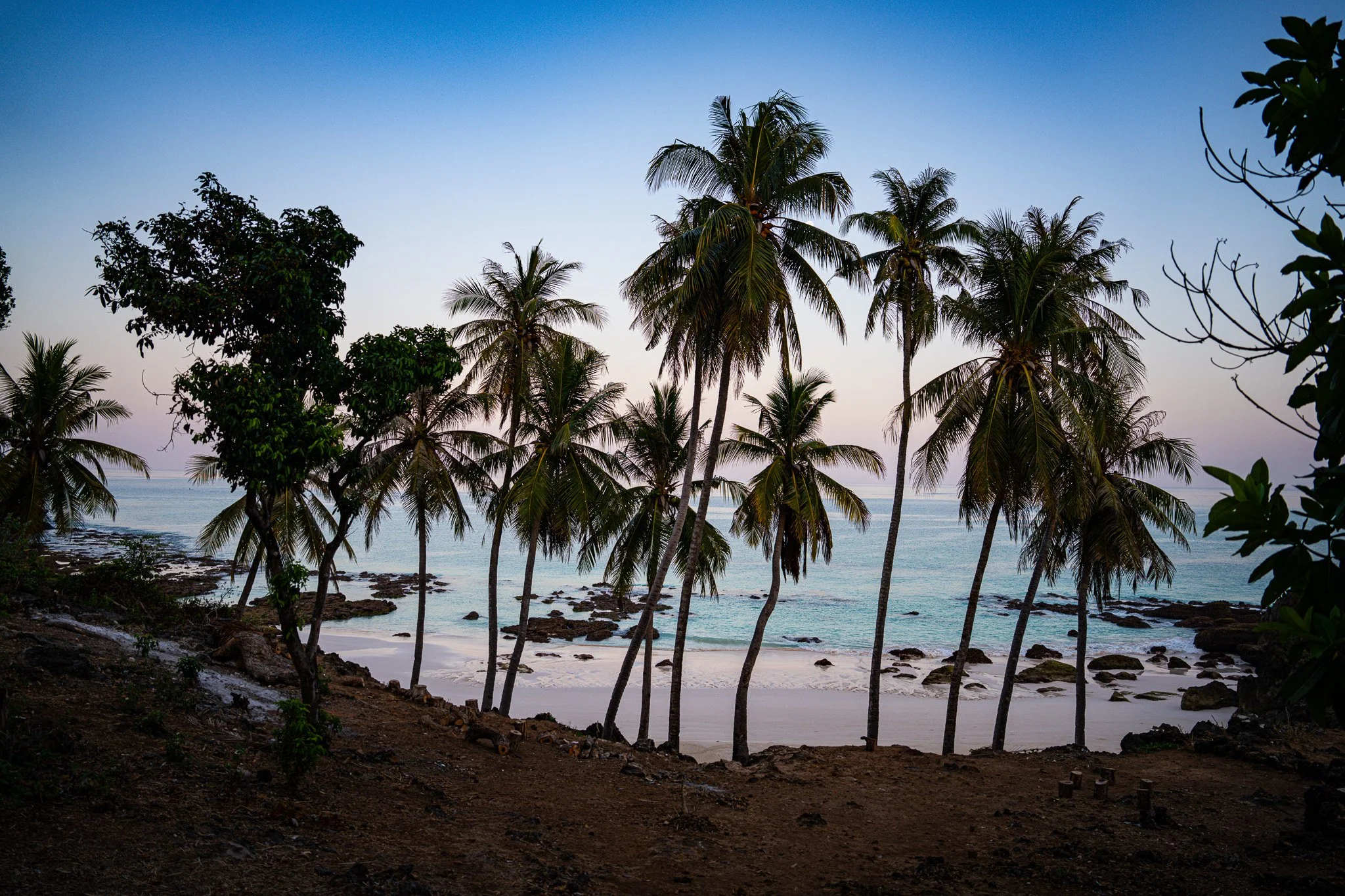
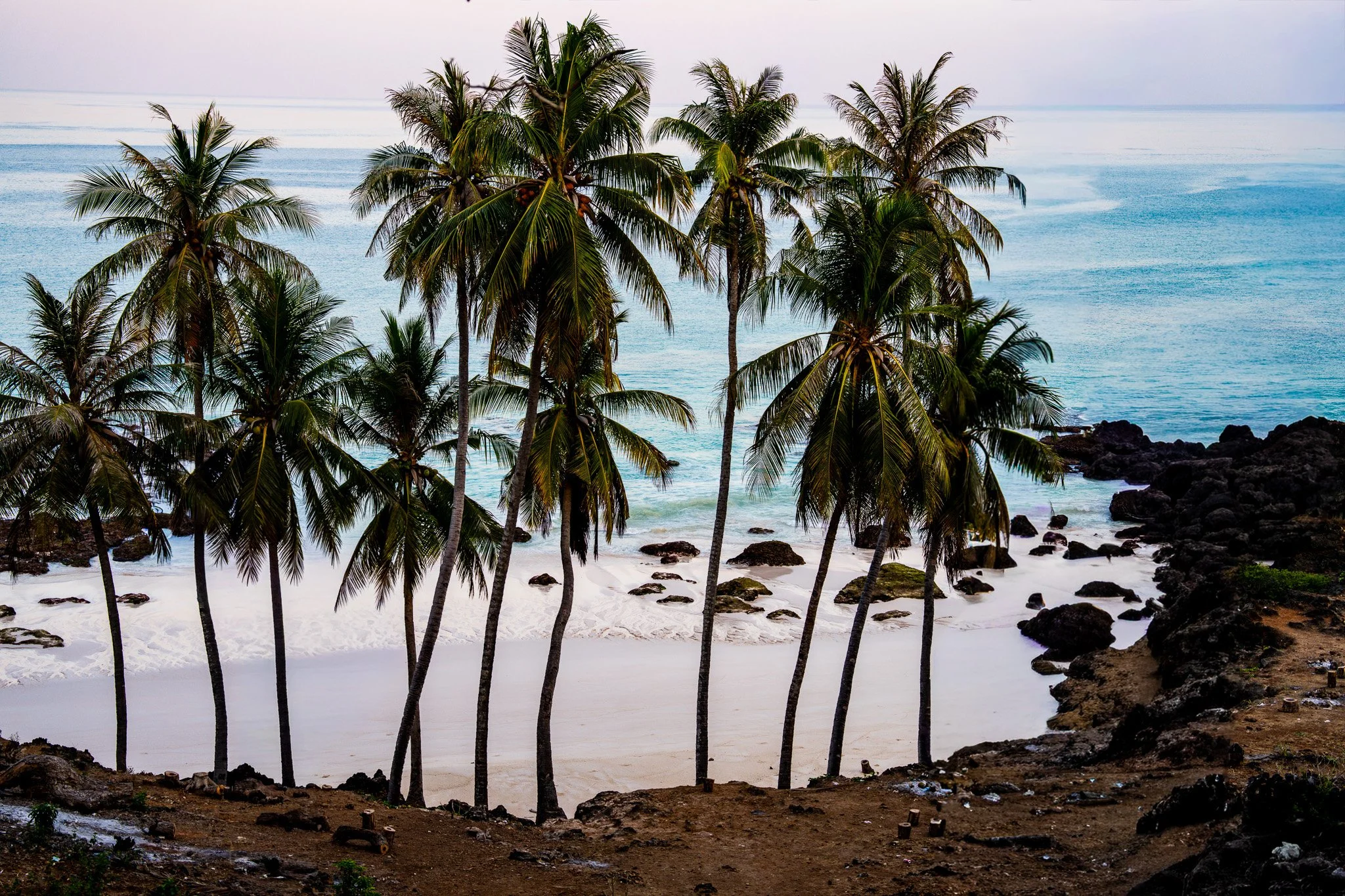
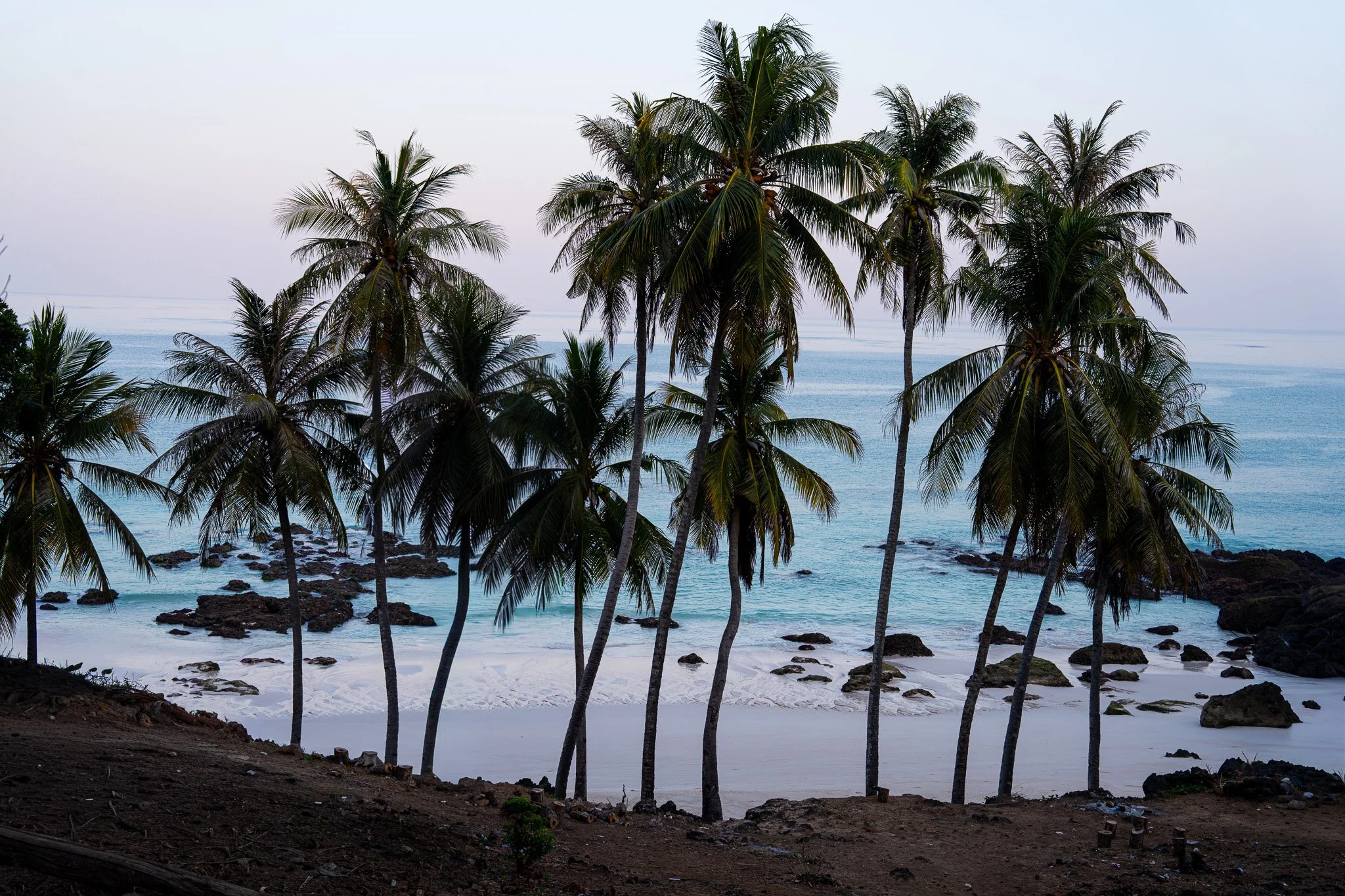
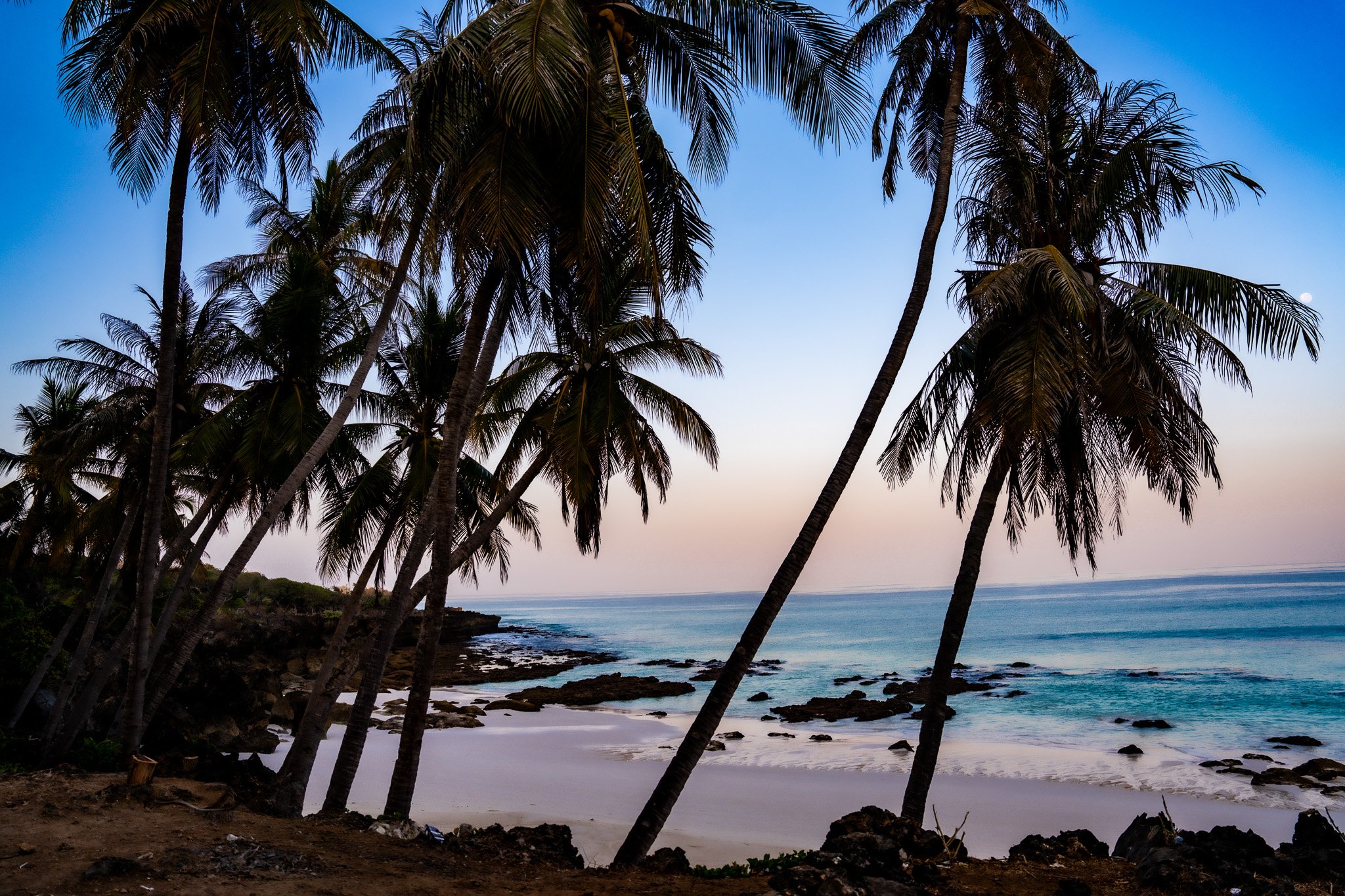
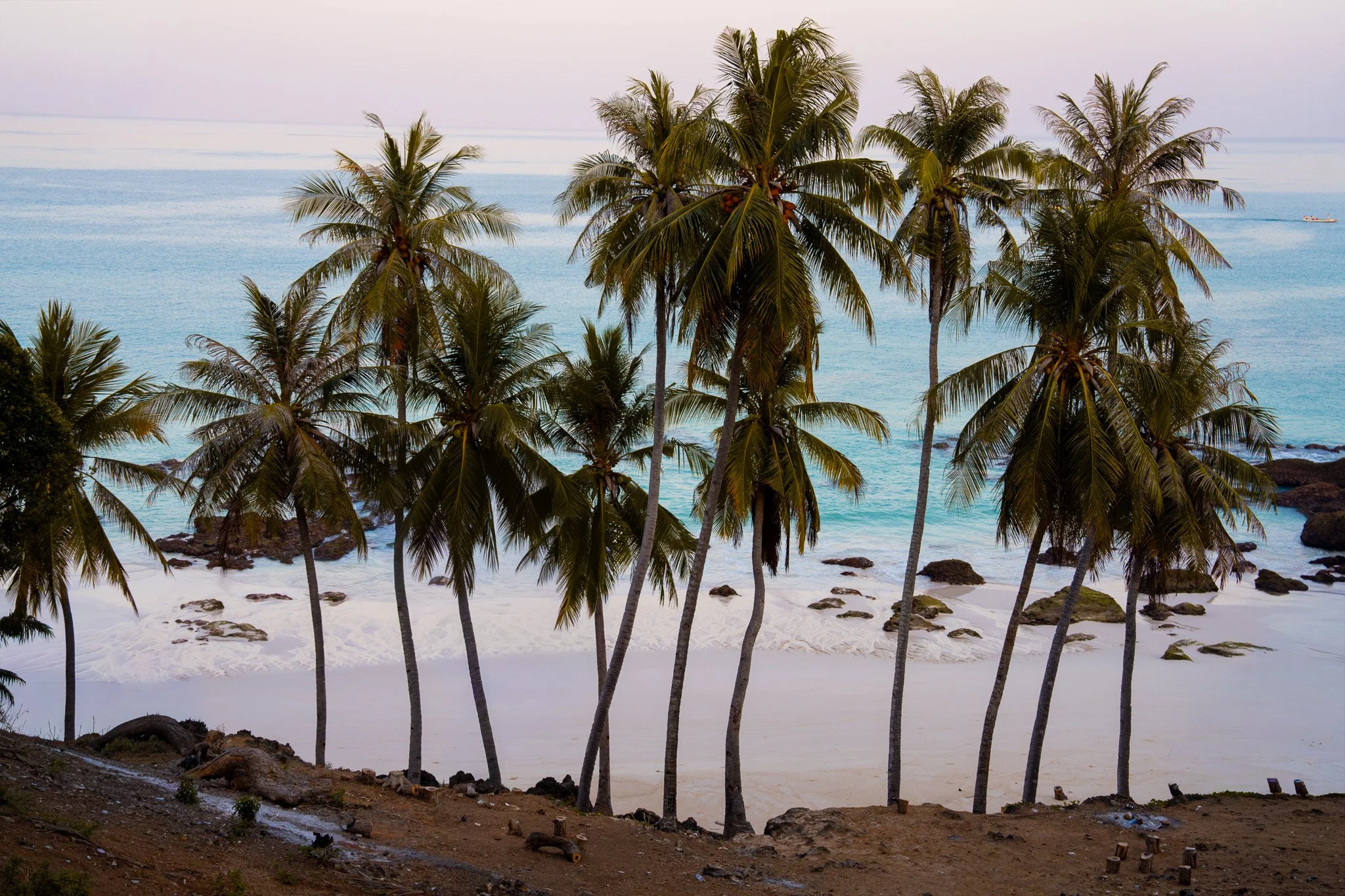
I was tempted to go down to the beach.
But the sight of the untouched sand stopped me.
For now, I did not want to disturb it with my footprints.
Instead, I explored the other side of the beach.
The same rock formations greeted me. I walked cautiously, knowing that one misstep or stumble could be painful. These rocks were sharp enough to break the skin if I fell against them.
The rocks were the same, but the vegetation around them was slightly different.
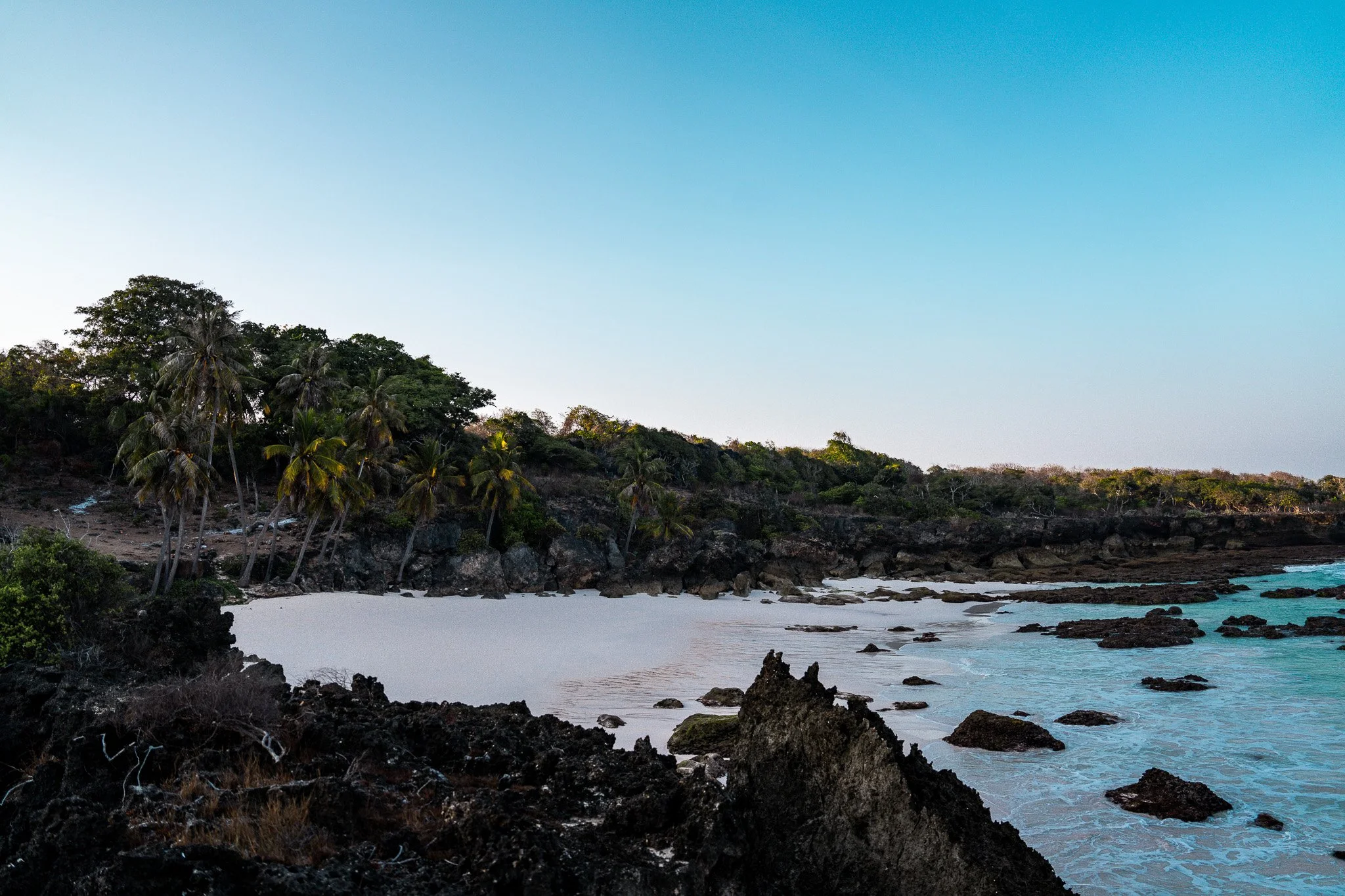
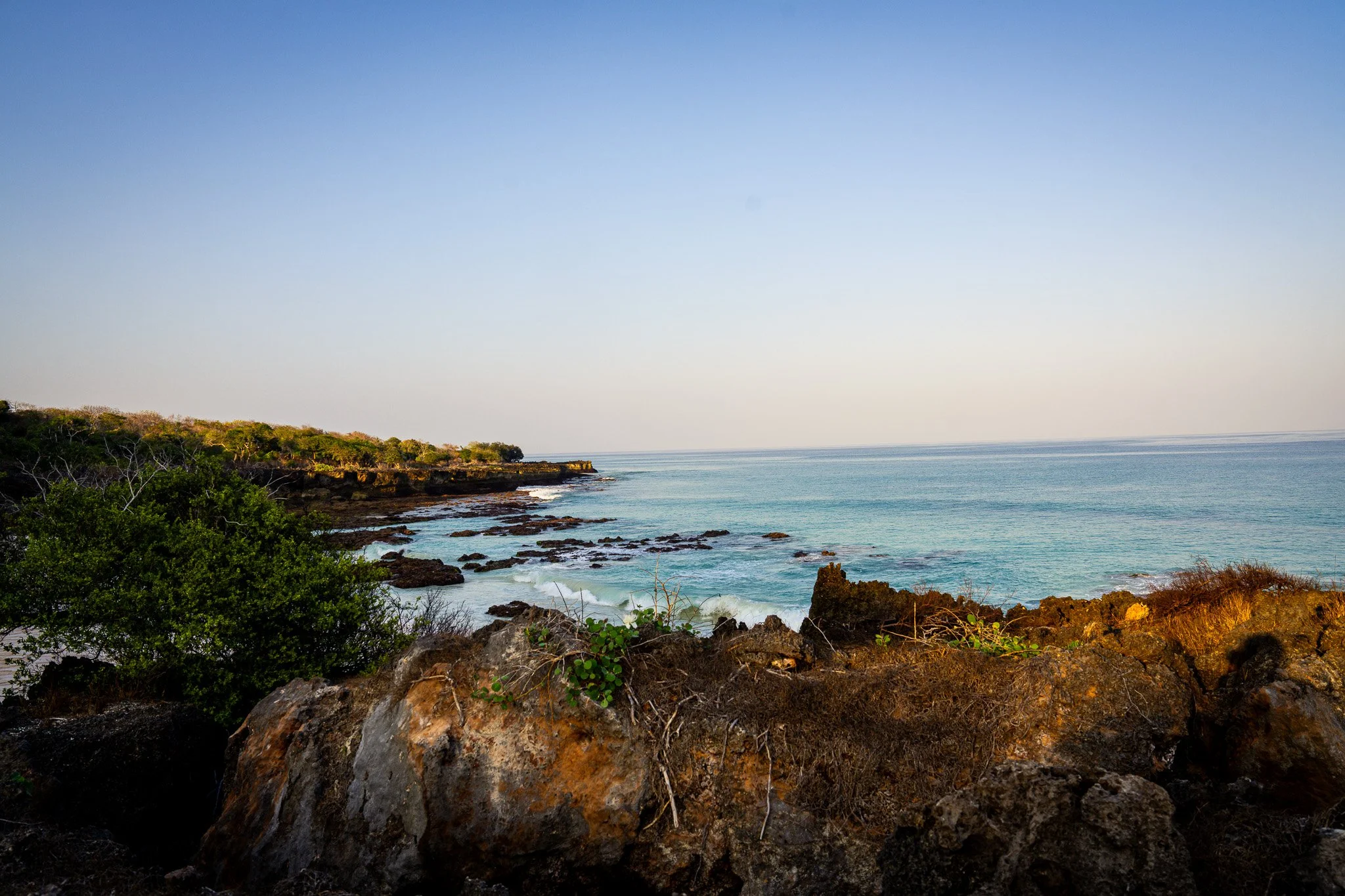
Perhaps now that I had more time, I was also slowing down enough to notice things I might otherwise have missed.
Within the cavities of the rocks, I spotted a few crabs trapped inside. Some scurried away to hide. Others had nowhere to go and simply remained still.
Survival instinct.
The sun was now above the mountain behind me, and its light scattered across the black rocks, illuminating their uneven surfaces and the sparse grass growing between them.
Out at sea, the white waves began to glow as sunlight danced across their surface.
Then I looked back towards the coconut trees.
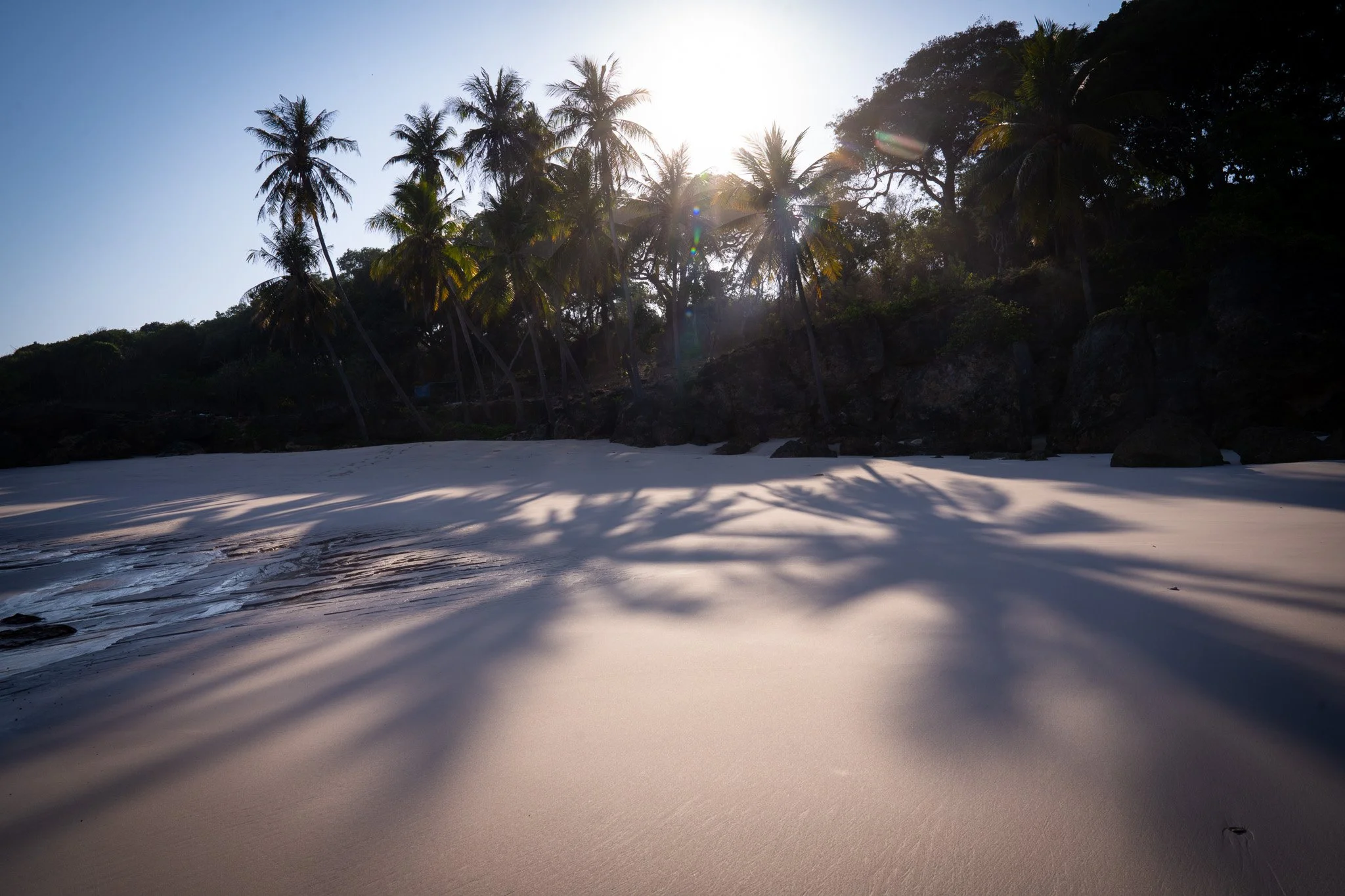
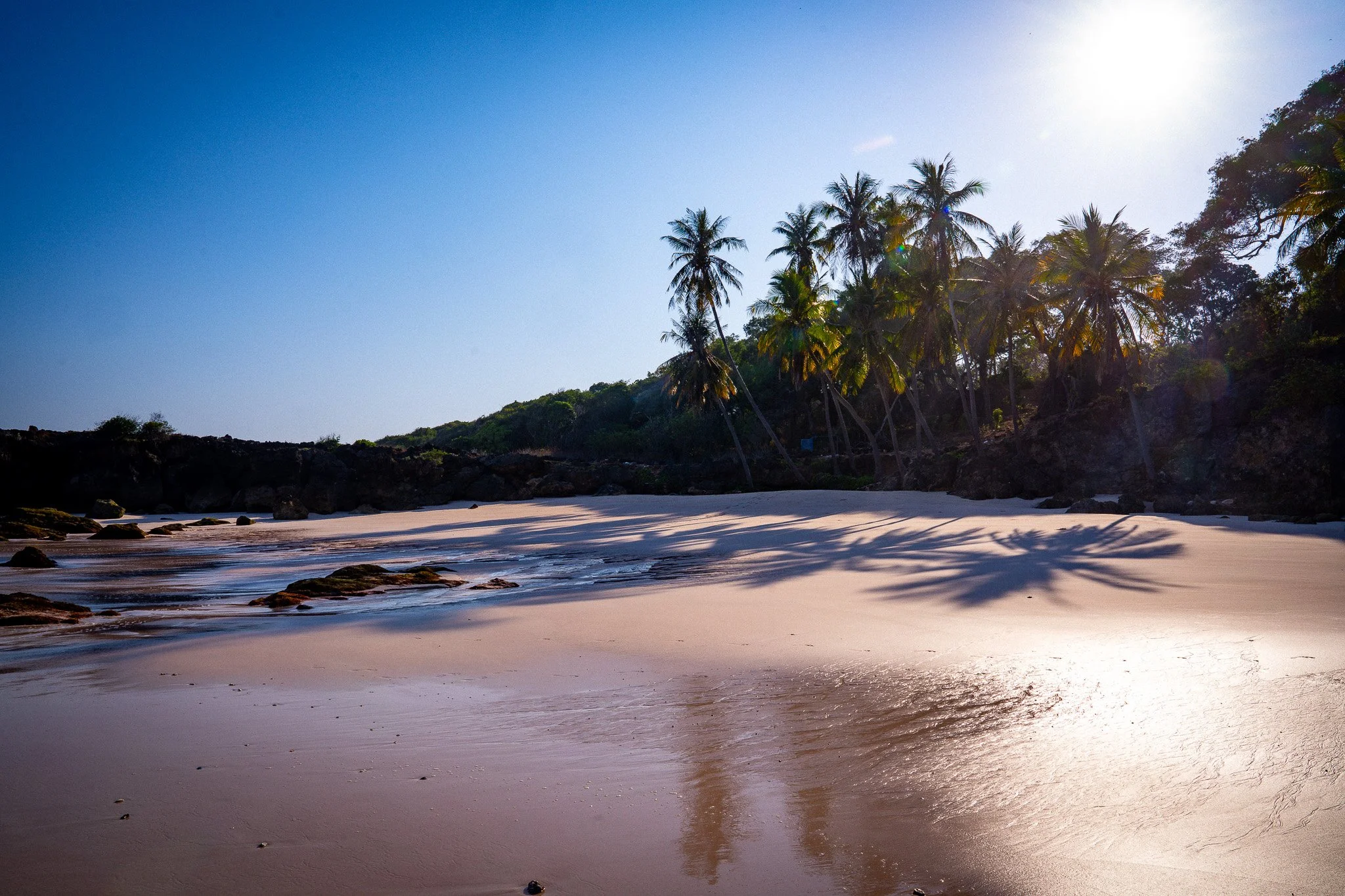
I realised that once the sun rose high enough behind them, the trees would cast their shadows across the beach.
The scene suddenly came together in my mind.
The coconut trees.
The untouched white sand.
The turquoise sea.
And the shadows stretching across the beach.
A perfect frame, taken from behind the trees.
I would wait for it.
I did not have to wait long before the sun began to cast its magic.
I tried to capture each stage of the shadows as they slowly stretched across the beach. Patiently, I moved behind the coconut trees, looking for the angle that gave me the best combination of the shadows and the trees themselves.
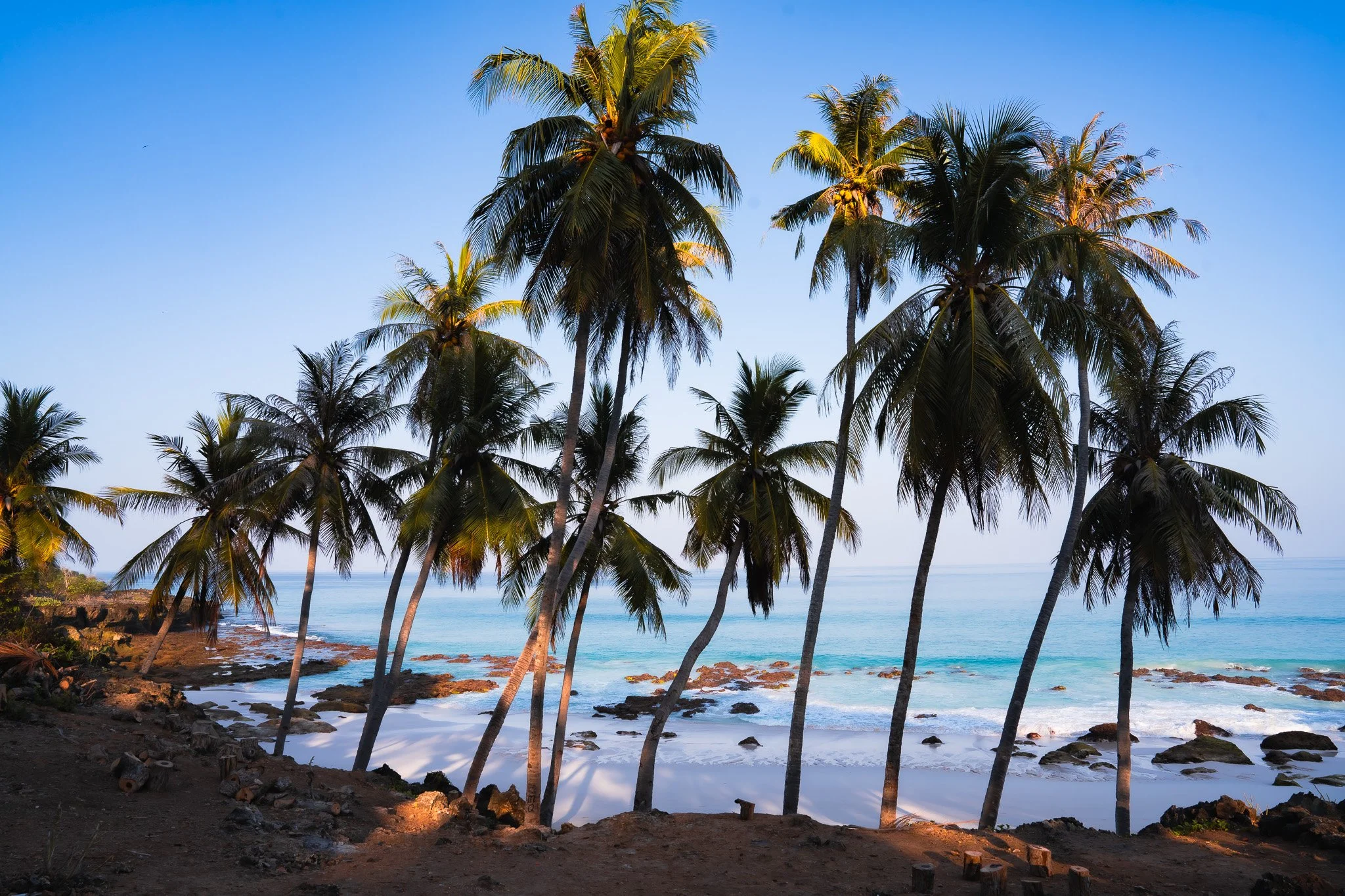
The sea was perfect from every angle.
But it was no longer the focus.
This time, it was the shadows and the coconut trees that I wanted to capture.
I lost track of time, moving from one position to another, watching how the changing light transformed the scene.
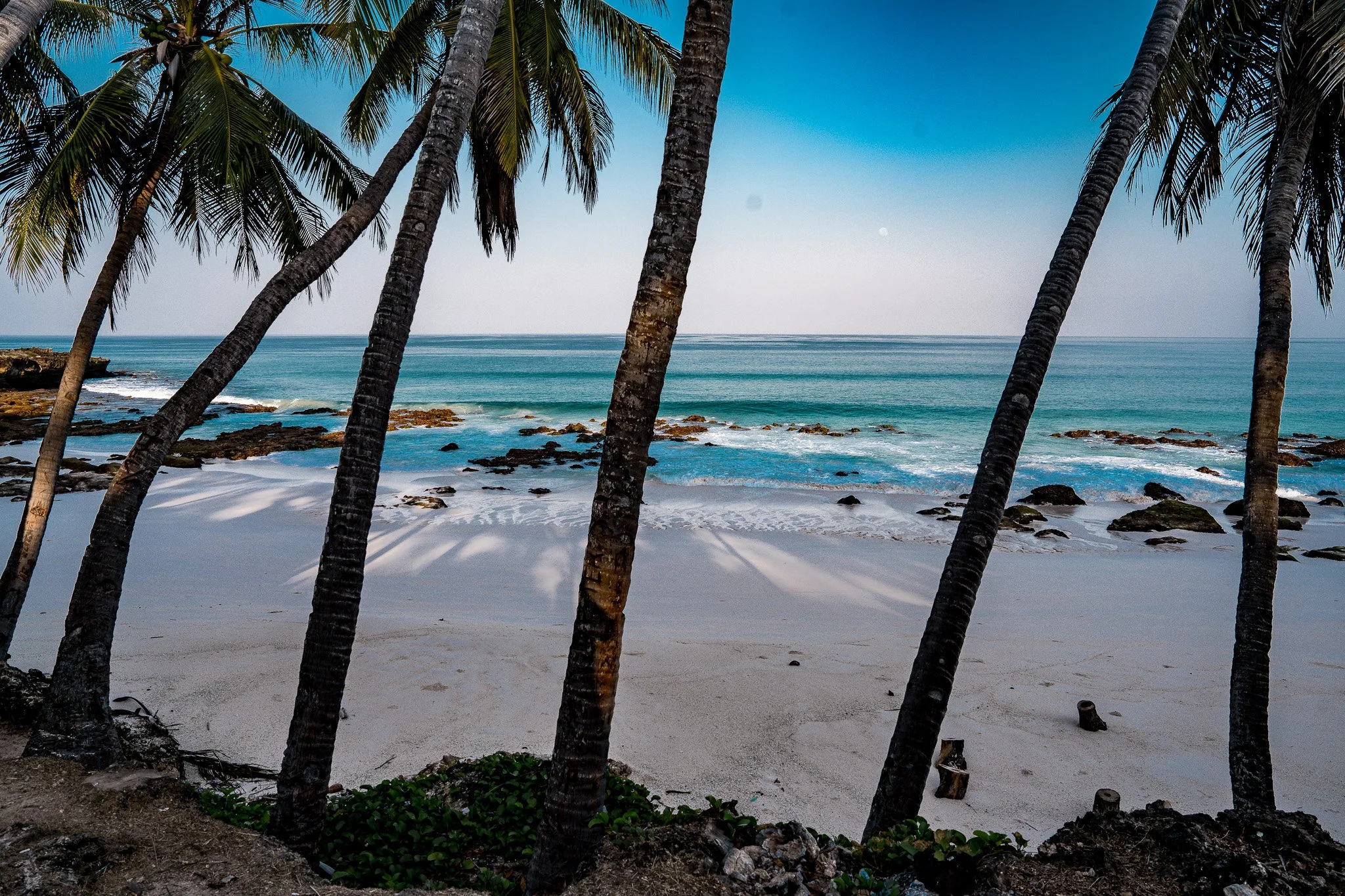
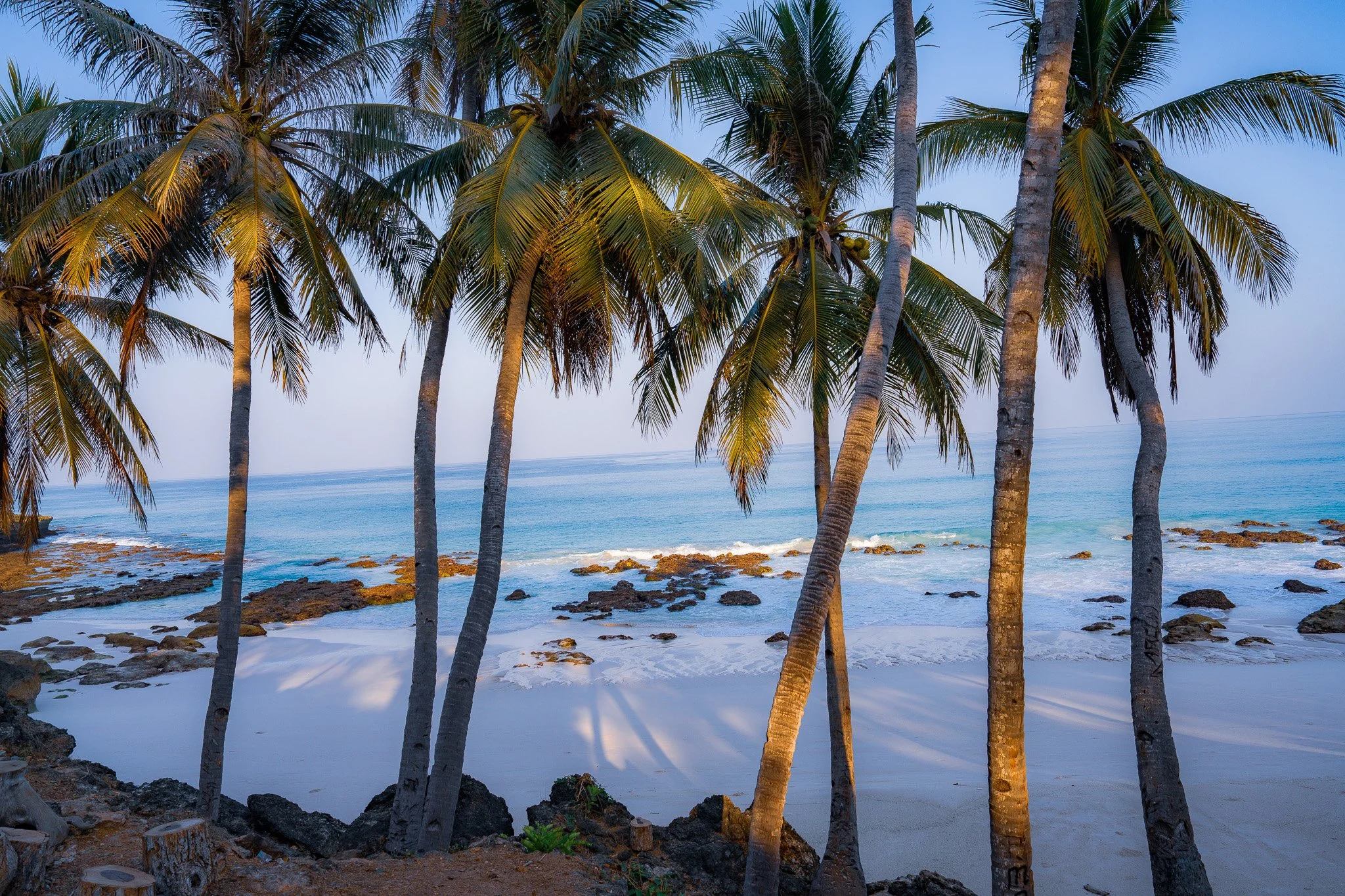
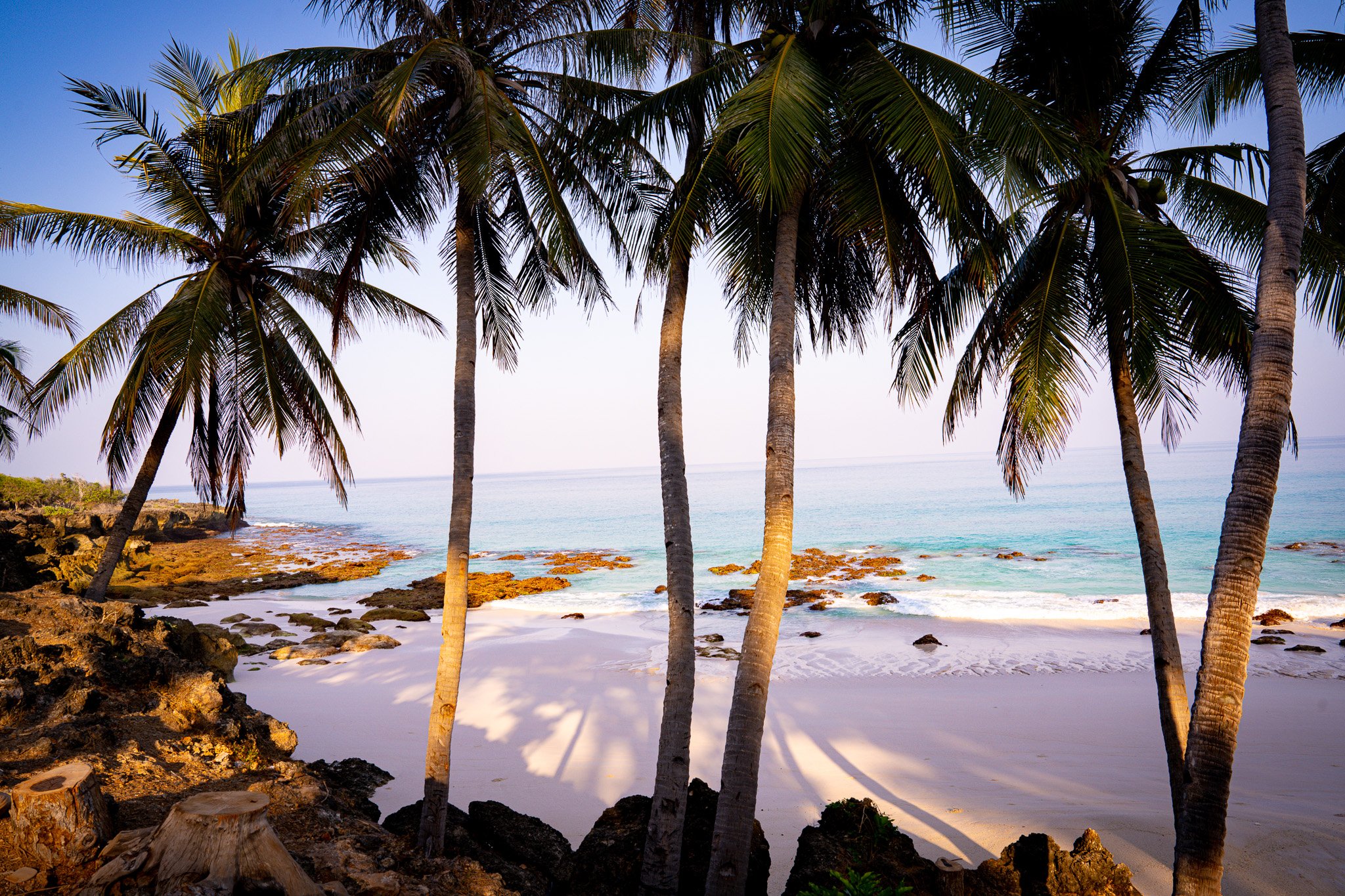
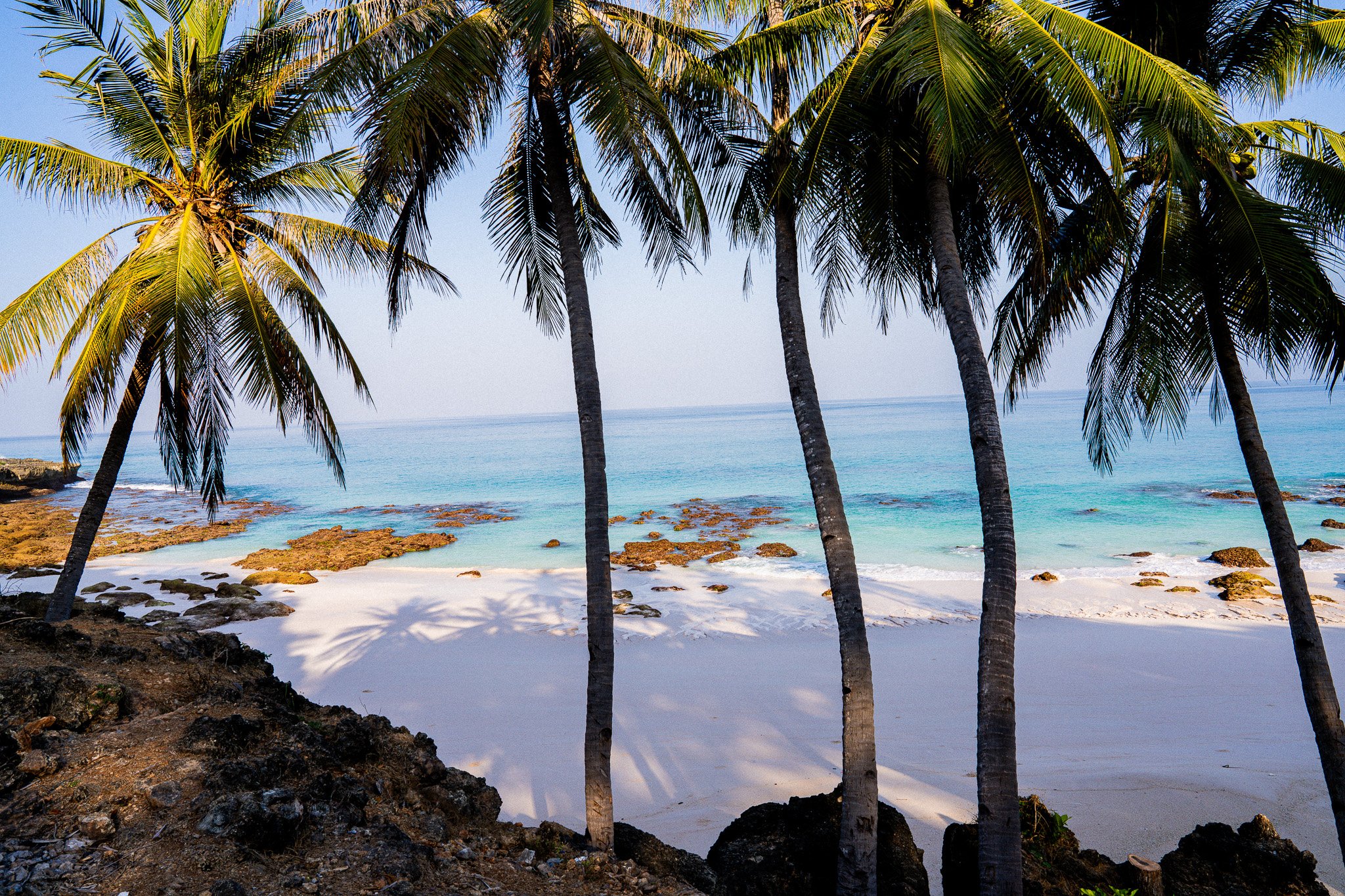
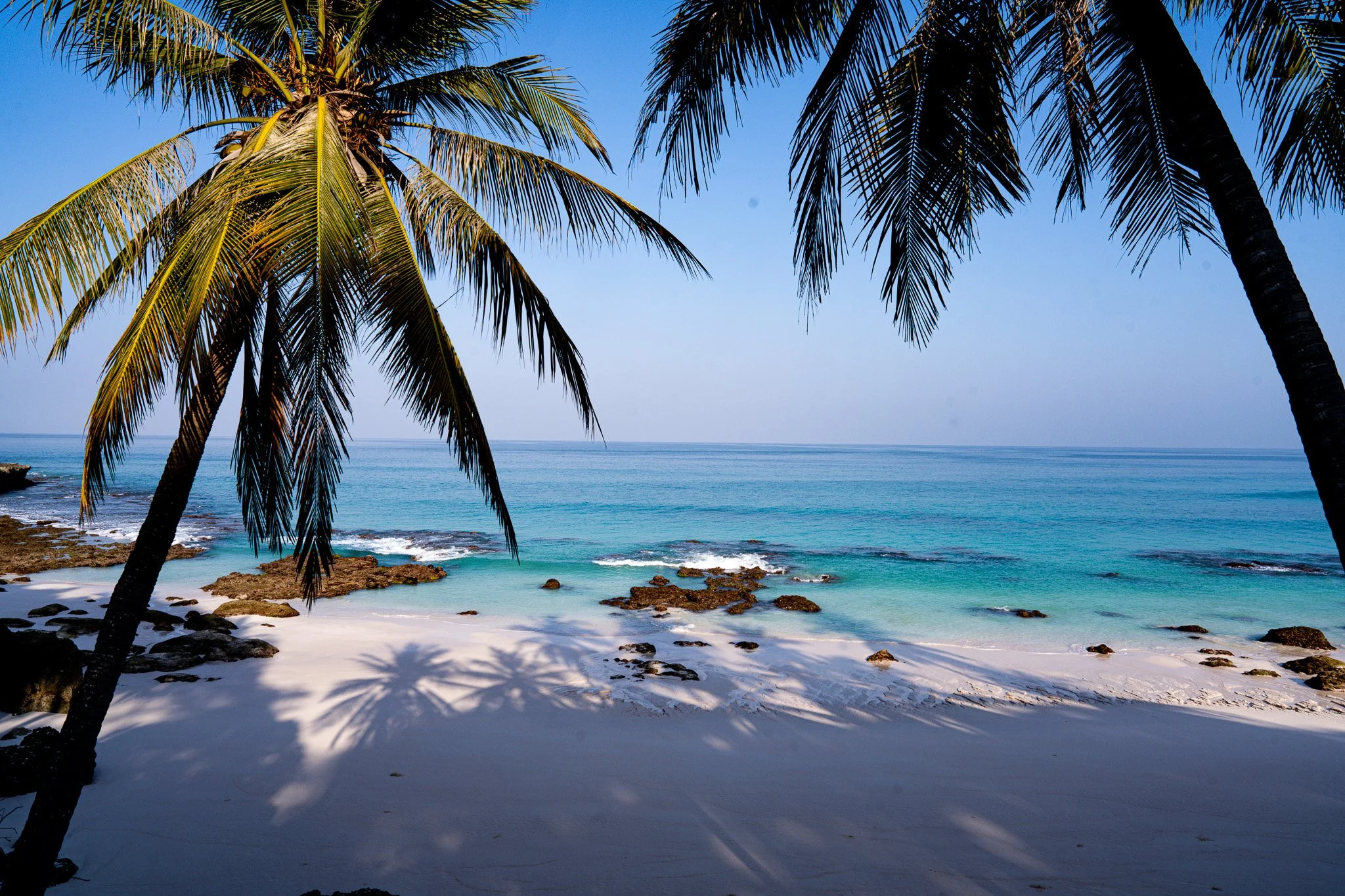
I finally stopped when a fully formed shadow of a coconut tree appeared across the beach.
That was the frame I had been waiting for.
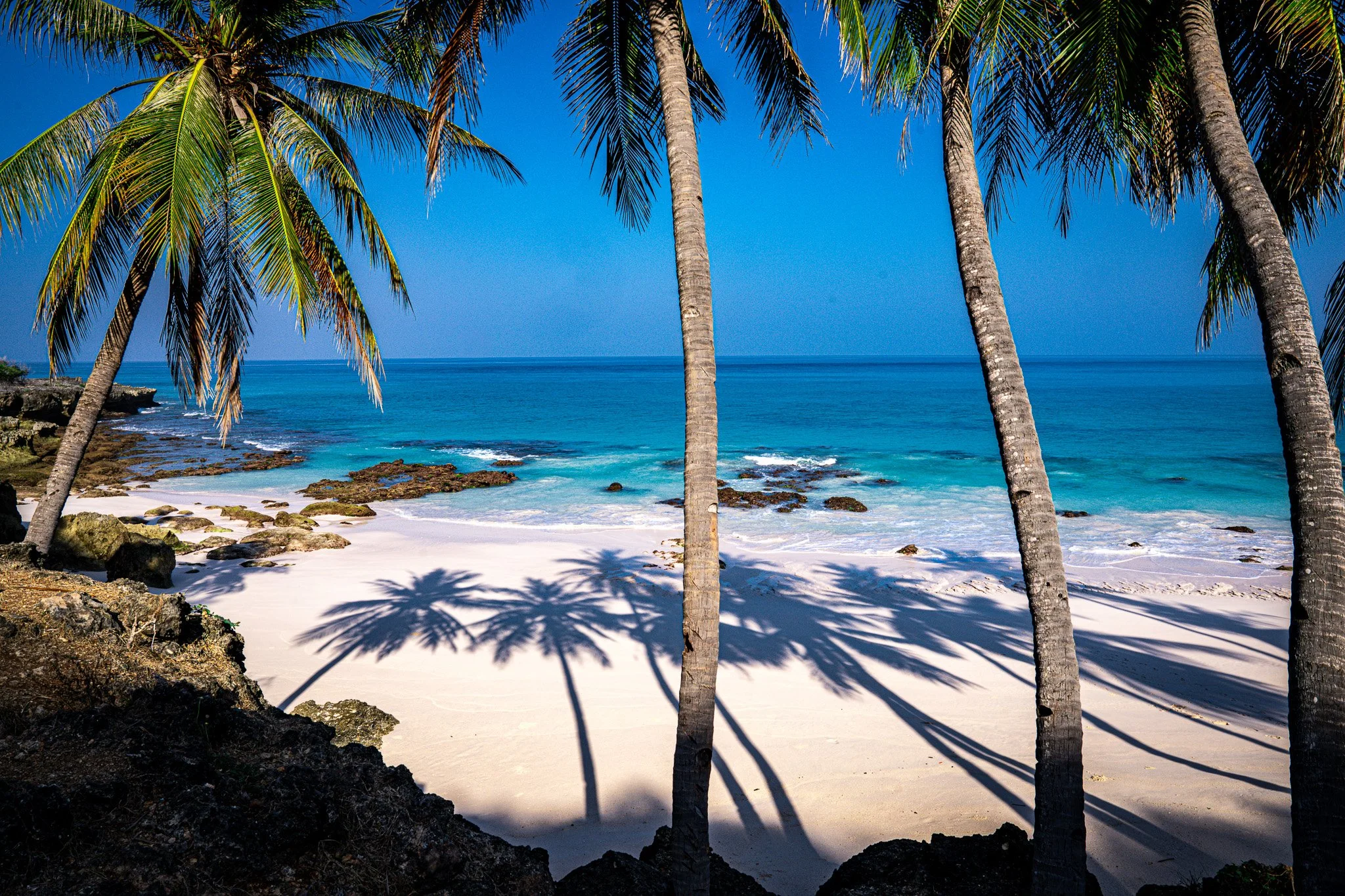
With the moment safely captured in my camera, it was finally time to step onto the sand.
To feel it beneath my feet.
To feel the warmth of the clear water.
Even then, I was still reluctant to spoil the untouched sand, so I deliberately walked along the edges, staying as close to the water as I could.
But there was no avoiding it.
With every step, my feet sank into the soft sand, leaving deep footprints behind me.
When I finally reached the water, the first wave gently lapped over my feet.
It was glorious.
Some experiences are difficult to describe. They are meant to be felt rather than explained, and this was one of them.
At that moment, I felt free.
Truly free.
It was a feeling of being one with nature, as if this was where we were meant to belong.
For a moment, there was nothing else.
Just me, the sand, the water and the world around me.
I knew I would treasure that feeling.
And almost immediately, I found myself thinking about coming back here for sunset with my partner.
I did not want her to miss this paradise.
The sun was gentler when we returned later that afternoon, and the water had risen slightly compared with the morning.
This time, we took the less-travelled road.
It led us straight to the top of the hill, looking directly down towards the beach. It was slightly higher than the point where I had emerged from the forest that morning, and the walk from where we parked the car was much shorter.
We were excited.
As soon as we reached the soft sand, we ran straight towards the water.
There was none of the caution I had felt that morning, when I had deliberately tried not to disturb the untouched sand.
This time, we were not alone either.
A few other visitors were there, but they left shortly after taking some photographs. I guessed they had other destinations to get to.
We had nowhere else to be.
We were content to stay.
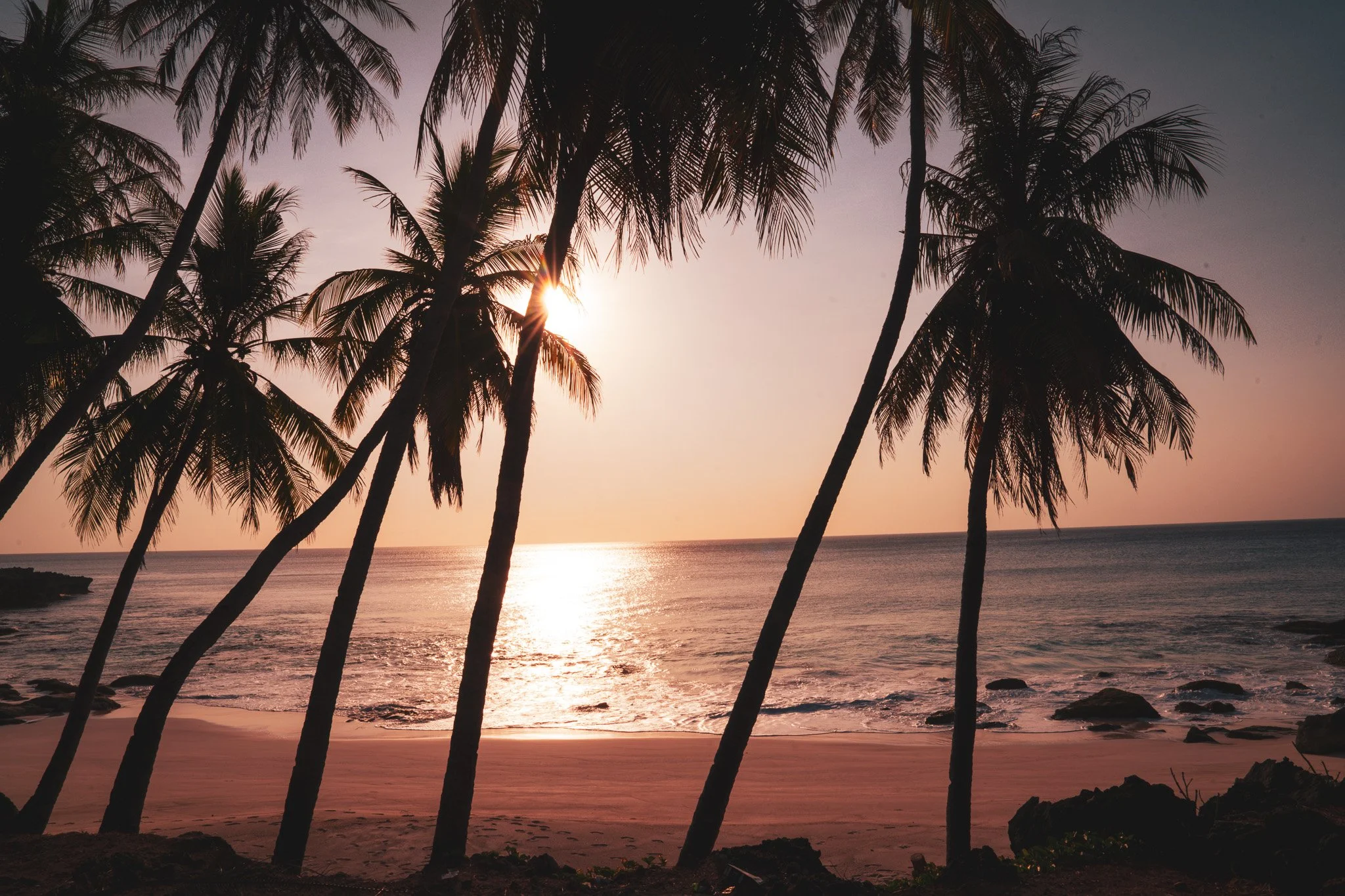
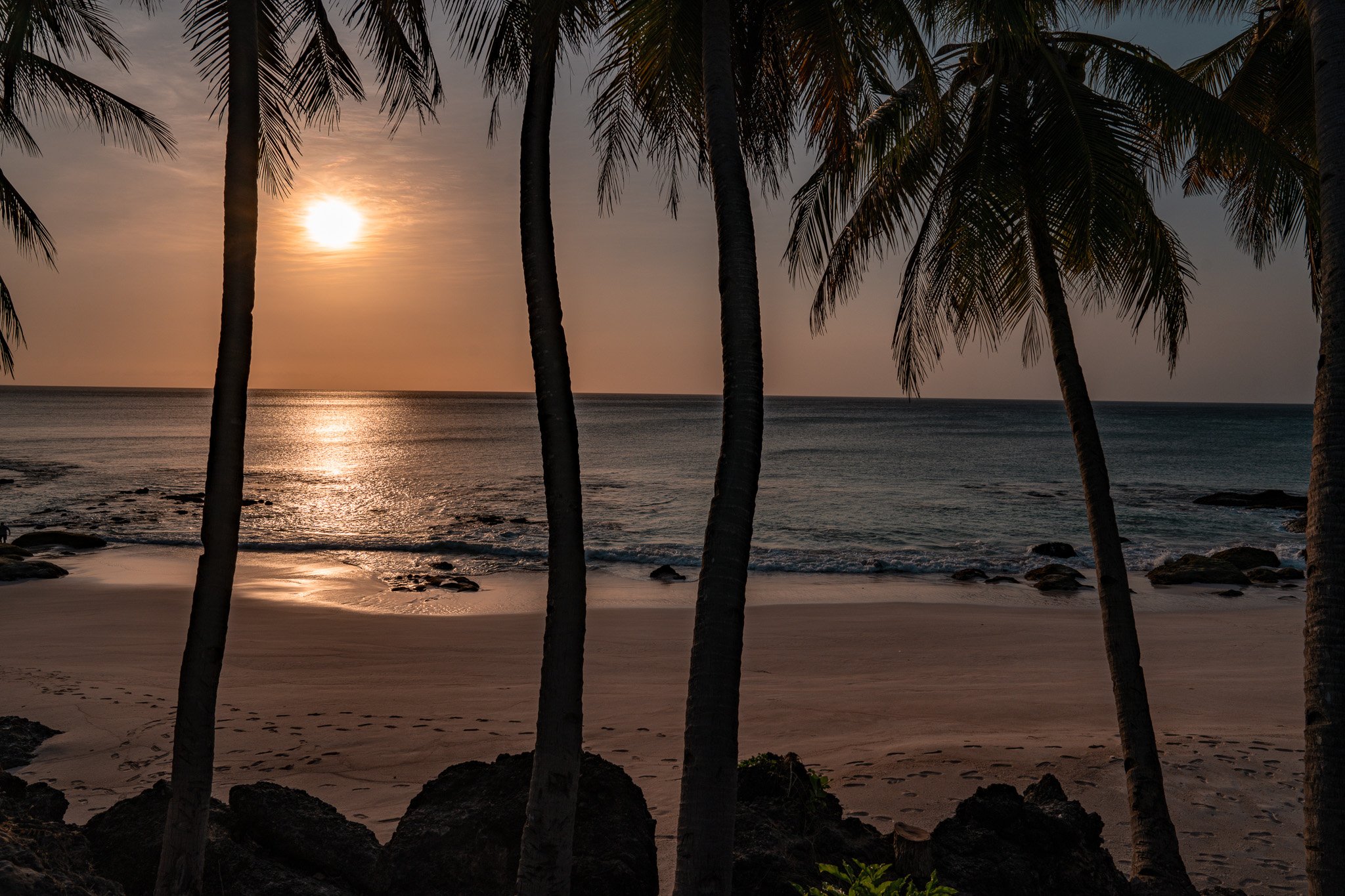
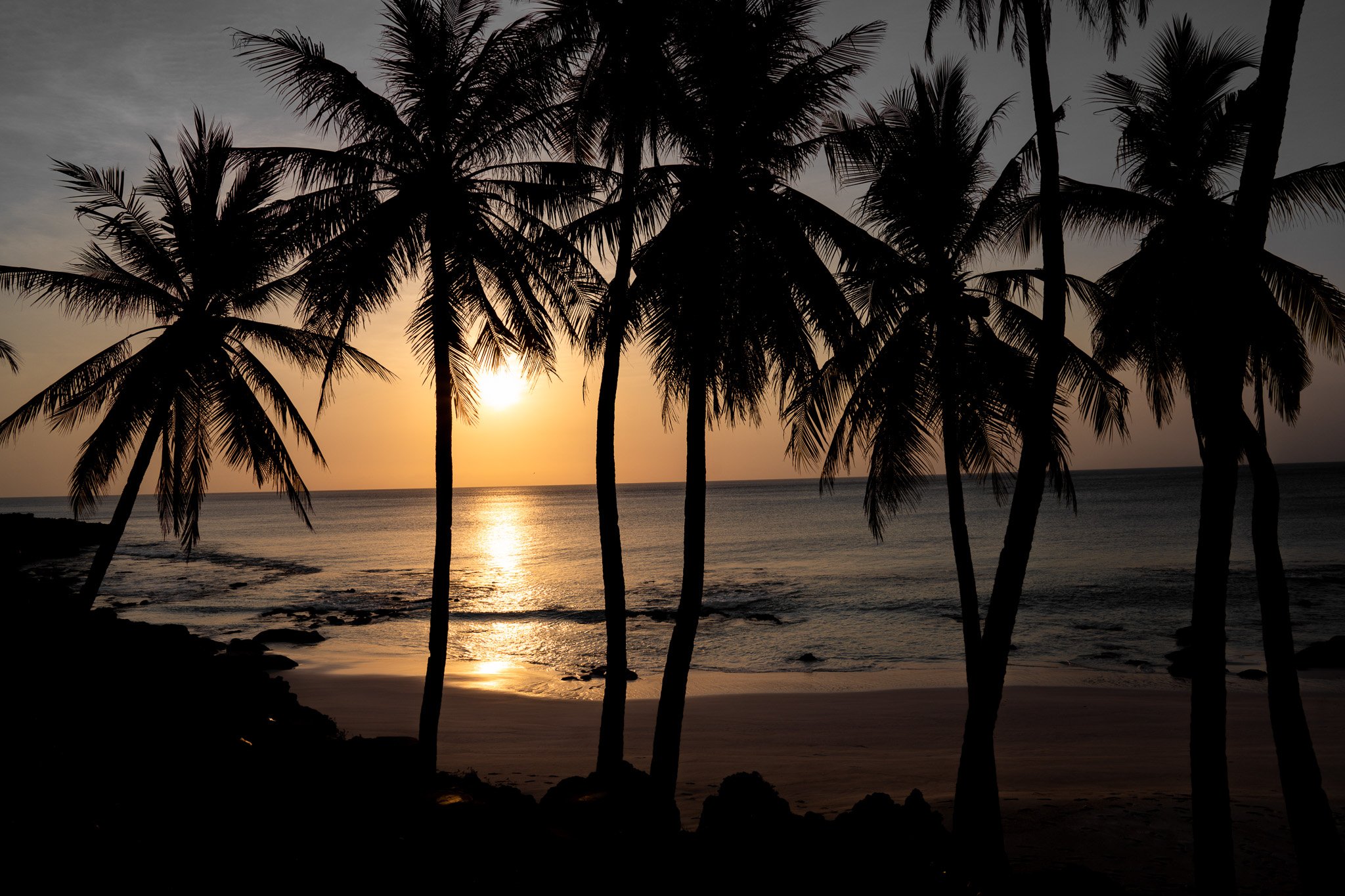
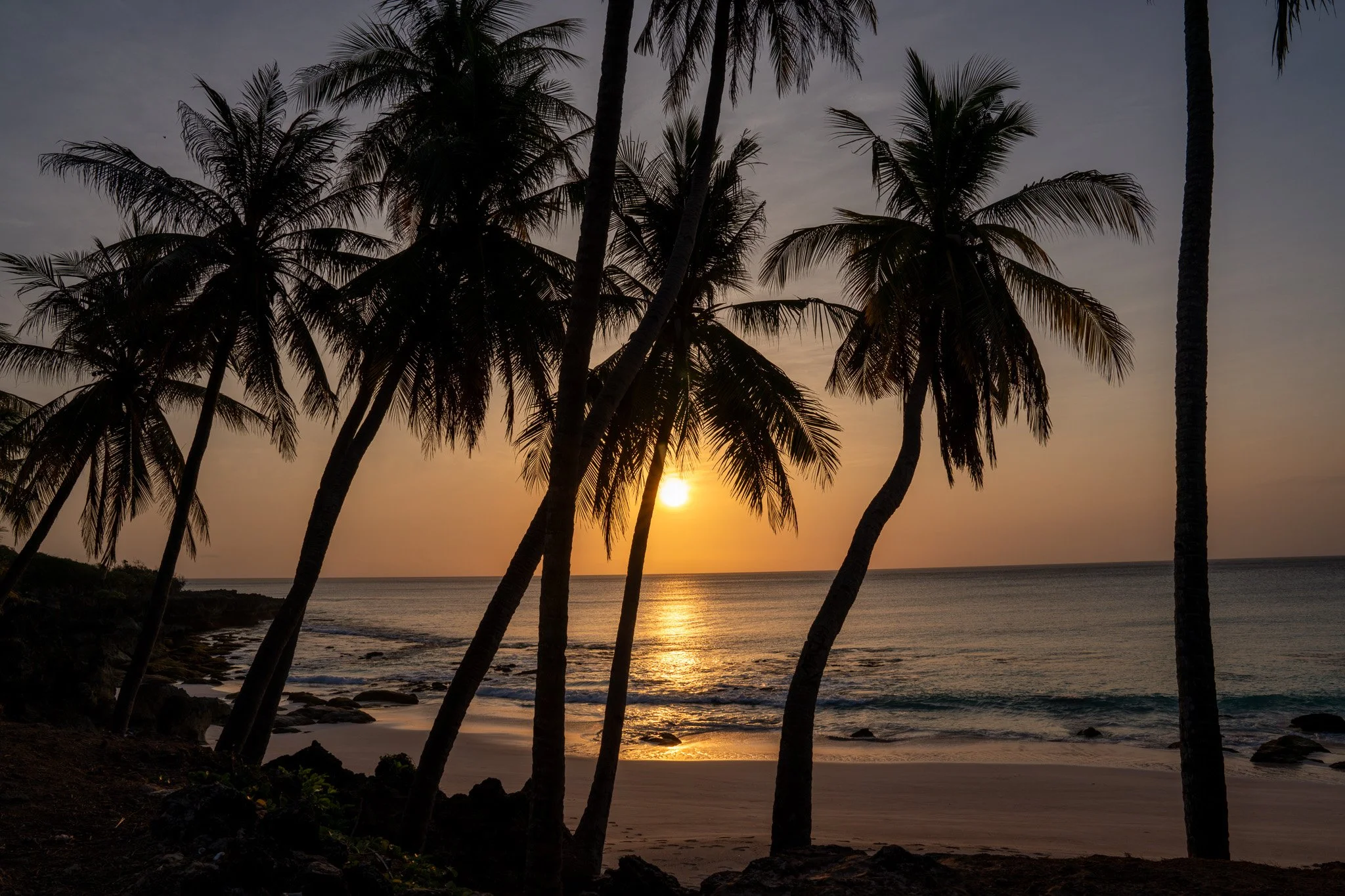
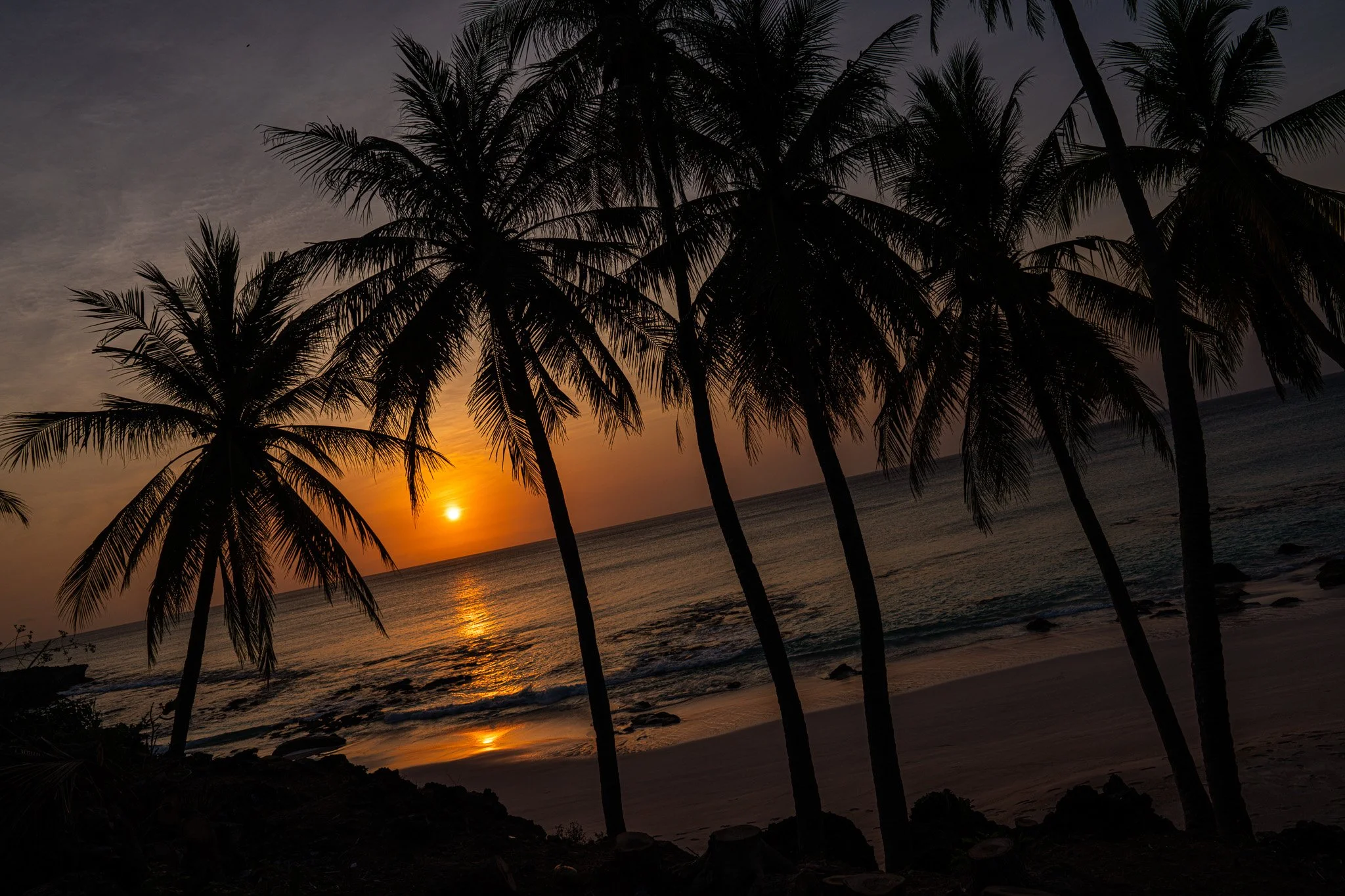
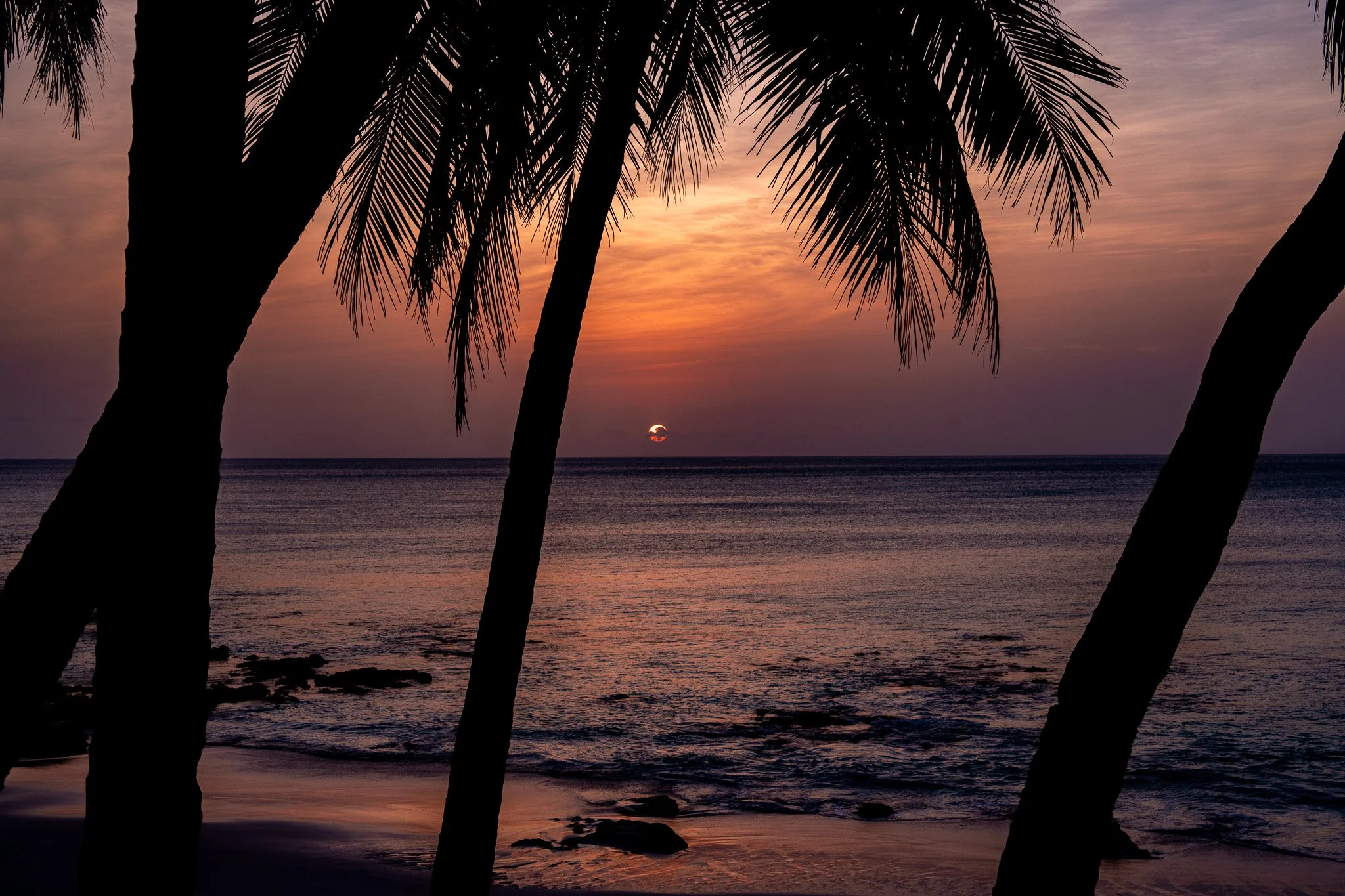
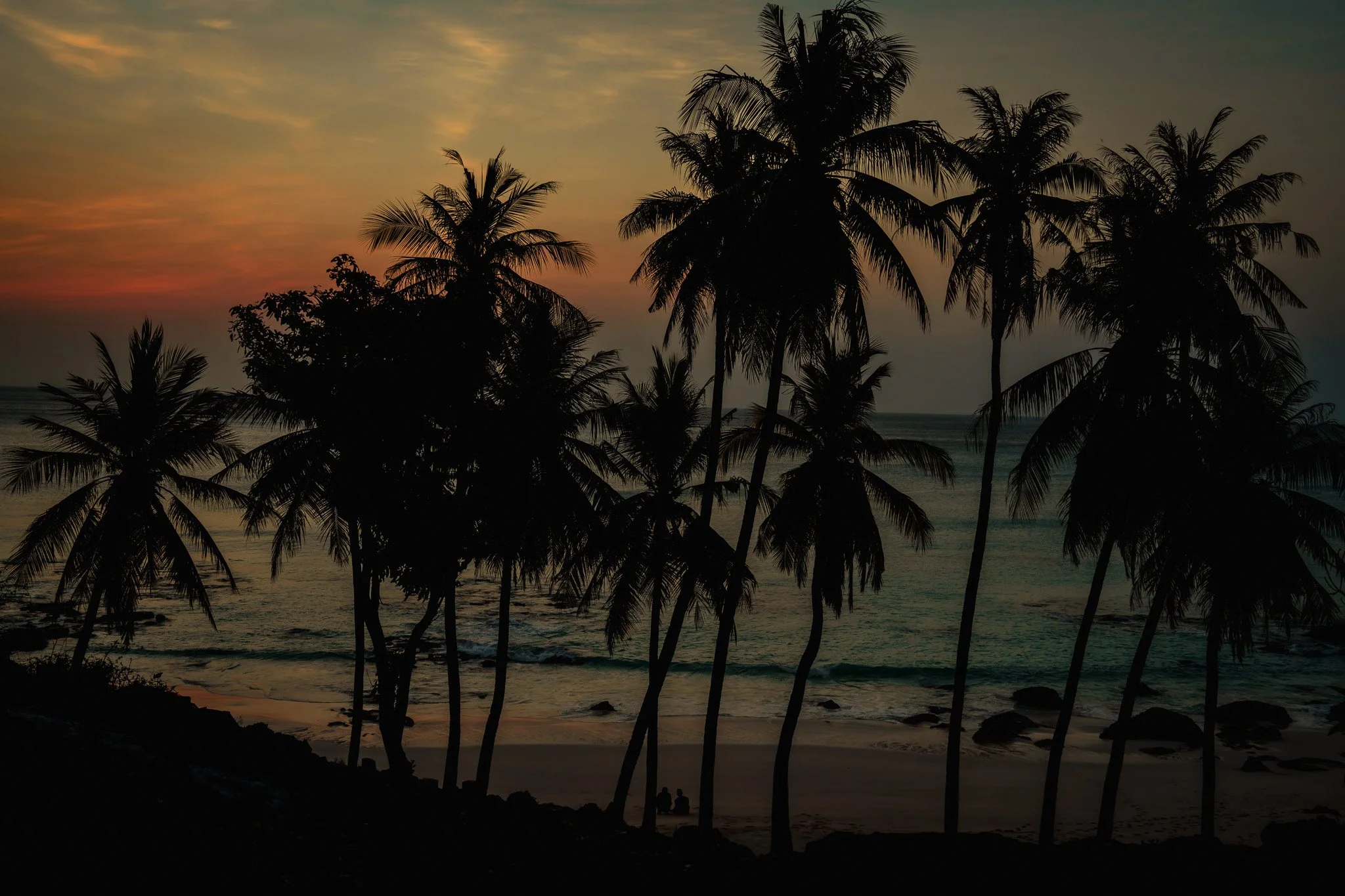
We spent more time on the beach, enjoying the setting sun as it slowly descended. Just like the previous evening, the sun seemed to glow within itself, while the colours in the sky remained muted.
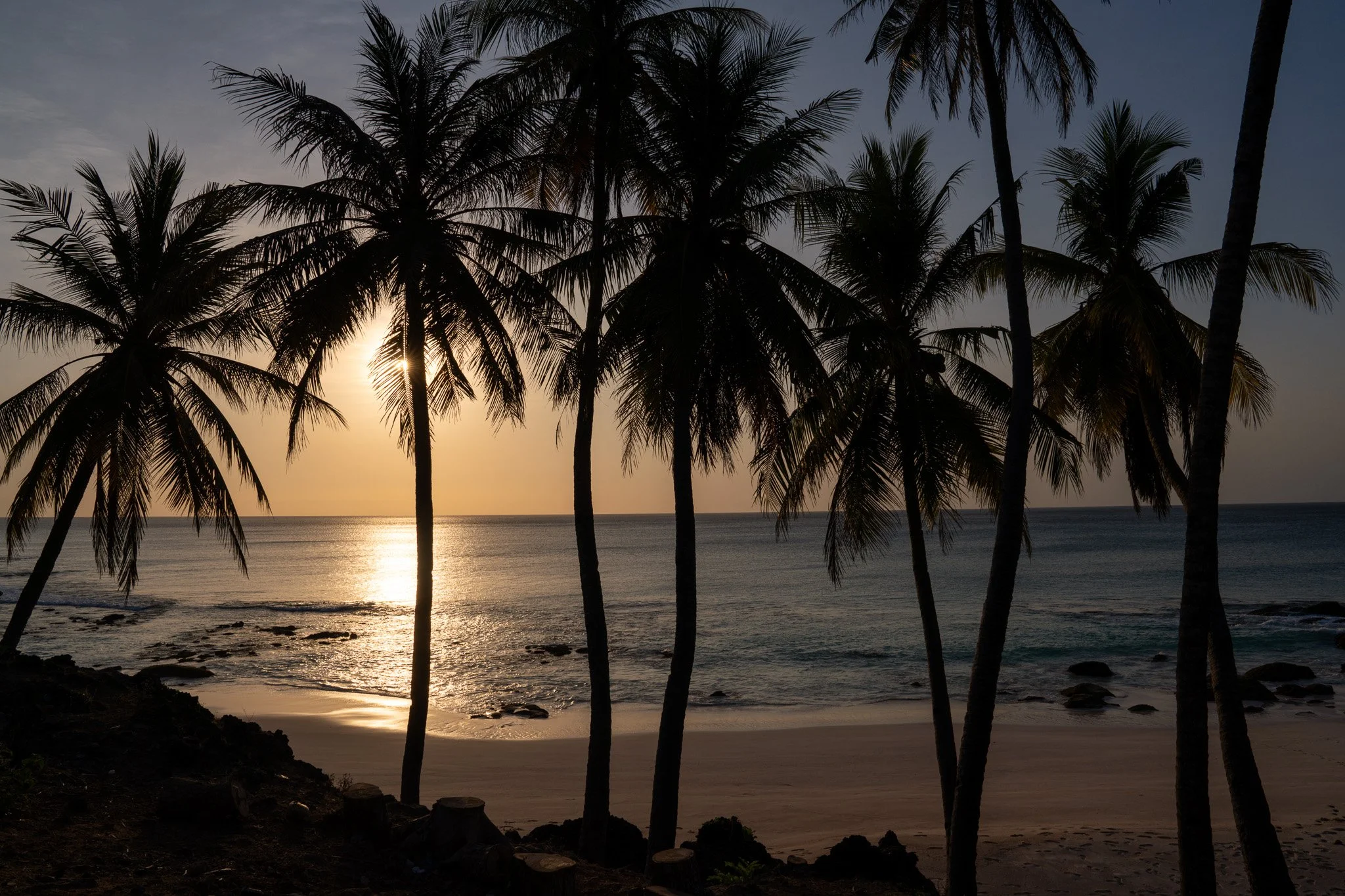
I climbed back up behind the coconut trees to capture the setting sun.
The view was magical.
The sun framed perfectly between the trees — the kind of postcard image you could find on almost any tropical beach.
But this one was different.
It was special because I was there.
I saw it.
And I took the picture.
When we returned to the resort and were getting ready for dinner, I noticed something different about the beach.
The water had receded quite far, and in the darkness, the exposed beach looked almost eerie.
I did not remember seeing it like this the night before.
The restaurant was also busier than it had been on our previous evening. A group had gathered for a briefing about a soccer event that was due to start over the weekend.
We realised how lucky we had been to come before it began.
The quiet resort we had enjoyed would soon be a very different place.
We thought this would be our last evening on Semau. The plan was to leave the next morning and chase the sunrise at Pantai Uiasa, which faces east towards Kupang.
Then we heard that there would be no ferry running the next day.
That completely changed our plans.
At first, I thought perhaps the online schedule was simply incorrect. We decided we should go to Hansisi Port in the morning and check for ourselves.
Later that evening, however, the resort staff confirmed that the ferry would indeed not be running.
They offered us an alternative.
We could leave our car behind and take a motorised fishing boat across to Tenau. The crossing would take only about 15 to 20 minutes.
I was hesitant.
I knew these small boats, and I was not convinced that safety would necessarily be the boat operator's first priority. The thought of crossing without our car, on a small fishing boat, did not exactly fill me with confidence.
So I decided there was no need to make the decision that night.
“Let's sleep on it and decide in the morning.”
After all, I did not mind staying another night on Semau.
The next morning before breakfast, I took one last walk along the beach. The water had receded quite far. Beyond the exposed solid rocks were pools of different sizes, some small and shallow, others larger and deeper.
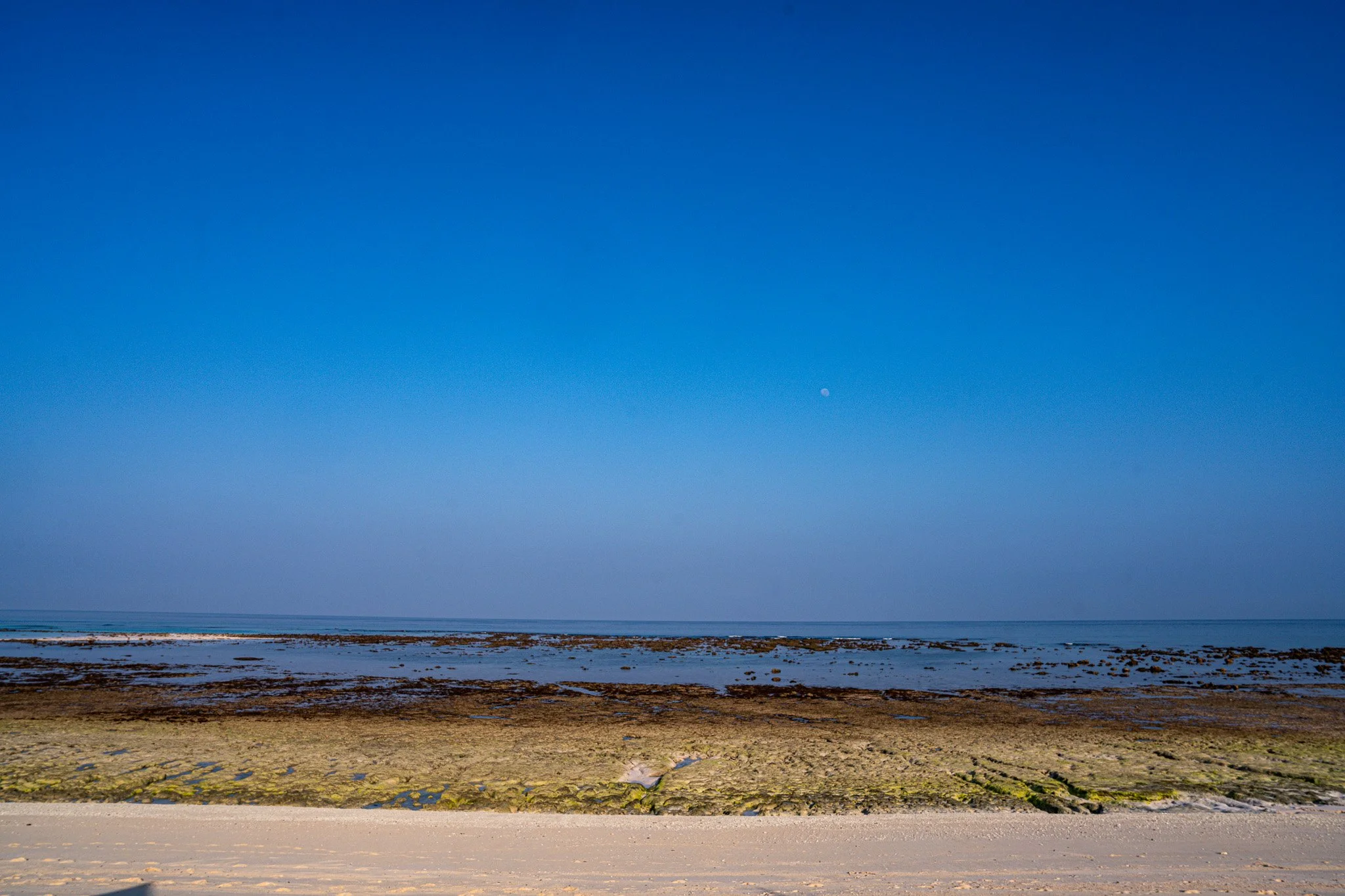
My partner told me they had looked like this the day before.
I had missed them.
I had been at Pantai Kelapa then.
I ventured further towards the pools while my partner stayed behind.
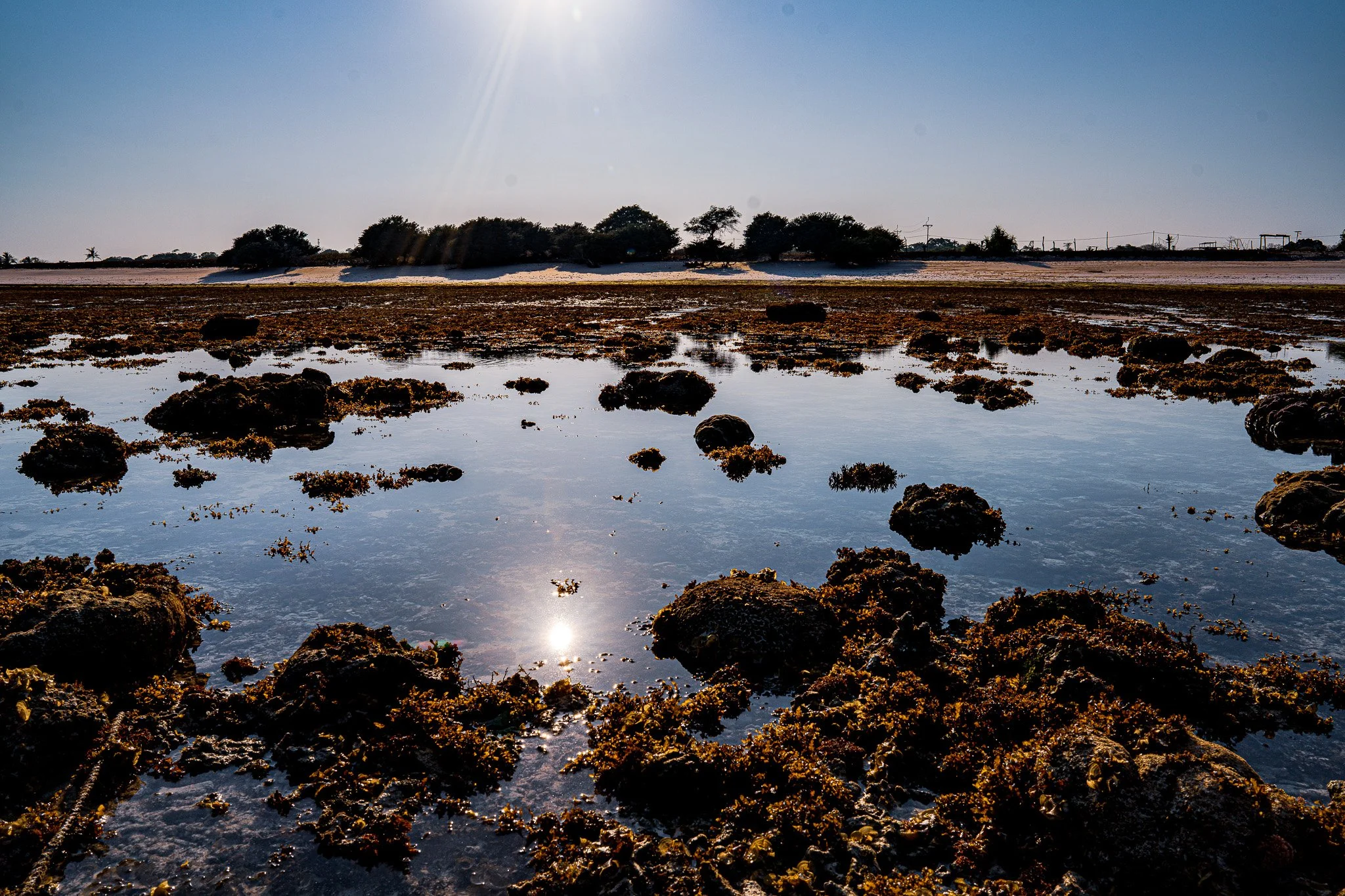
As I walked closer, something familiar began to surround me.
The smell of the sea.
The scent of the sea vegetation left exposed by the retreating water.
Even the faint sound of the vegetation drying under the morning sun.
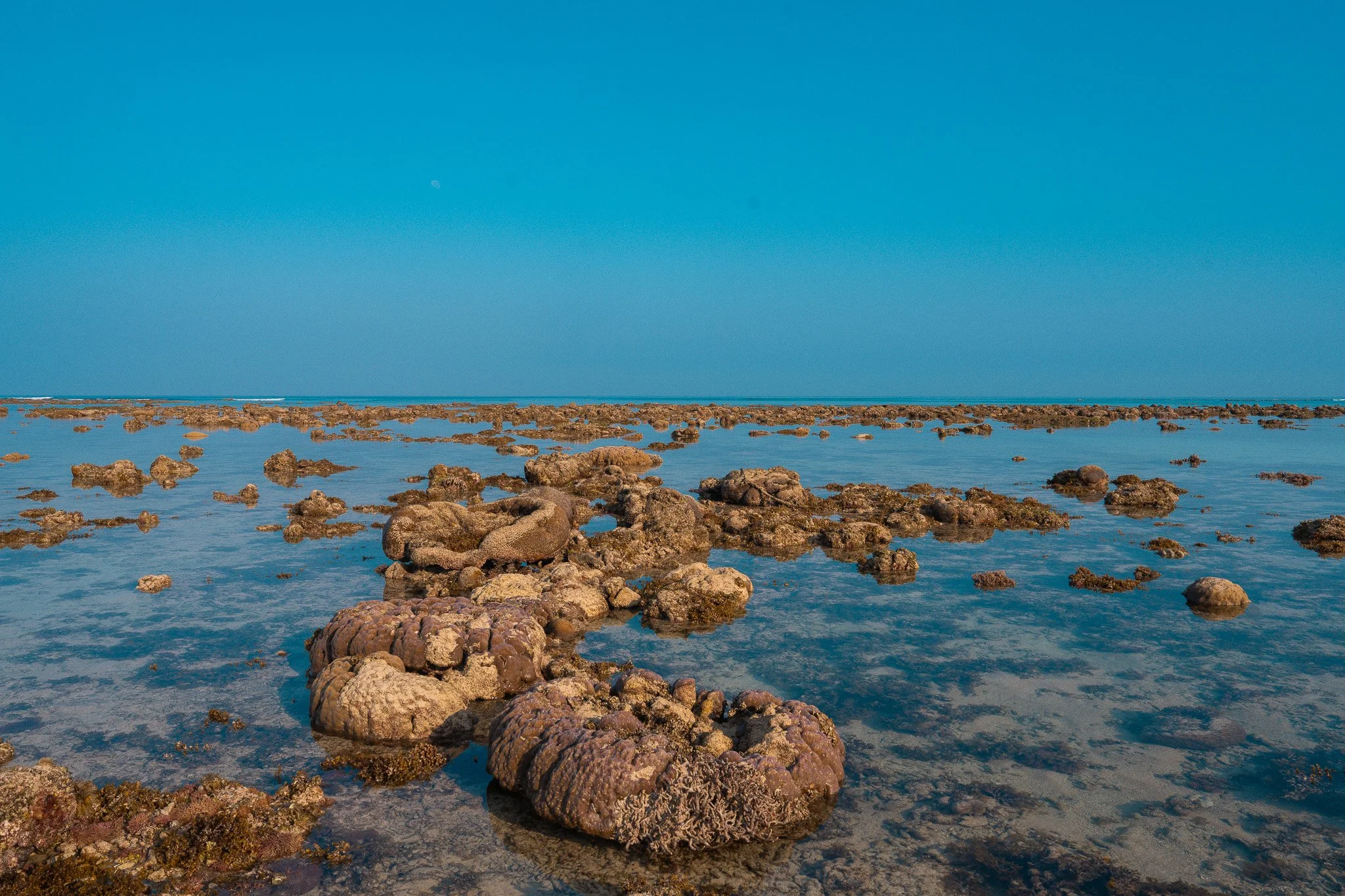
It all transported me back to my childhood.
I had lived like this before.
It was a life I had been searching for every time I returned to Kupang — a part of my childhood that I hoped I might somehow find again, but never quite did.
And now, unexpectedly, Semau had left a present waiting for me to discover.
As a child, I would go to the water equipped with a simple, custom-made tool for catching tropical fish.
Today, I carried only a camera.
I was no longer there to catch them.
I was there to capture their beauty without disturbing their lives.
As I ventured further, I came across a living coral.
And then I saw it.
A familiar shape and colour darted between the spikes of the coral.
Fish.
For a moment, I felt like that child again.
I moved closer for a better look.
Immediately, the fish disappeared into the coral.
I waited.
Nearby was another coral, larger than the first. I stood quietly beside it, barely moving, my camera ready.
Then, slowly, I saw them again.
They began to emerge.
At first, they were cautious, darting quickly between the spikes of the coral. It was difficult to see their entire bodies before they disappeared again.
I stayed still.
They began to gain confidence.
A little further out.
Then a little further.
Still close to the reef, but no longer completely hidden.
And then something changed.
They began chasing one another playfully, darting around the coral and swimming out into the open water.
I knew that play.
I had seen it so many times as a child.
The same movement. The same energy. The same little world unfolding beneath the water.
Only this time, I was not a child with a homemade tool trying to catch them.
I was an adult standing quietly with a camera, simply grateful to be watching.
To experience that moment again, unexpectedly, was perhaps the greatest gift Semau had given me.
I stood there watching them for more than half an hour.
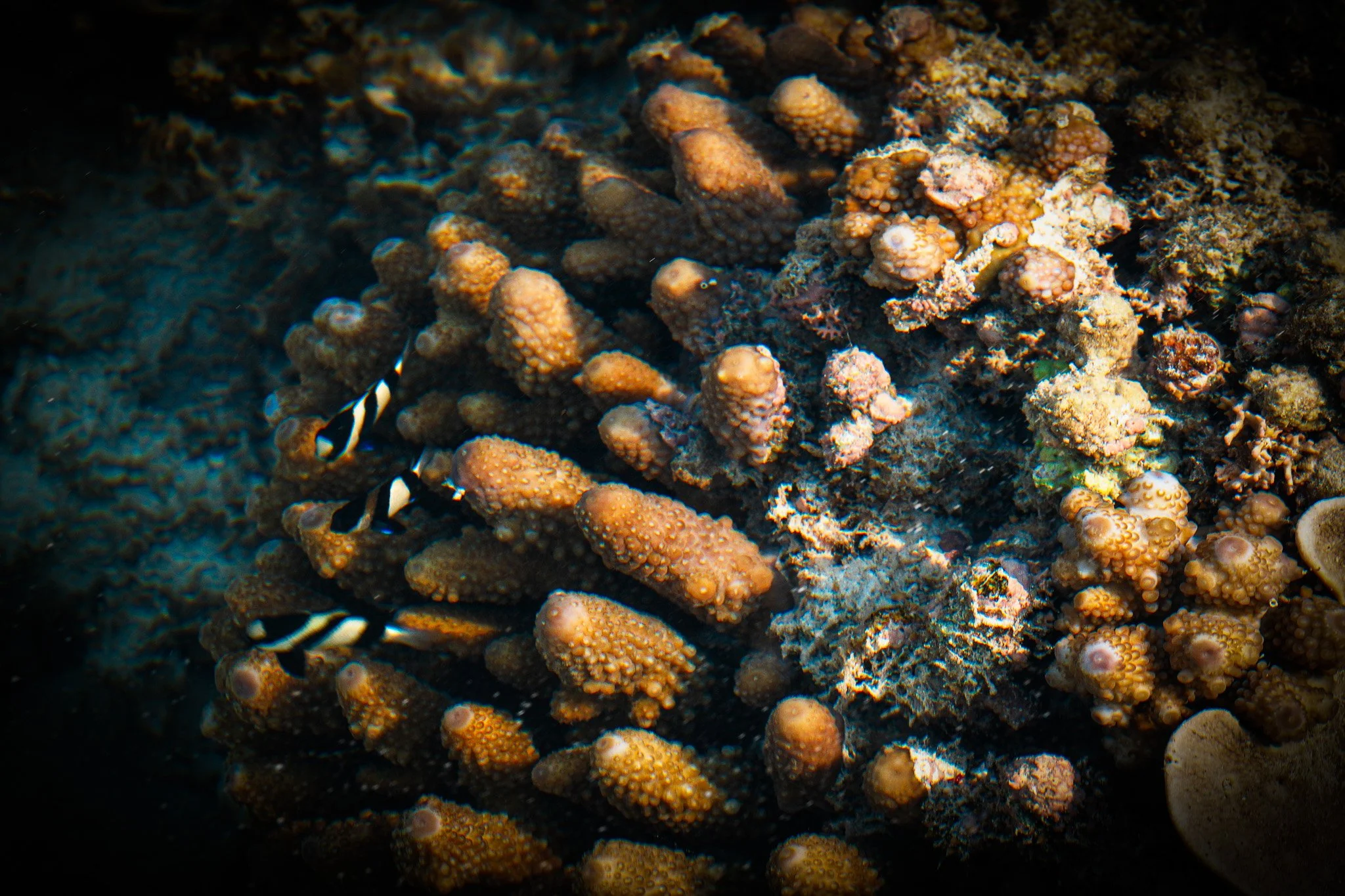
Then I began to notice other fish in the pools — some of them familiar too, little reminders of a world I had almost forgotten.
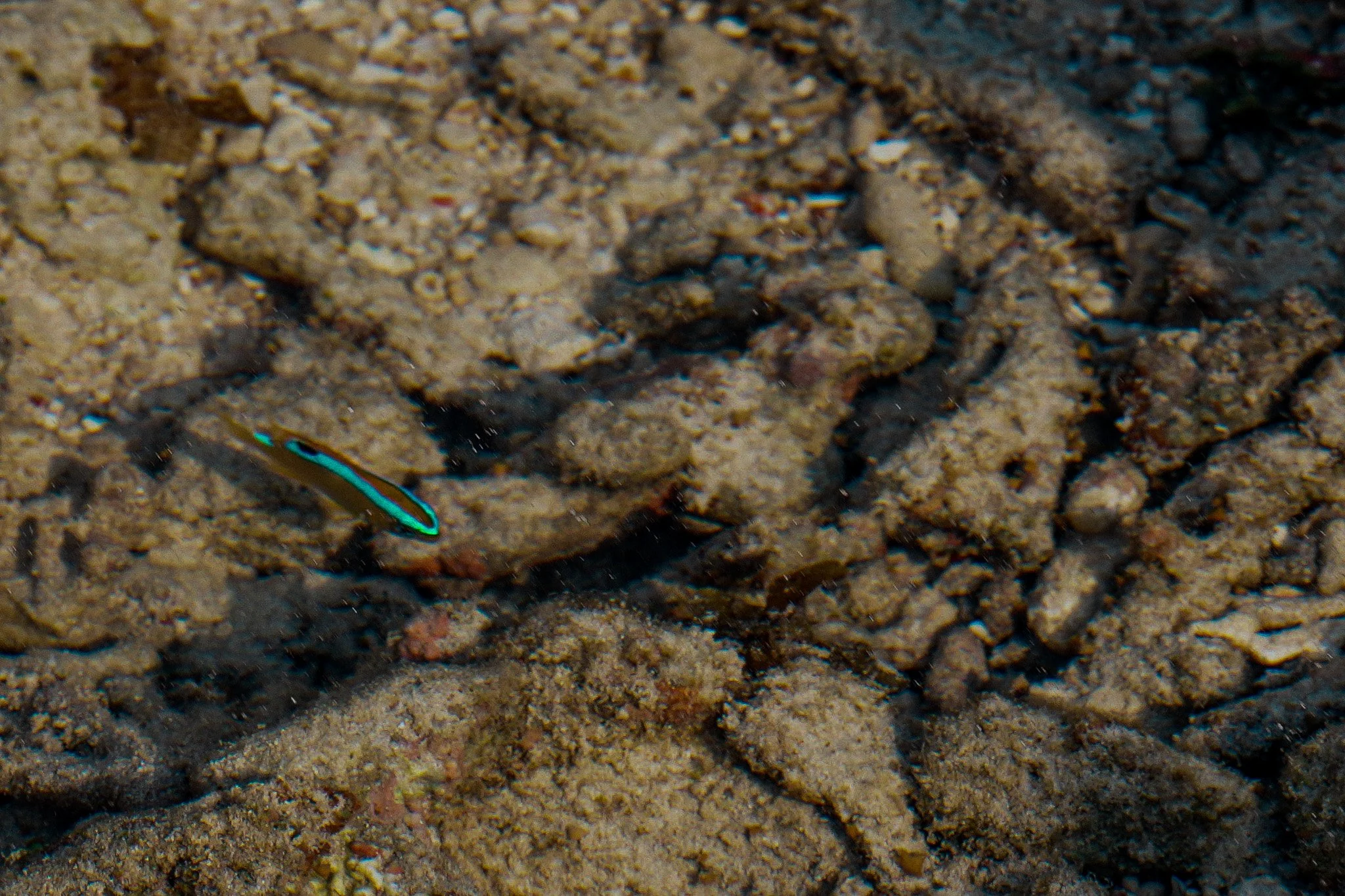
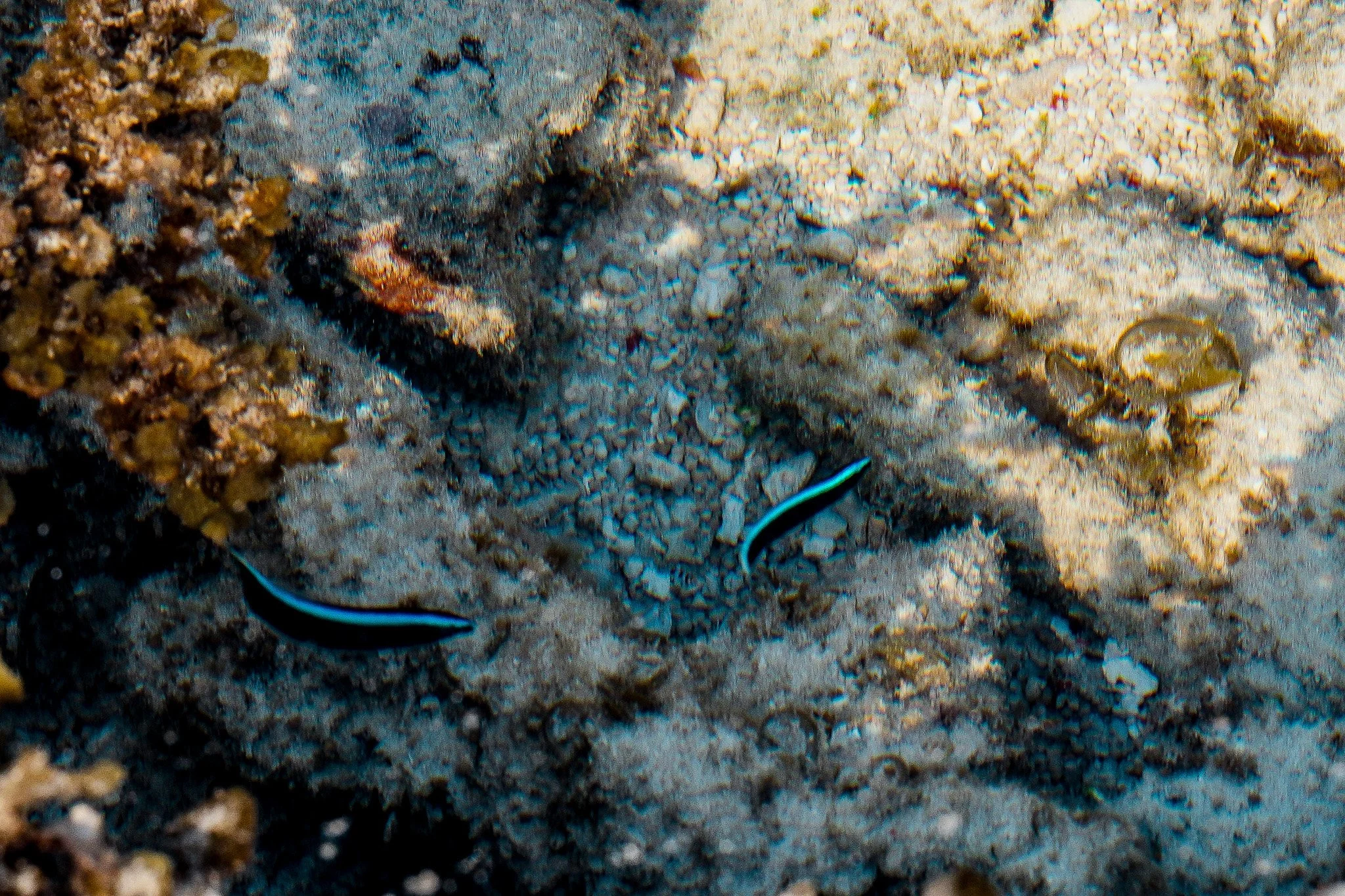
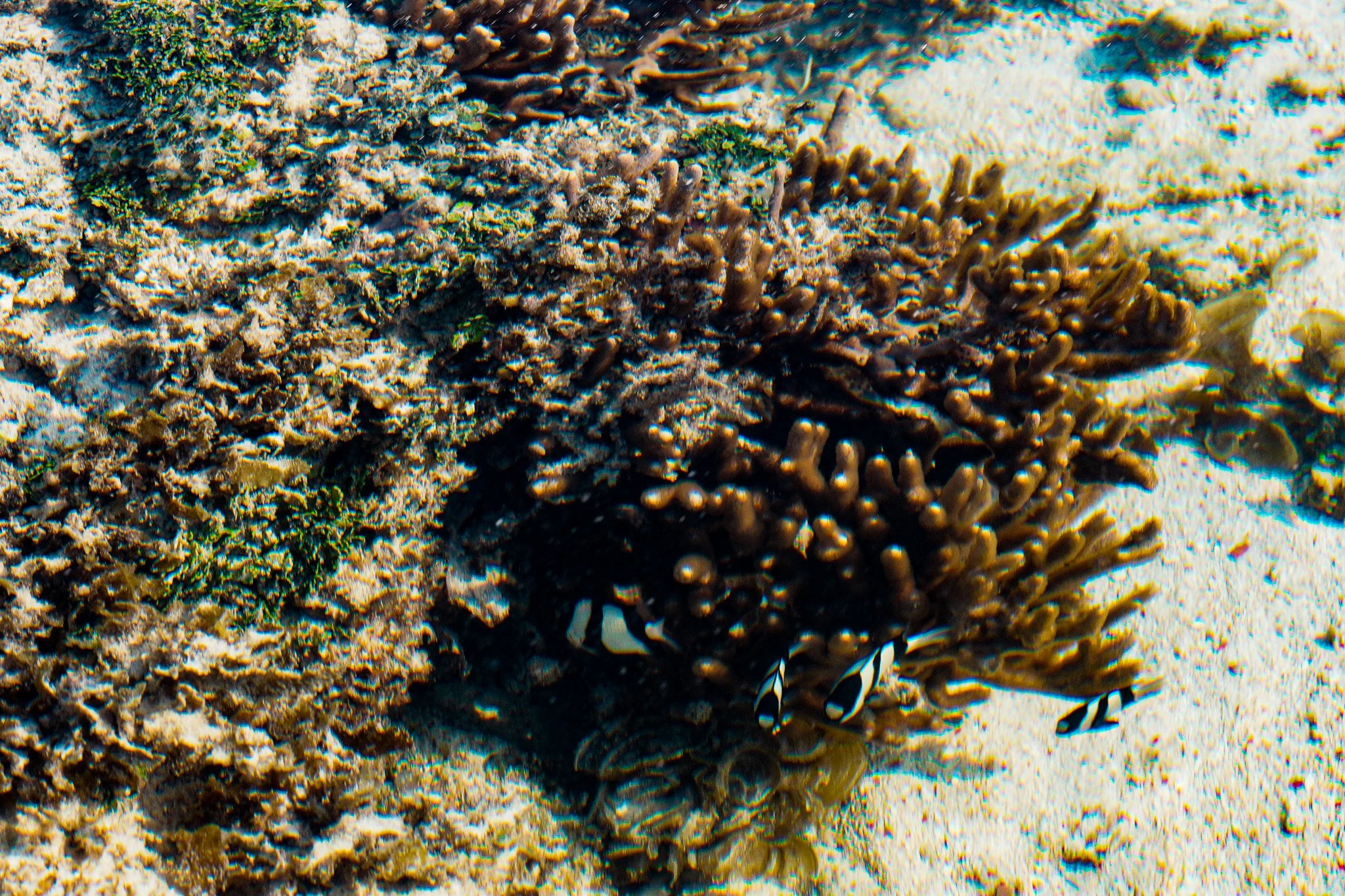
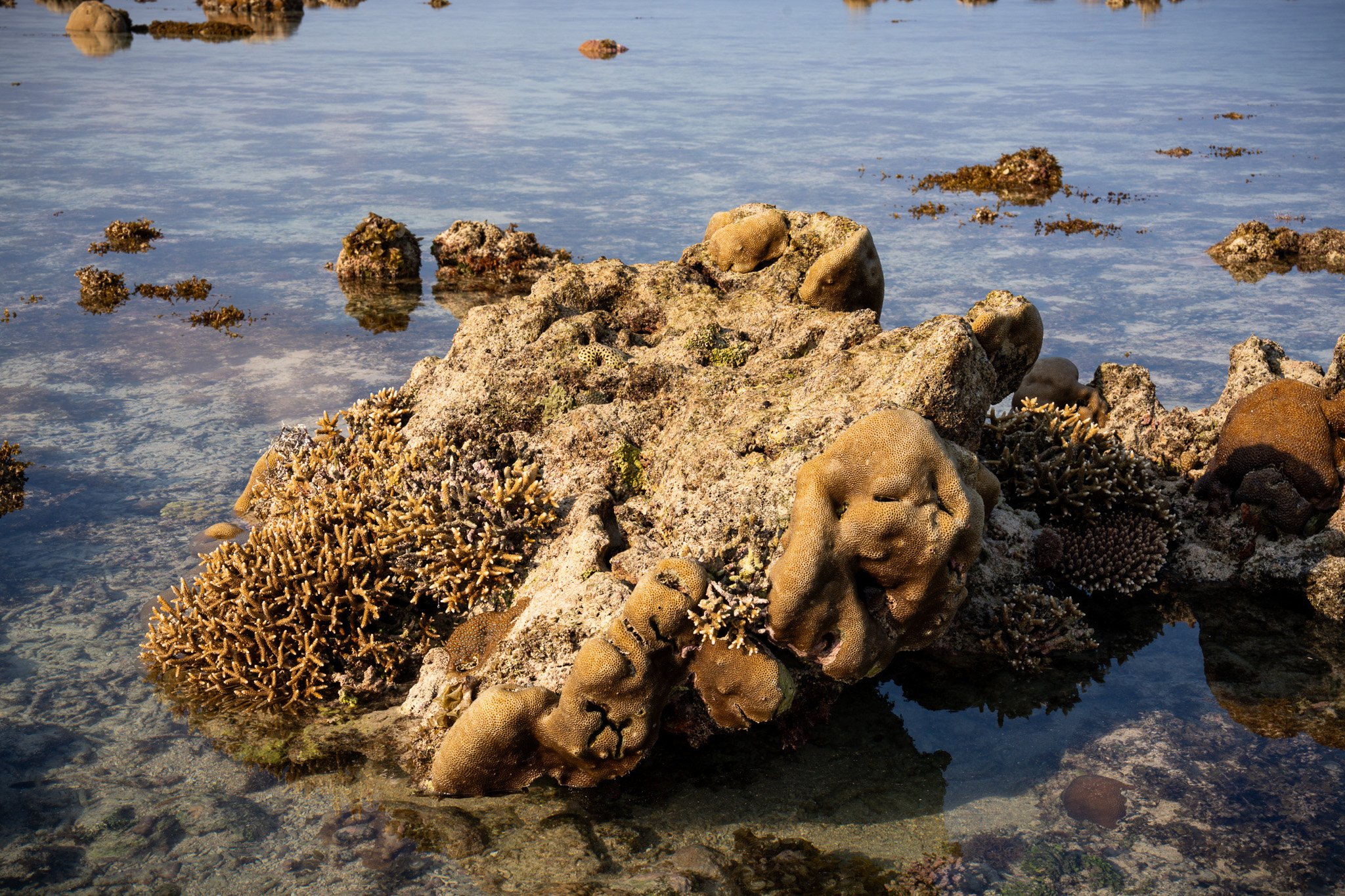
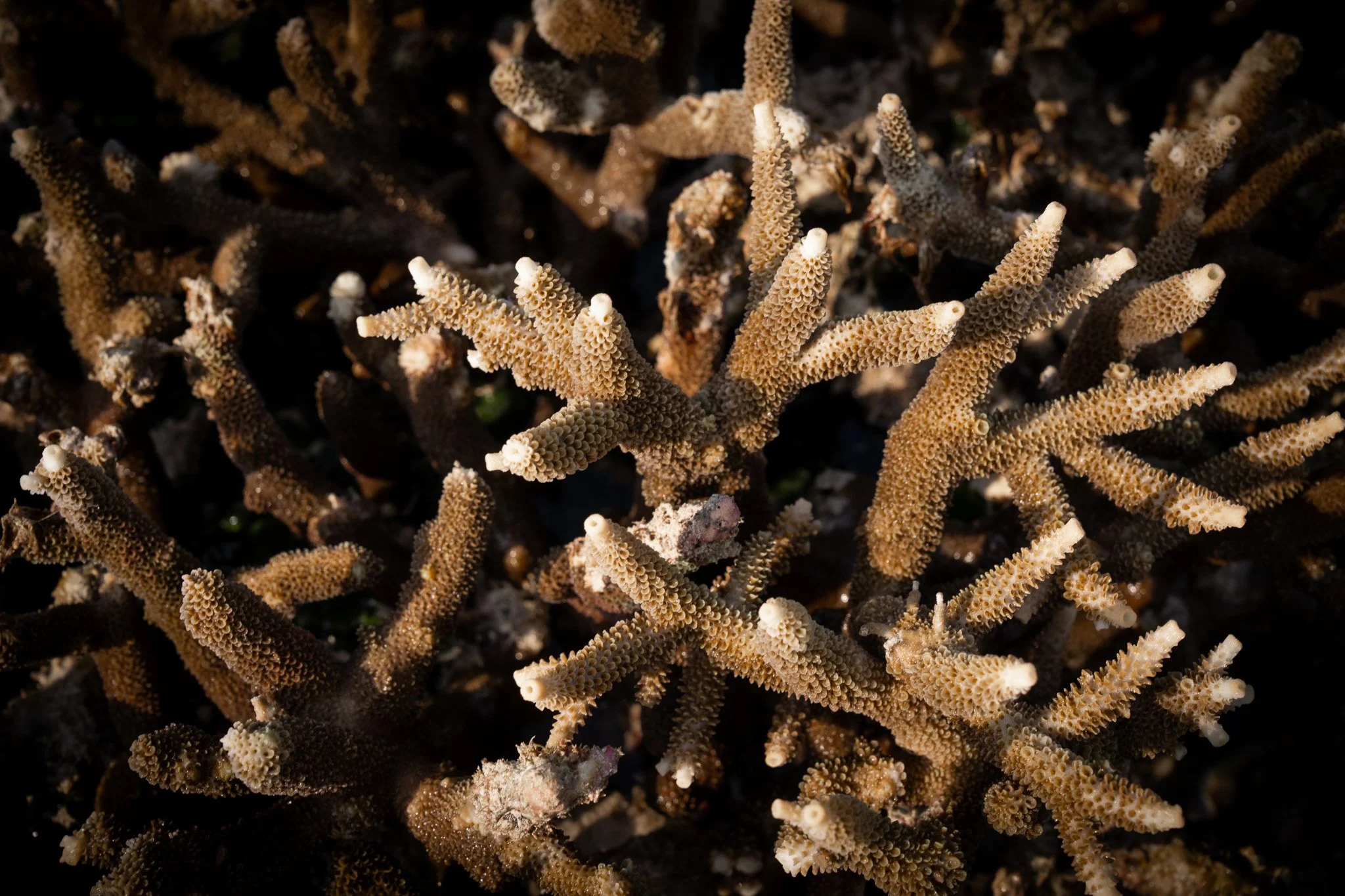
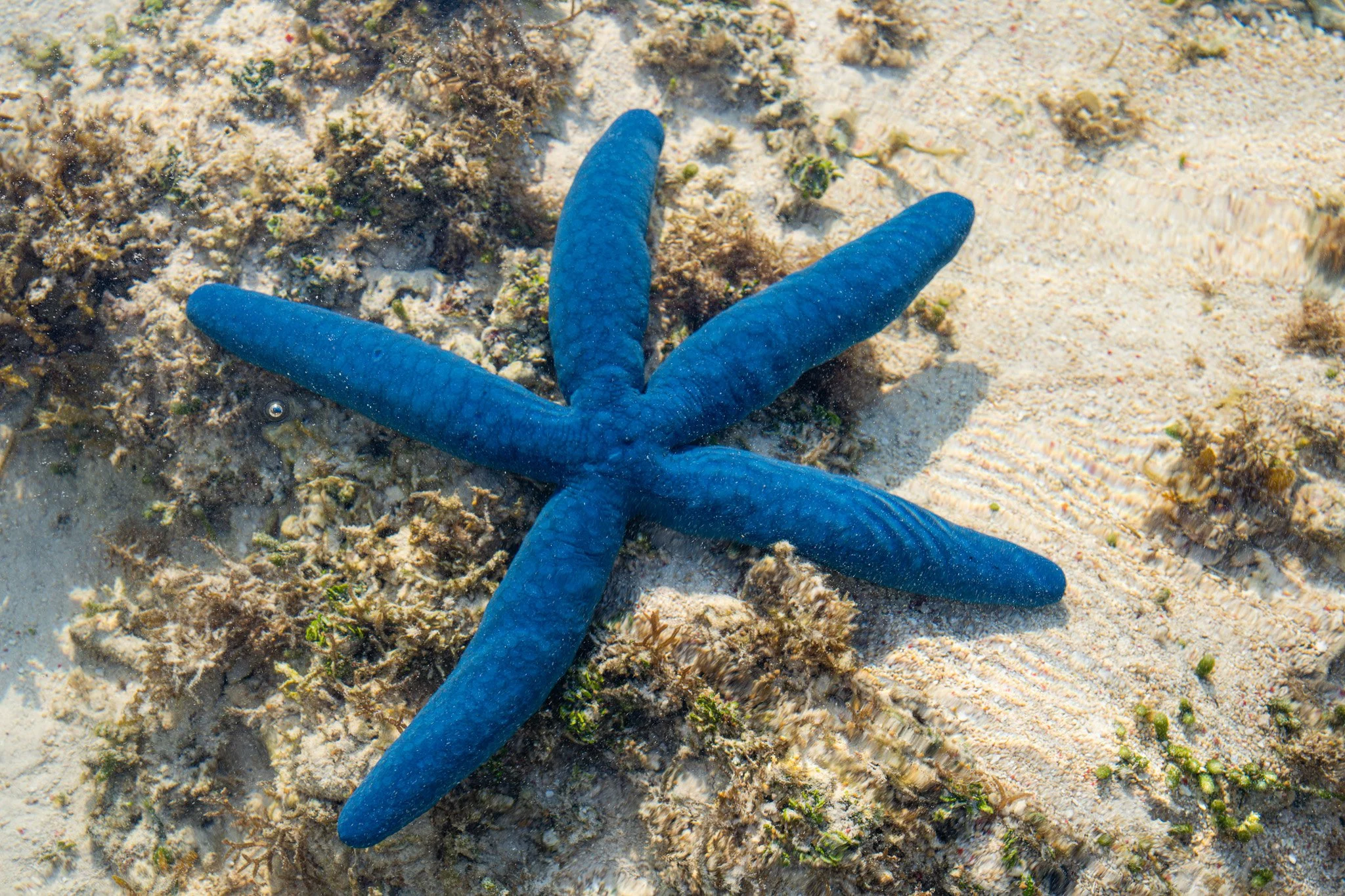
I could have stayed much longer.
But eventually, the morning sun began to bite into my skin, and I reluctantly left the pools.
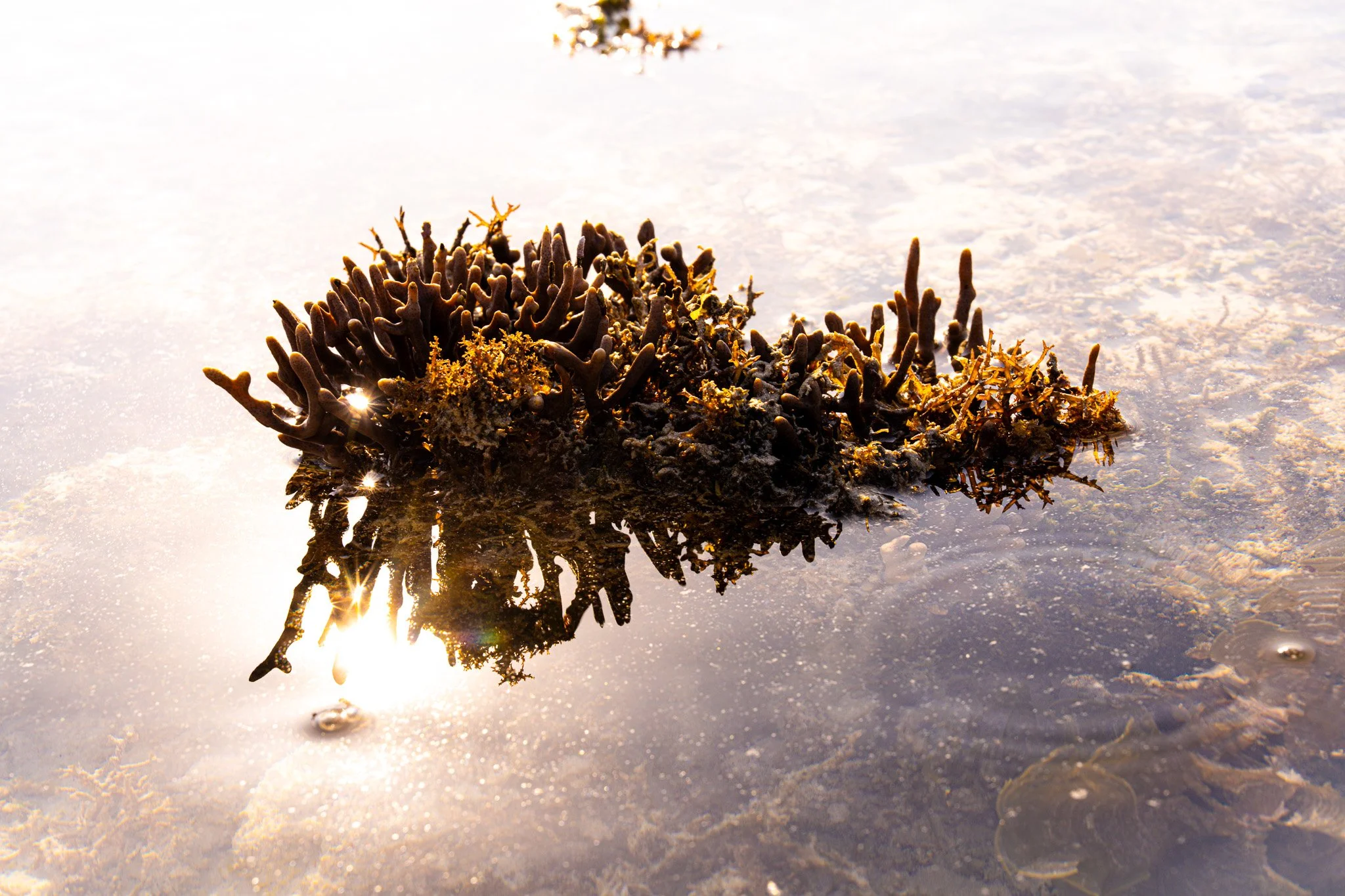
I did not want a childhood memory to end with a sunburn.
Over breakfast, we decided that my partner and I would take the boat back to Kupang, while my nephew, who had been our driver, would stay behind with the car. He would take the ferry back if the service resumed the following day.
But there was still no guarantee that it would. By now, we had learned that on Semau, nothing was certain.
That uncertainty was one of the reasons I decided to take the boat. The other was the sea. It was unusually calm that morning.
With the decision made, we quickly packed our things and headed to Hansisi Port to find a boat back to Kupang.
There were plenty of boats offering the crossing. We were directed to one, and before long, it left the port.
I was not surprised to discover that there were no life jackets.
For a moment, I felt uneasy.
I tried to reassure myself. These boat operators had made this crossing countless times. There were plenty of other boats and larger ships around us. Surely, if anything happened, help would not be far away.
I sat back and tried to enjoy the crossing.
We reached Tenau safely.
It was an experience I was glad to have had — and one I hoped would happen only once.