Two Weeks Across Japan - Kyoto in Fragments
As planned, we left Osaka for Kyoto, though I was already not feeling my best that morning. The city greeted us with heat that seemed to rise from every surface. Even before we reached our first destination, I could already feel my energy draining.
There were several places we wanted to visit, and we had already agreed to avoid some of the more crowded attractions or those that would take us too far from the Gion area. Even as the train carried us toward Kyoto, the question of how to begin the day remained open—until, as often happened on this trip, someone made a suggestion.
A brief discussion followed, and before long it became the group's decision.
I was more than happy to go along with it. My phone still refused to cooperate with the apps I relied on, and I was feeling far from my best. For once, it was a relief simply to follow rather than plan, to let someone else worry about directions and logistics.
Our first stop was Kiyomizu-dera.
From Kyoto Station, we boarded a bus heading towards the temple. As it wound through the city streets, a sense of familiarity began to emerge. I could not recognise individual shops or buildings, yet the streetscape carried a familiar shape I could not quite place.
I had walked these streets before.
When the bus stopped, we followed the crowd off, only to realise we were not entirely sure it was the right stop. Before the bus pulled away, we quickly asked the driver whether this was the stop for Kiyomizu-dera.
He simply pointed ahead.
Following his gesture, we saw groups of visitors moving steadily in the same direction.
That was enough confirmation for us.
We joined the flow and began walking.
Strangely, even the name Kiyomizu-dera evoked almost no memory in me. I found that surprising. On my previous visit to Kyoto, we had spent several days exploring the city. I could still vividly recall many of the places we had visited, some of them in remarkable detail.
Yet this temple seemed absent from those memories.
I began to wonder whether we had somehow missed it altogether.
The answer revealed itself as we approached the entrance.
The path opened onto a small garden and an imposing gate unlike the simple vermilion torii gates that had become so familiar throughout Japan.
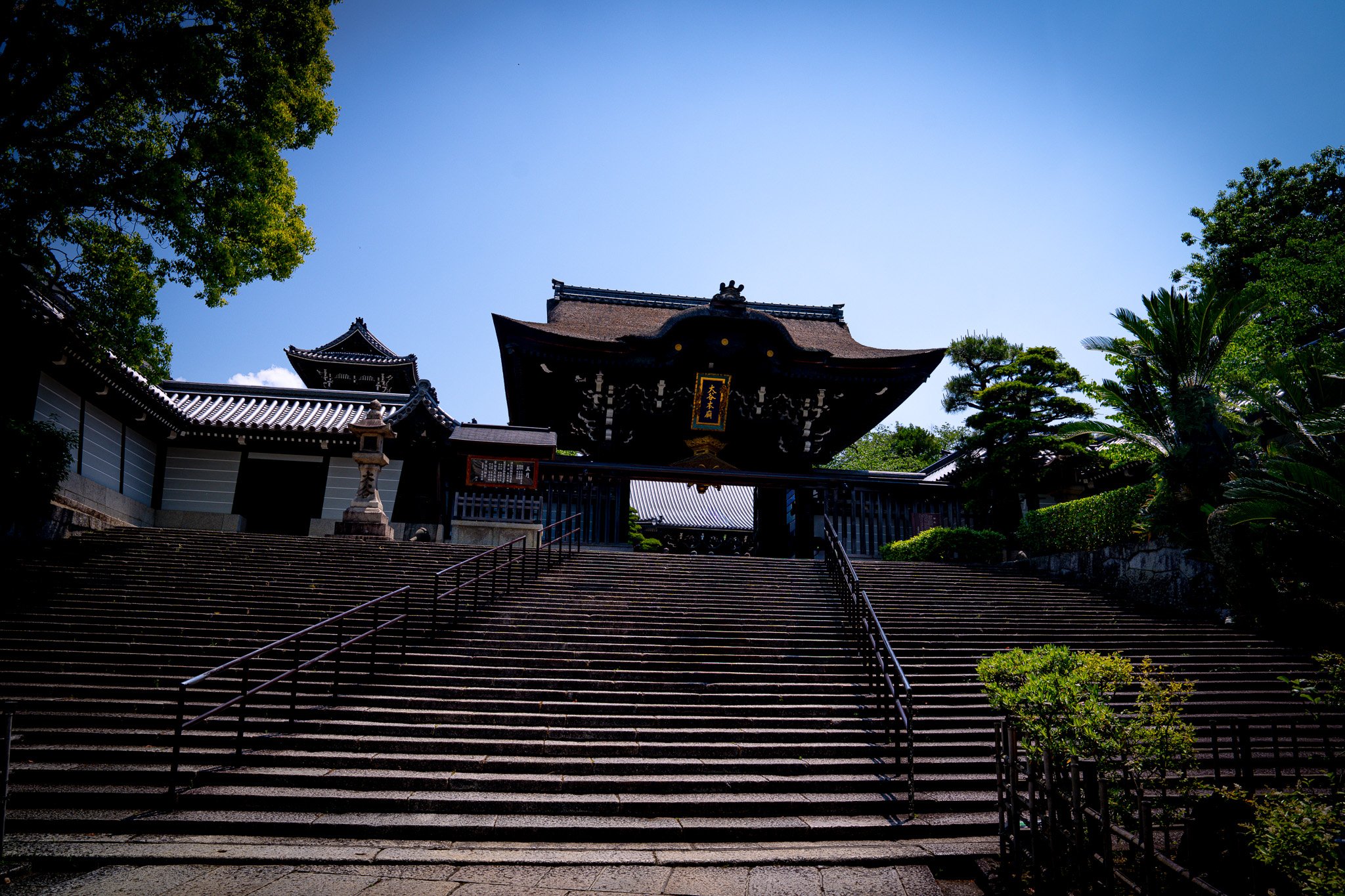
A broad staircase led upwards towards it. The structure itself was elaborate, its upper section decorated with geometric patterns and contrasting dark timber against white surfaces. The architectural style felt distinct from many of the shrines and temples we had already seen, and as I looked around, I noticed the same design elements repeated throughout the surrounding buildings.
And still, nothing about it felt familiar.
The longer I looked, the more puzzled I became. For a place that seemed so prominent, I could not recall a single detail from my previous visit.
Only later did it slowly dawn on me that I was trying to remember a place I had never actually been.
As I passed through the gate, another building came into view not far ahead.
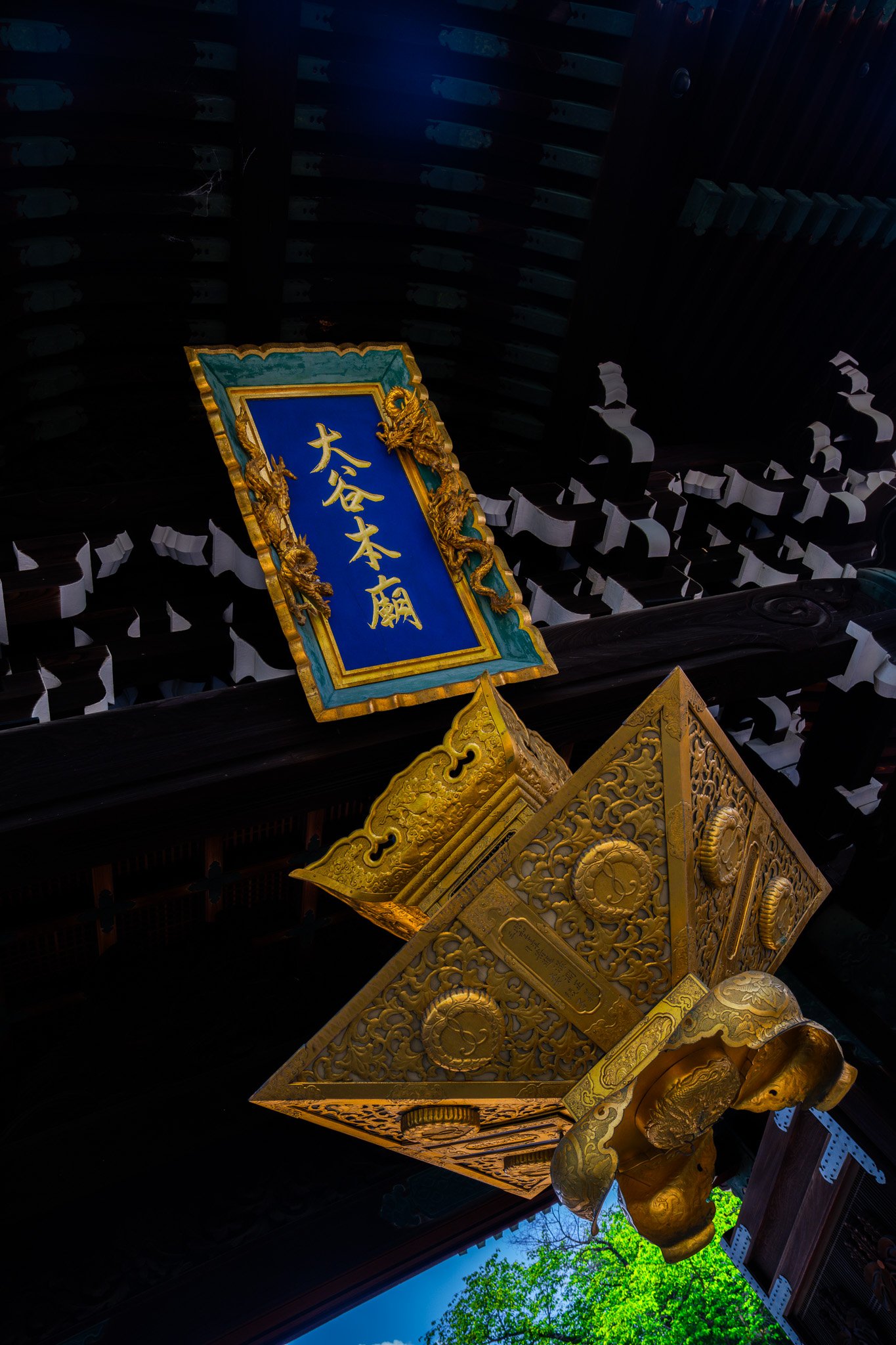
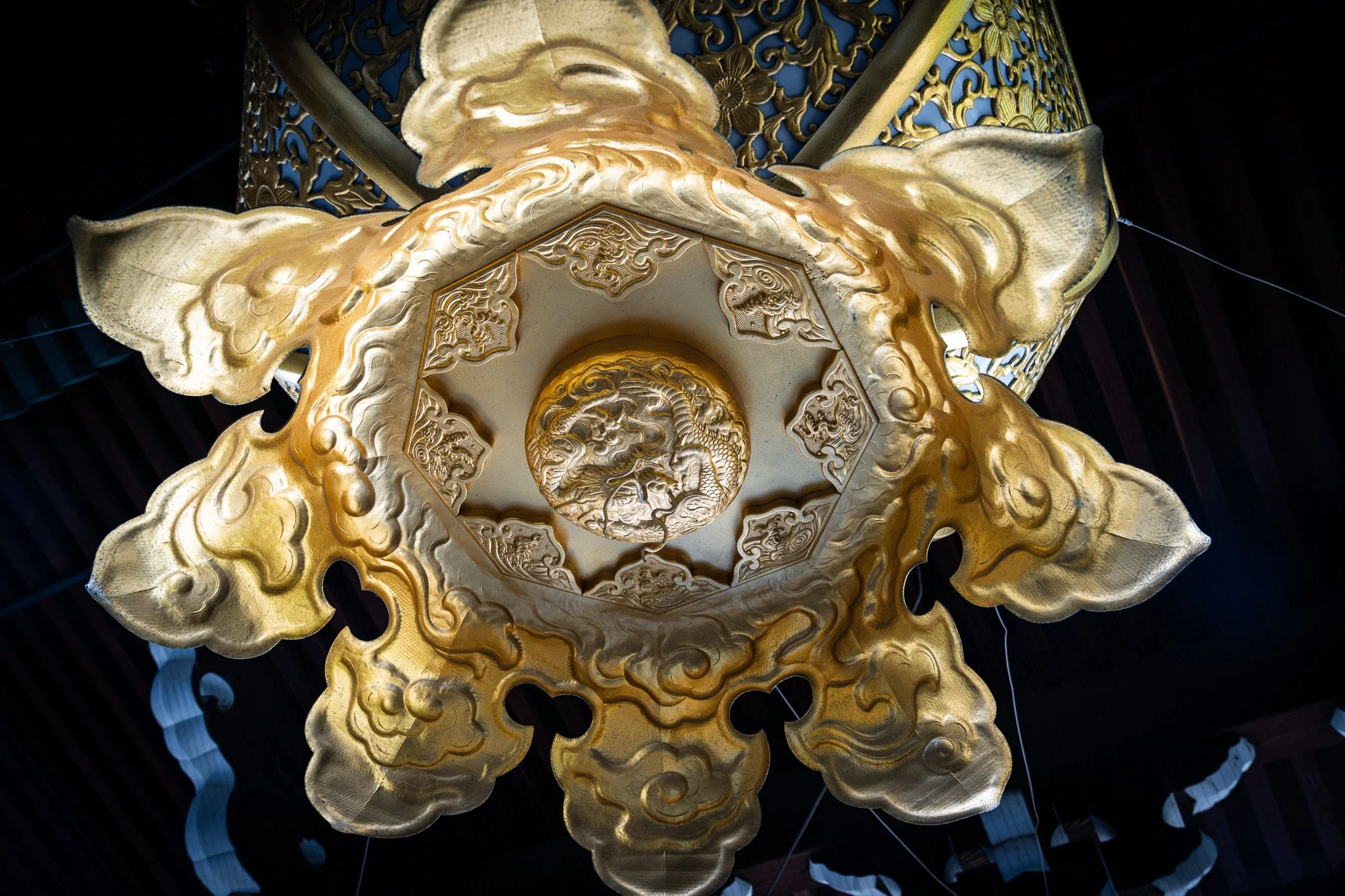
It had the same distinctive geometric patterns I had begun noticing throughout the area, and from where I stood the structure appeared to be built largely of wood. Two stone lanterns stood guard at the front, while a large gold ornament hanging above the entrance added a sense of elegance that immediately drew my attention.
Before the short staircase sat something resembling a large wooden offering box, positioned squarely in the centre.
I stood there studying it, aware that I was looking at something entirely unfamiliar.
Curiosity drew me closer.
Crossing the open courtyard, I could feel the heat radiating from the concrete beneath my feet. Up close, the gold ornament was even more impressive than it had appeared from a distance, catching the sunlight and giving the building a quiet grandeur.
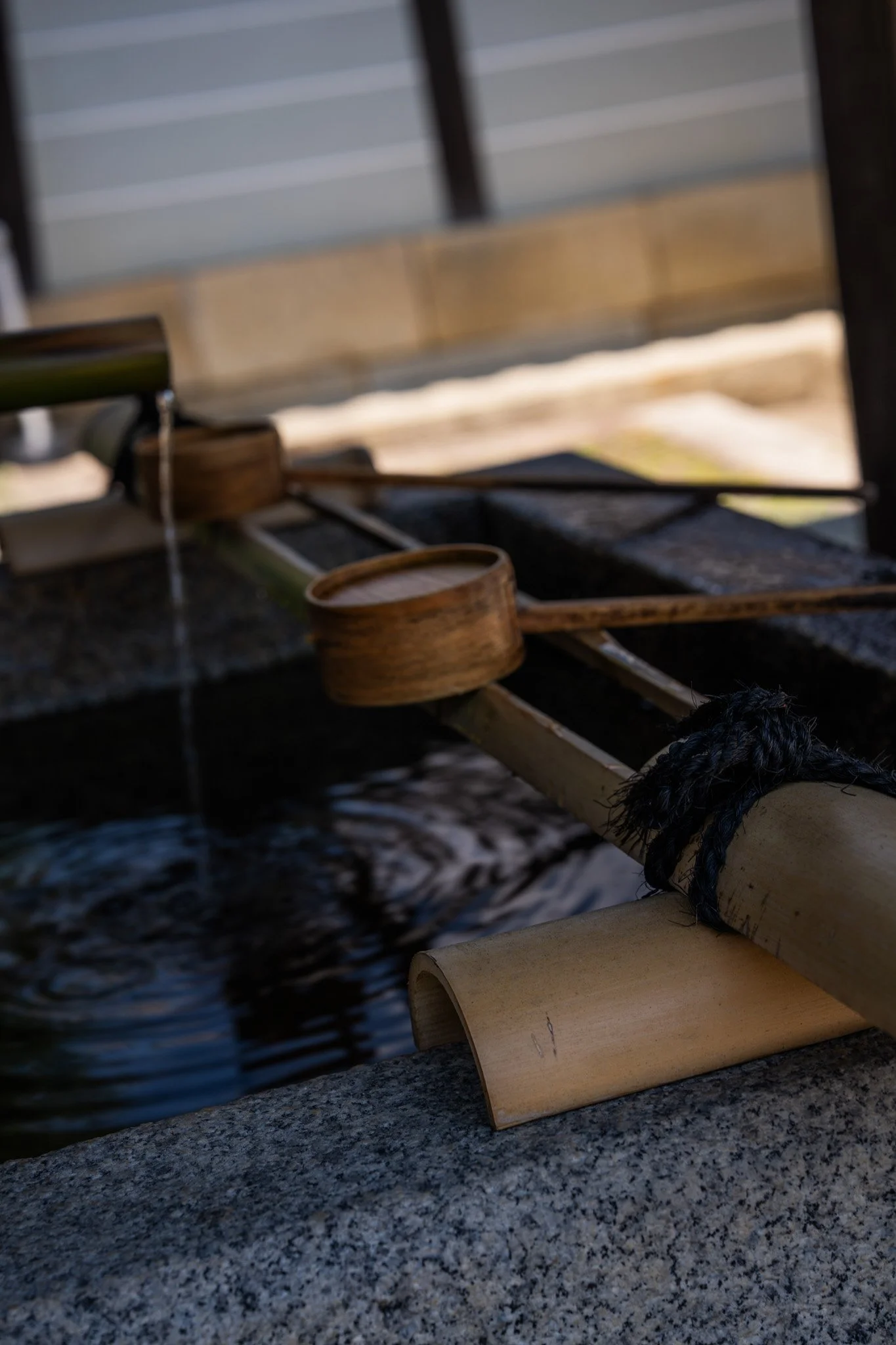
A pair of shoes sat neatly at the foot of the short staircase.
Instinctively, I removed my own before climbing the wooden steps leading into the hall.
Inside, what appeared to be large wooden doors were all closed. My first thought was that visitors were not permitted to enter. I had encountered similar restrictions in temples, shrines, and historical buildings throughout my travels in Indonesia, Japan, and China.
Curious, I peered through a small opening in one of the doors.
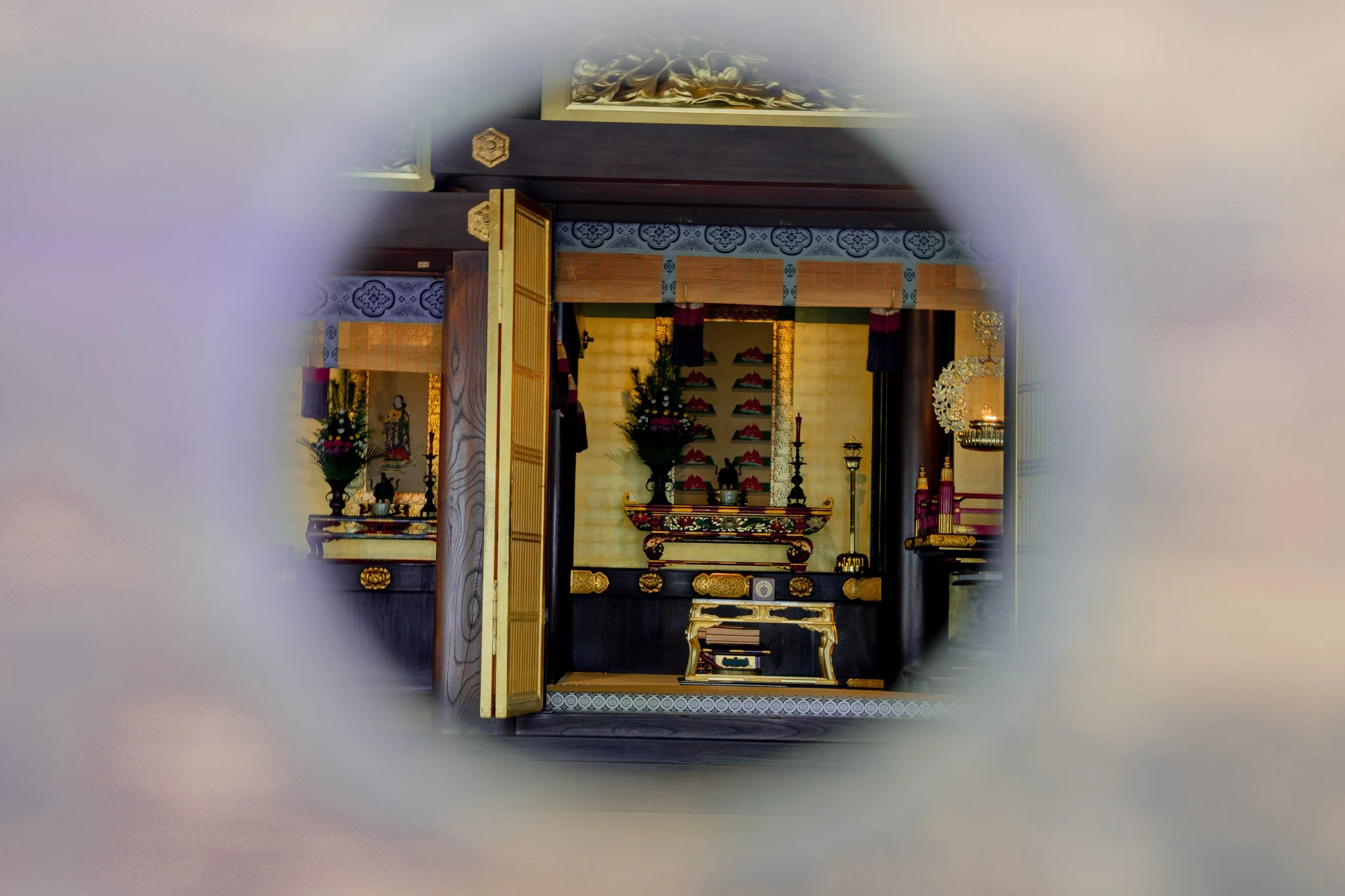
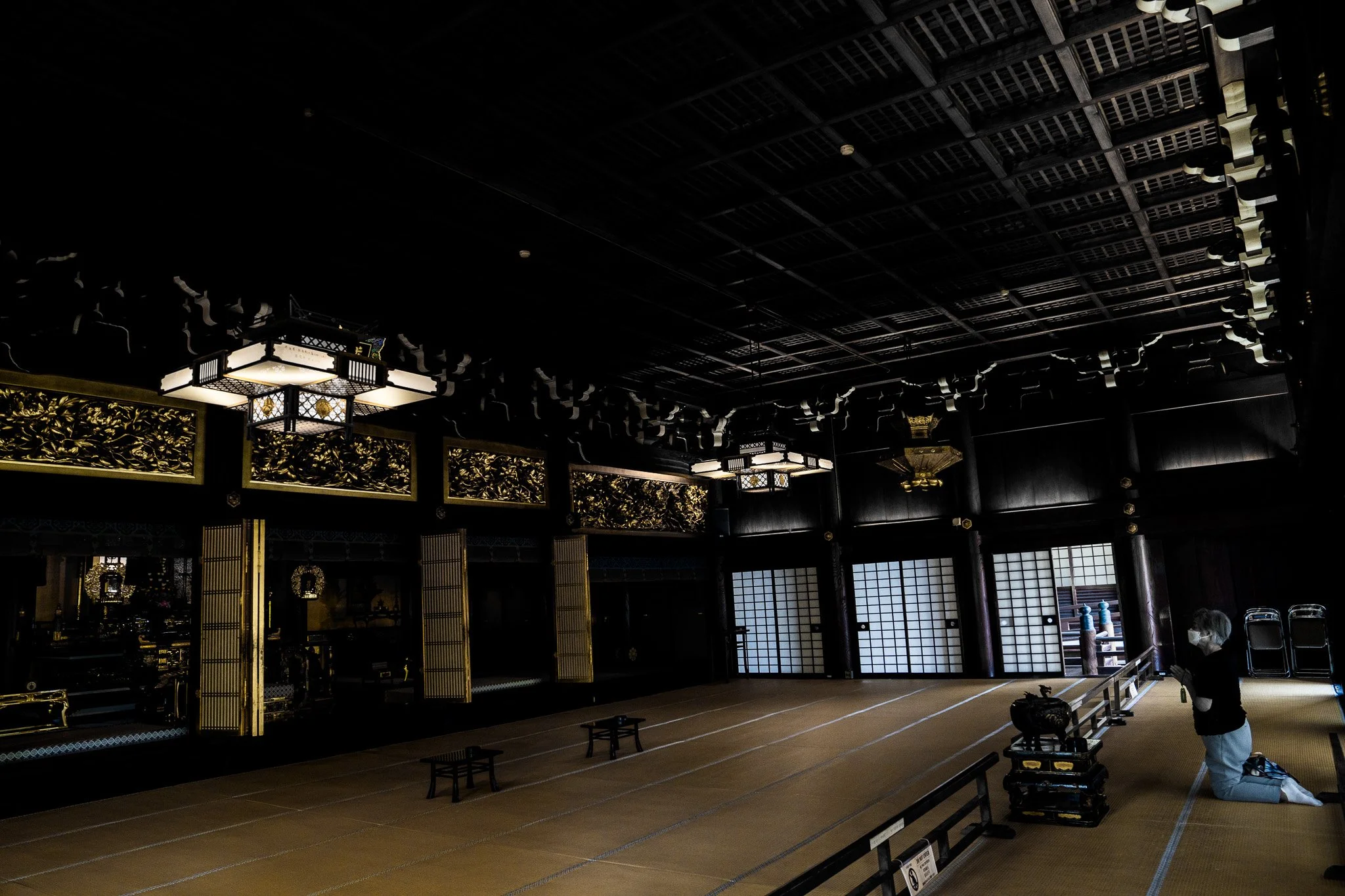
Inside, I could see a woman praying.
Surely there had to be a way in.
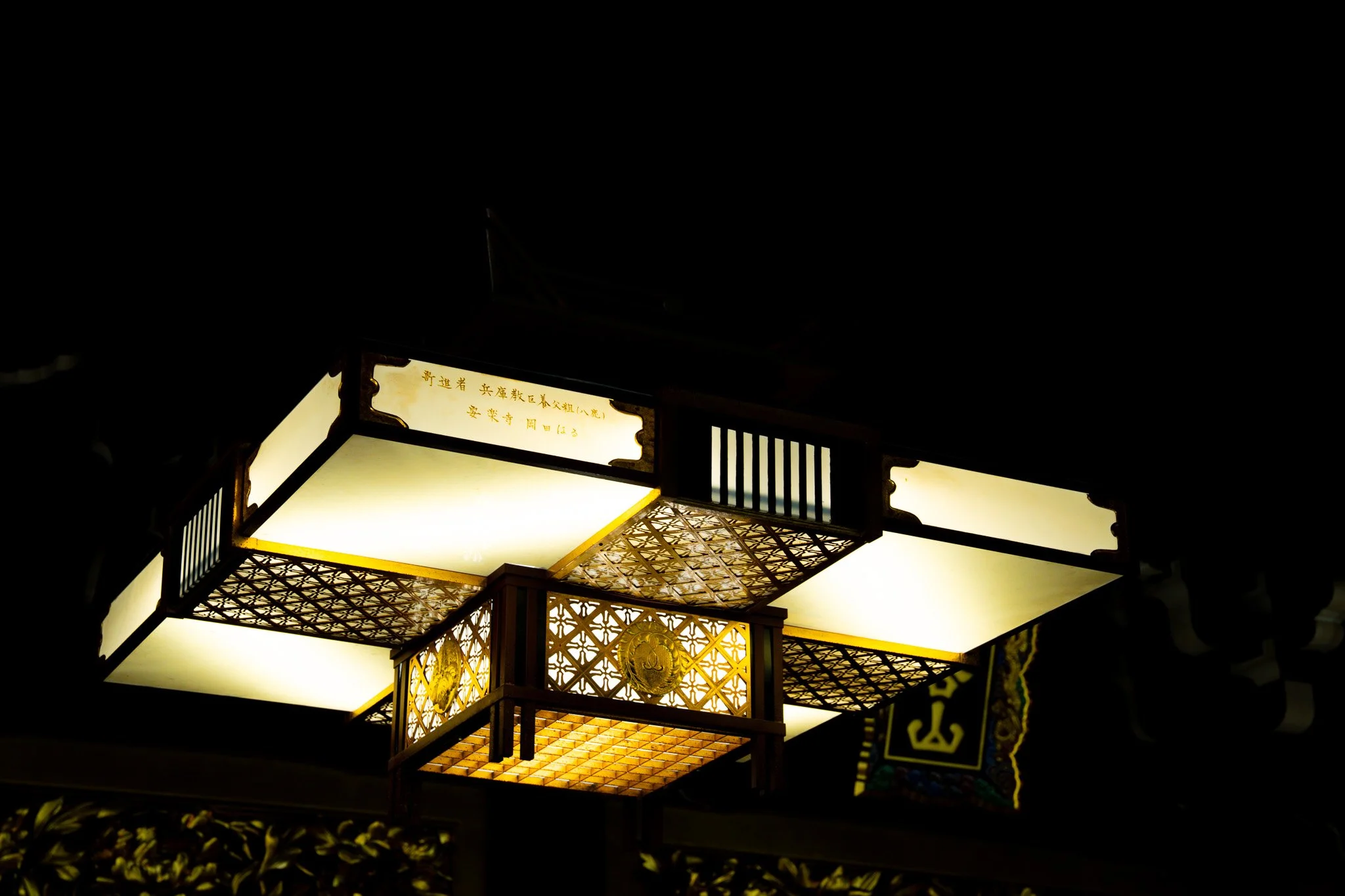
I walked around the building and eventually found an open doorway on the left-hand side. Standing at the entrance, I could see the woman kneeling alone in prayer. The hall was vast. Beyond the large empty space before her stood the altar, quietly dominating the room.
Not wanting to disturb her, I remained at the doorway.
I did not need to go inside.
Sometimes simply witnessing a place is enough.
As I stepped away from what I assumed was a prayer hall, another large wooden building caught my attention nearby. It was constructed in the same style and materials, yet unlike the first hall, this one was filled with people.
Intrigued—and still hoping to find a drink and perhaps an umbrella—I made my way towards it.
At first, I could not work out what was happening.
Groups of people, mostly middle-aged men and women, sat quietly waiting. The scene reminded me of a bus terminal, though I was fairly certain nobody was waiting for a bus. At one end of the building, several people were bent over tables writing something. At the other end, chairs and tables were occupied by visitors drinking tea and resting.
I wandered first towards the tea area, but found nothing I particularly wanted to drink, nor any umbrellas for sale.
Still puzzled, I headed towards the opposite end of the hall.
As I passed a woman who appeared to be a staff member, curiosity got the better of me.
I asked what everyone was waiting for.
She explained that they were visitors waiting to enter the cemetery to pay their respects to deceased family members and ancestors.
Suddenly the atmosphere made sense.
The waiting, the writing, the quiet conversations—it was all part of a ritual of remembrance.
As I thanked her and prepared to leave, she added that I was welcome to join if I was interested.
I smiled and politely declined.
Some experiences are meant to be observed from the edge rather than participated in.
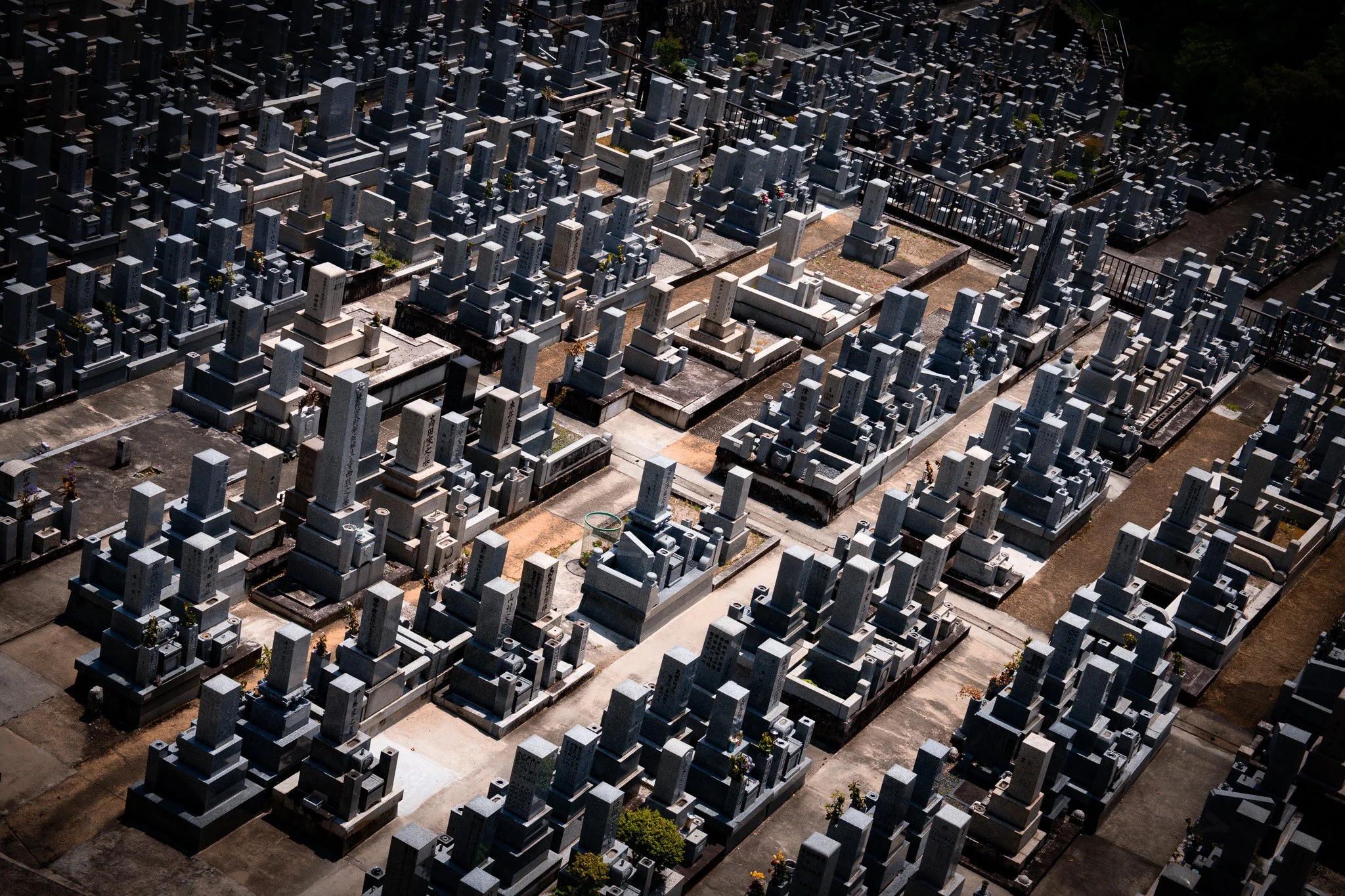
We continued our trek towards the temple, which I would later learn was part of the Otani Hombyo Temple complex. The route onwards led us steadily uphill, winding through streets lined with cemeteries and clusters of gravestones.
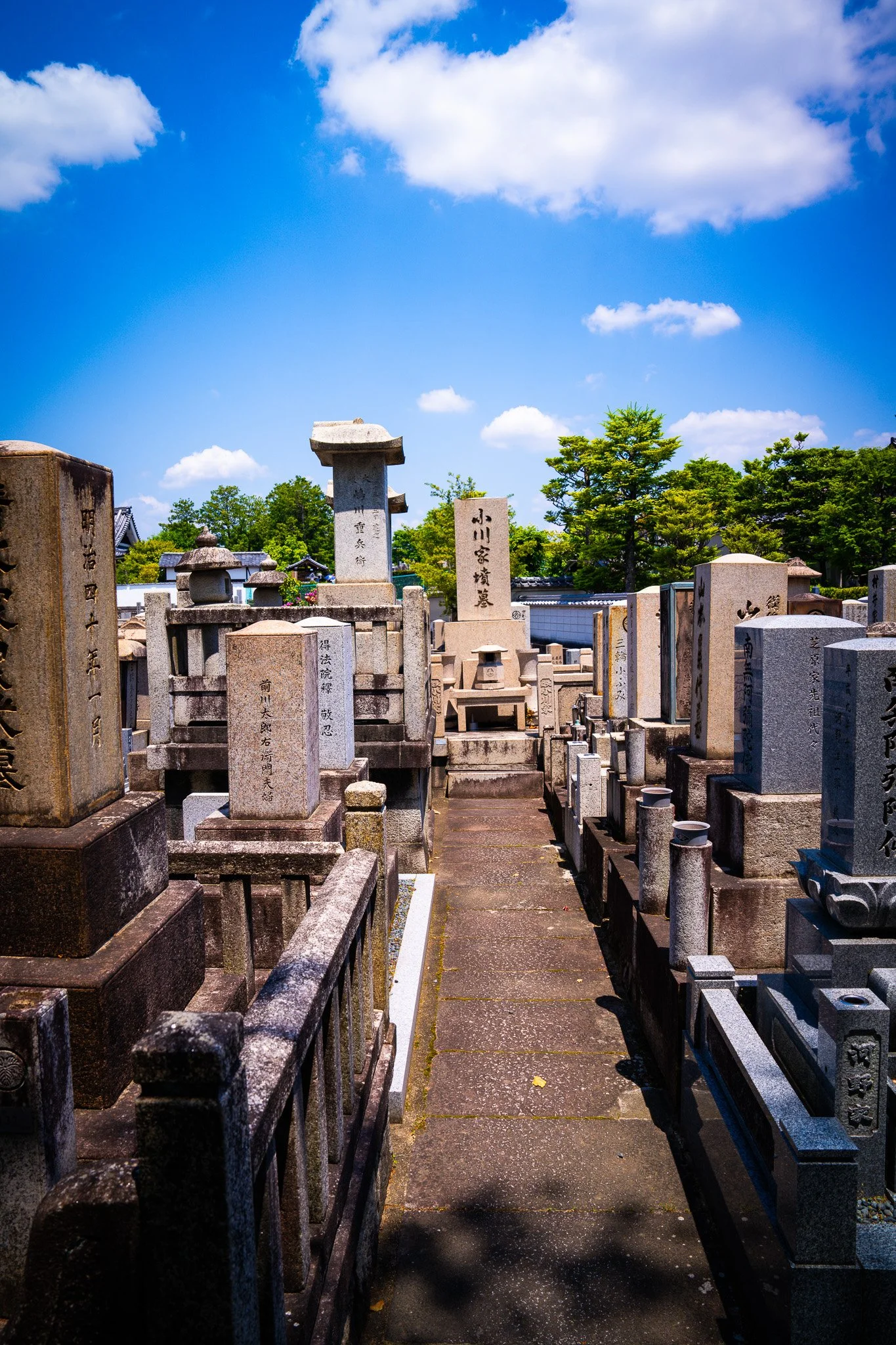
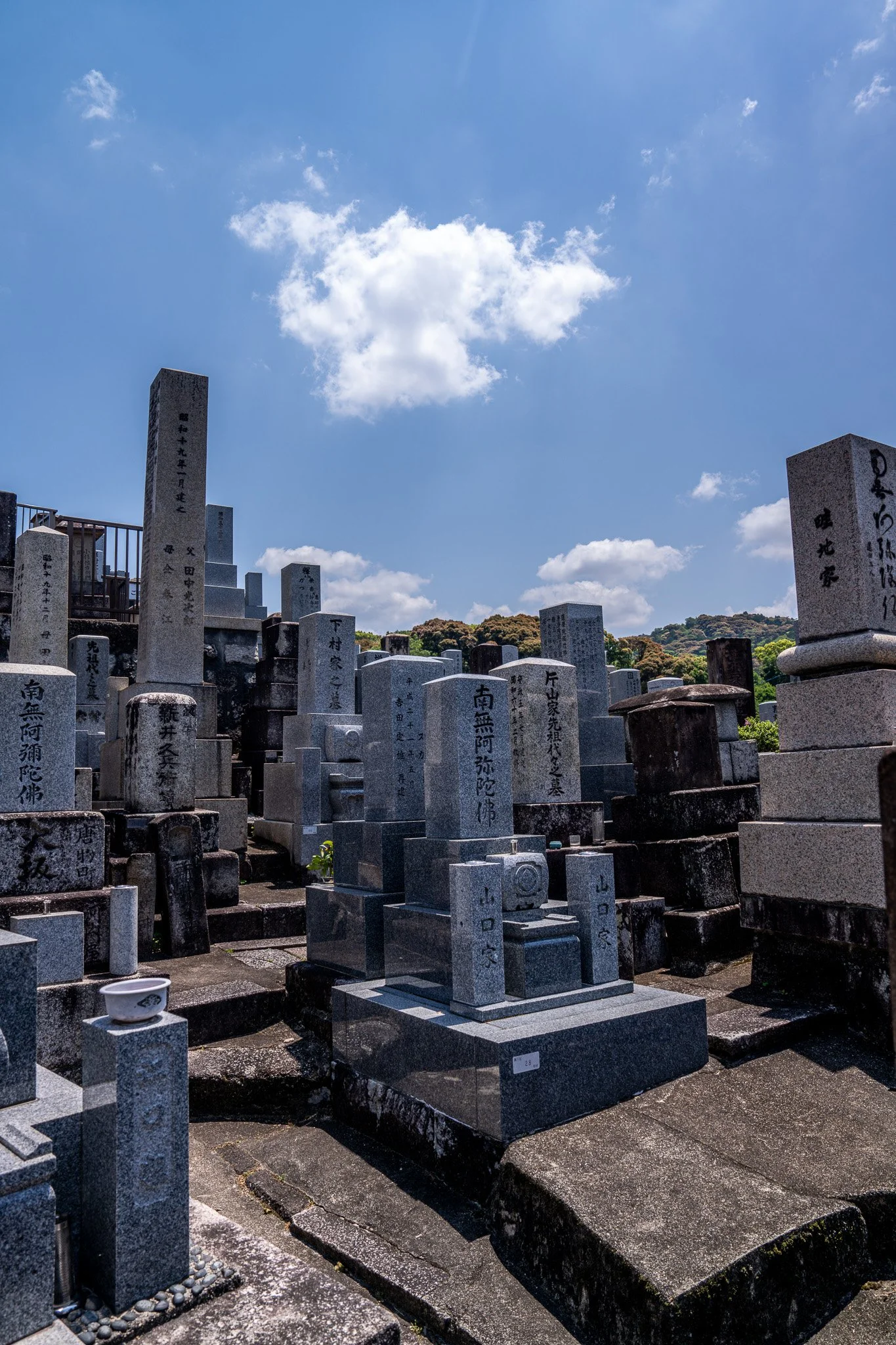
Suddenly, what I had seen earlier fell into place.
The people waiting inside the hall were not simply passing time. They were waiting for their turn to visit these graves, to pay their respects to family members and ancestors.
Seeing the gravestones immediately brought back memories of Koyasan, where the vast cemetery had been one of the highlights of my visit.
The comparison was unavoidable.
Koyasan had felt cool and tranquil. The paths were gentle, shaded, and inviting. Walking there had been part of the experience itself.
Here, the climb felt entirely different.
The road seemed determined to keep rising, and the heat magnified every incline. Each step felt heavier than it should have.
Gradually, the group pulled ahead.
I found myself falling further behind, stopping more often than usual, trying to conserve what little energy I had. My throat had become dry, and eventually I surrendered to the thirst.
For what I believe was the first time on this trip, I stopped at a vending machine and bought a drink.
It was a small thing, almost insignificant in any other context.
Yet at that moment it felt essential.
The cold bottle in my hand offered a brief reprieve from the heat. Standing in the shade, taking a few slow sips, I realised how quickly travel can humble you. On another day, in another city, a twenty-minute uphill walk would barely have registered. But travelling while unwell changes the scale of everything. Distances feel longer. Hills become steeper. Even simple decisions require more effort.
Refreshed, though only slightly, I resumed the climb.
The walk probably lasted no more than twenty minutes, but in the heat and in my condition, it felt much longer. The final stretch seemed endless, each turn revealing yet another section of road leading upwards.
As I left the cemetery area behind, the path gradually levelled out, a welcome relief to my tired legs and weary body.
The route wound through a cluster of buildings that looked very much like temples, their wooden structures partially hidden behind trees and walls. Under different circumstances, I would have slowed down to explore them. But I had lost sight of the group some time earlier, and the thought of falling even further behind persuaded me to keep moving.
So I pressed on.
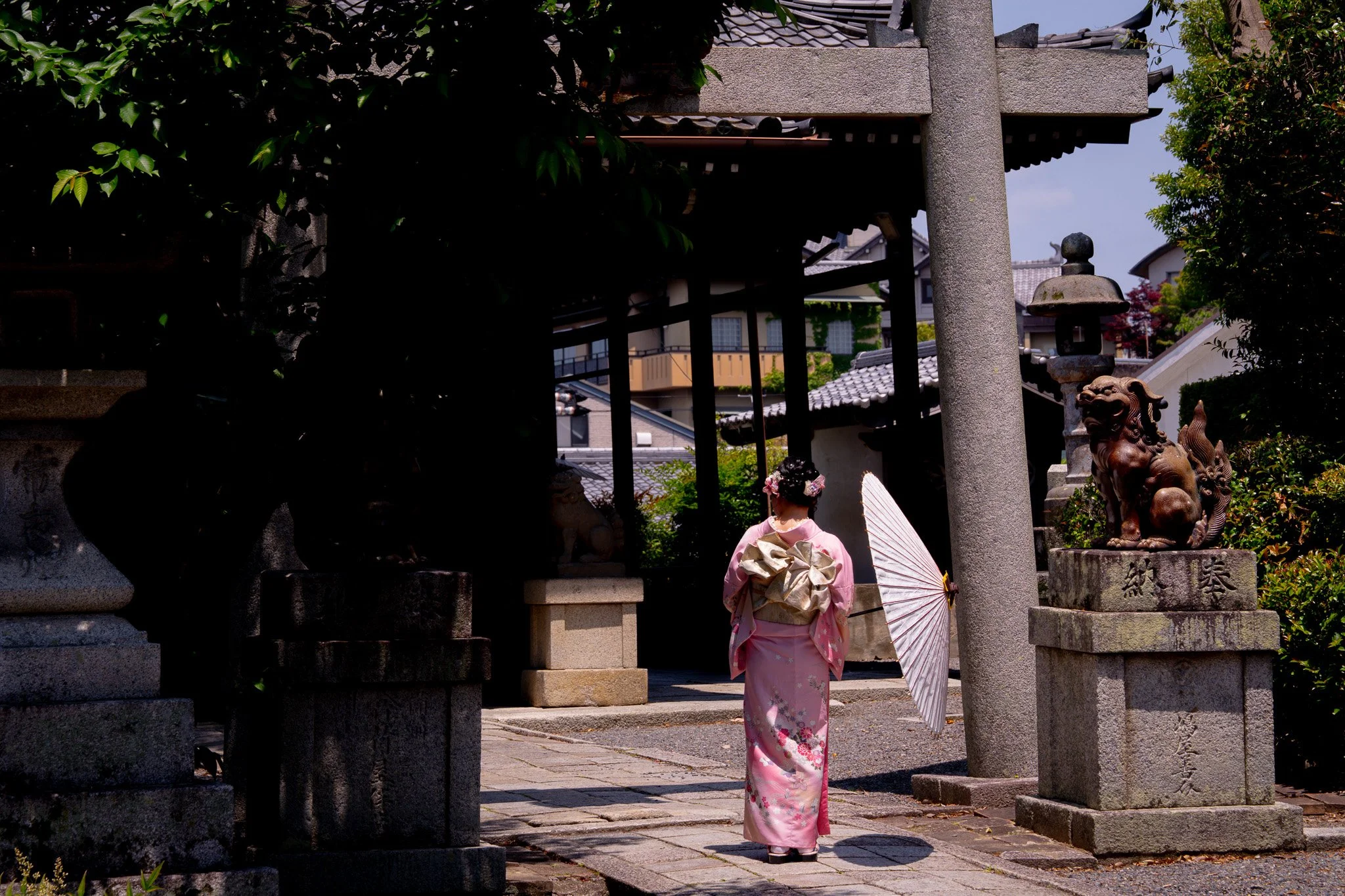
Then, at last, the path opened into a small garden.
And there they were.
My group.
Some were seated in the shade, others standing quietly, all taking a well-earned break while waiting for me to catch up.
A sense of relief washed over me.
Not only had I finally reached them, but for the first time since beginning the climb, I knew I could stop, rest, and simply enjoy being still for a moment.
As I sat down with the group, grateful for the chance to rest, I finally took the time to look around.
Yet nothing seemed familiar.
I studied the garden, the paths, and the surrounding buildings, searching for some spark of recognition from my previous visit to Kyoto. Nothing came.
Then, as I glanced upwards, I caught sight of the upper tiers of a pagoda rising above the trees.
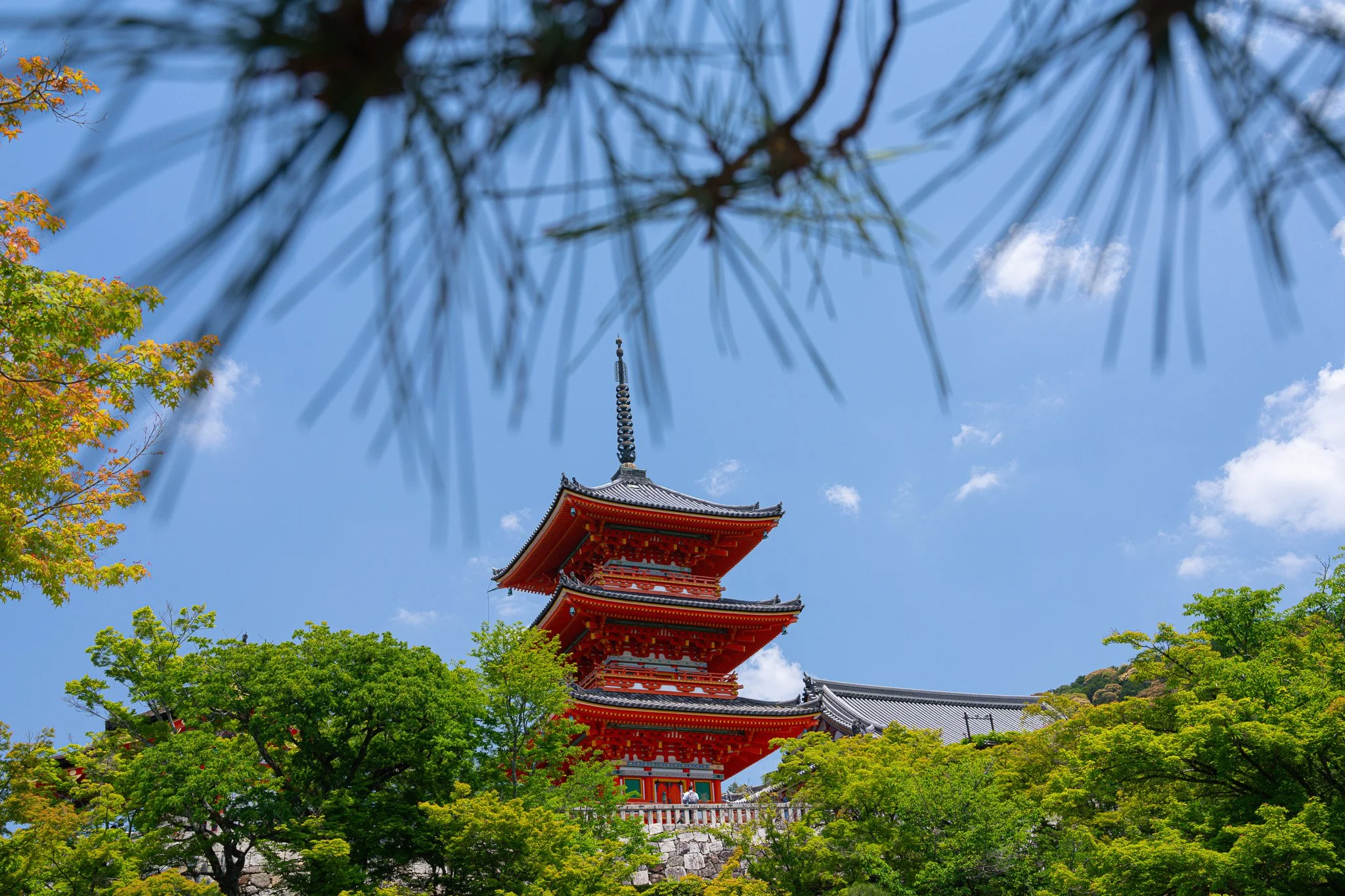
That felt familiar.
I was certain I had seen it before, though I could not immediately tell whether the memory came from my own travels or from the countless photographs and videos I had seen over the years.
For a brief moment, it hovered somewhere between memory and imagination.
One of the group pointed towards it.
That, we were told, was our destination.
I followed the line of sight and realised that reaching it would require yet more climbing.
My legs, which had only just begun to recover, were not particularly pleased by the news.
Fortunately, the climb was not as steep as I had feared.
As we drew closer and more of the building emerged from behind the trees, the sense of familiarity grew stronger. I knew I had seen it before, yet I still could not place it. The memory remained just beyond reach, teasing me with fragments rather than certainty.
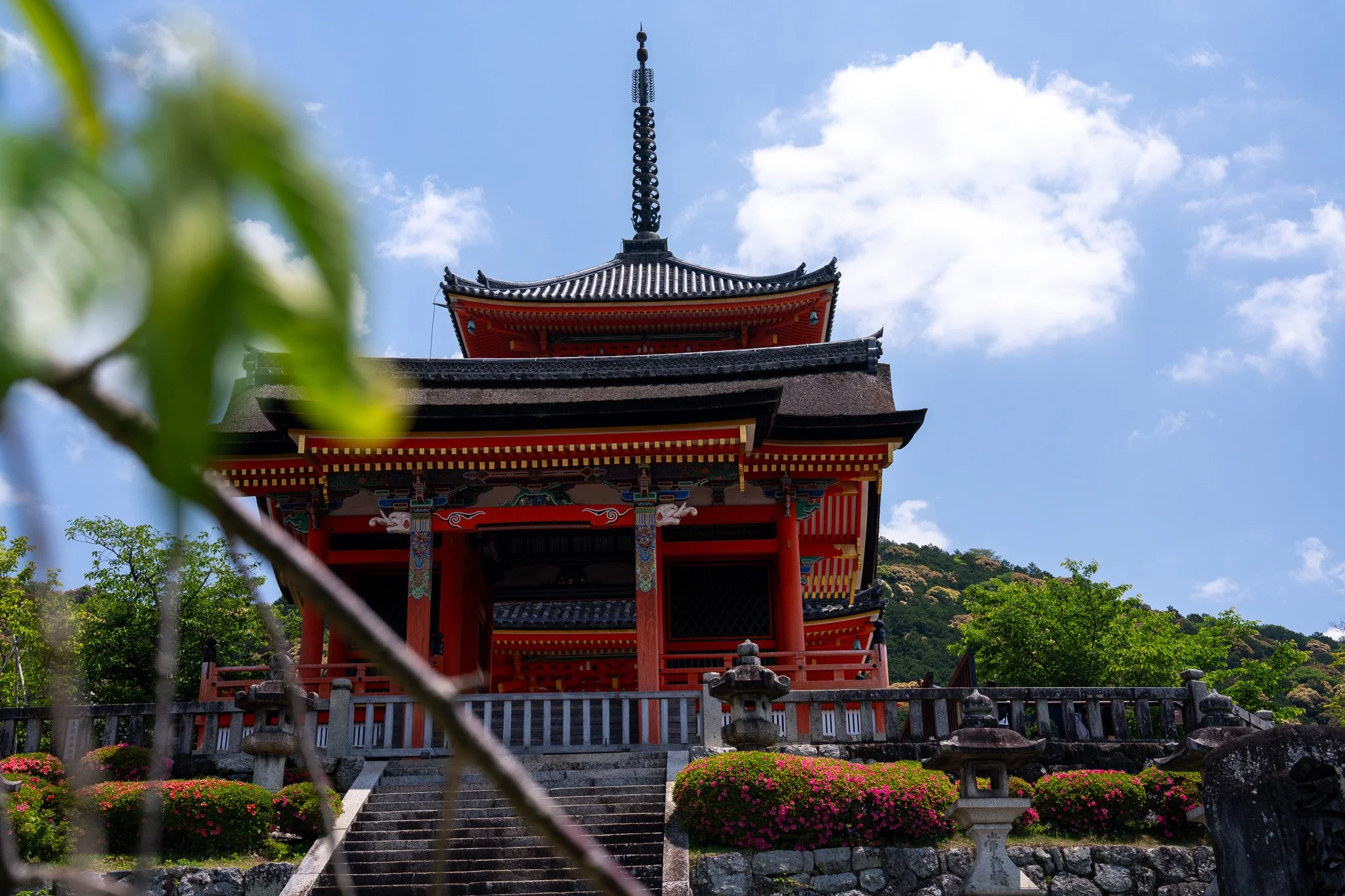
Then, standing directly before the vermilion structure, everything suddenly fell into place.
I had been here before.
Perhaps I had even stood on the very same spot years earlier.
Instinctively, I turned around.
Beyond the entrance building, the city of Kyoto stretched out below, just as it had on my previous visit.
And with that view, the memories came flooding back.
I remembered standing here gazing across the city, looking up at the sky as my attention drifted to a large bird circling overhead. At the time, I was convinced it was an eagle, soaring majestically above the temple grounds.
That moment had stayed with me.
Yet strangely, I had almost no memory of the building itself.
It made me realise how selective memory can be. Sometimes it preserves the smallest details—a bird in the sky, a particular feeling, a fleeting moment of wonder—while allowing the grandest structures to fade quietly into the background.
With memory returning, I now realised I had approached this place differently before.
On my previous visit, I had come up through the shop-lined streets of Kiyomizu-zaka and later taken a shortcut back towards Gion by pass the cemetery below.
This time, we were doing the reverse.
We would exit via Kiyomizu-zaka itself, continuing onwards towards the famous Sannenzaka and Ninenzaka.
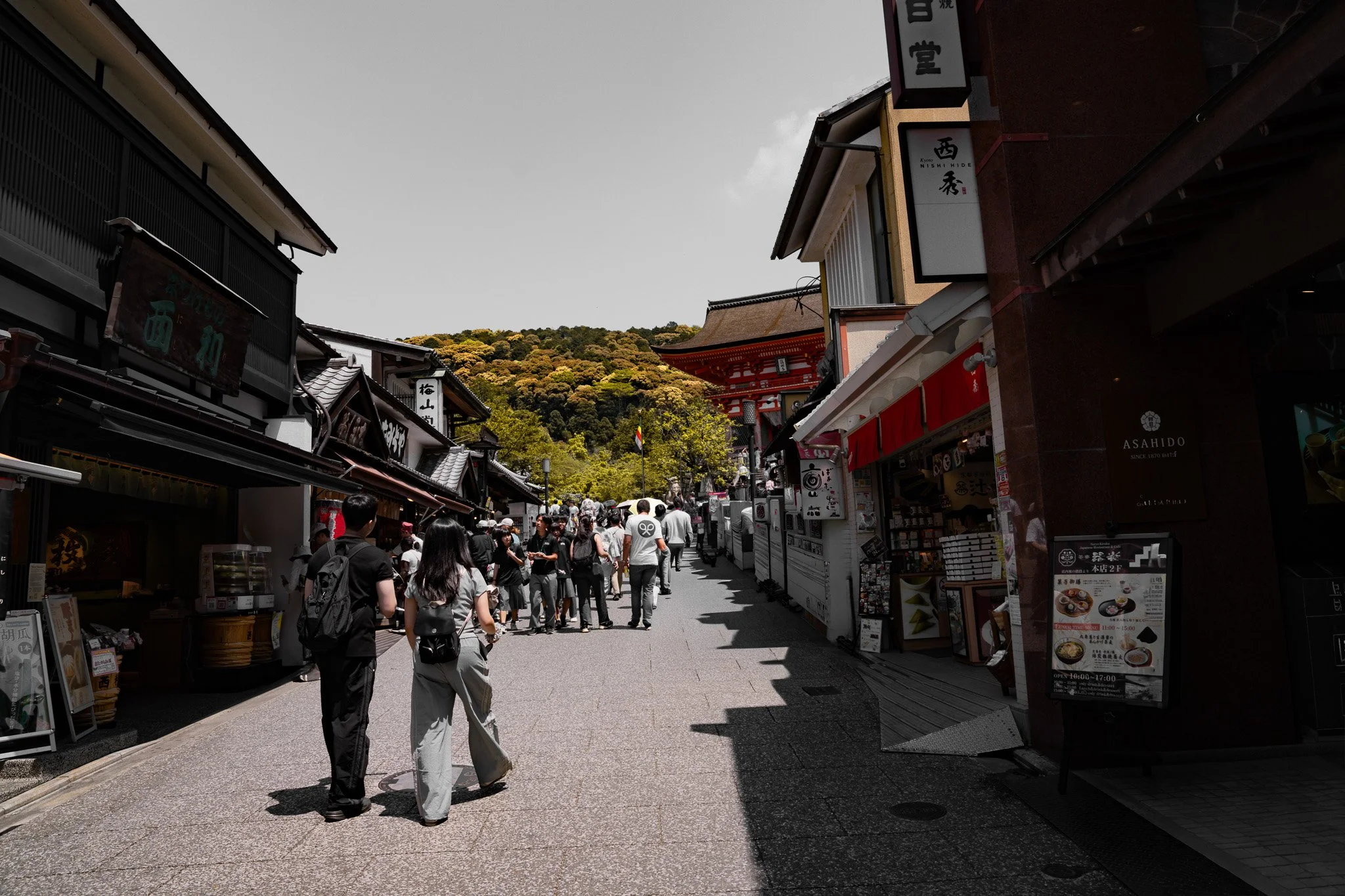
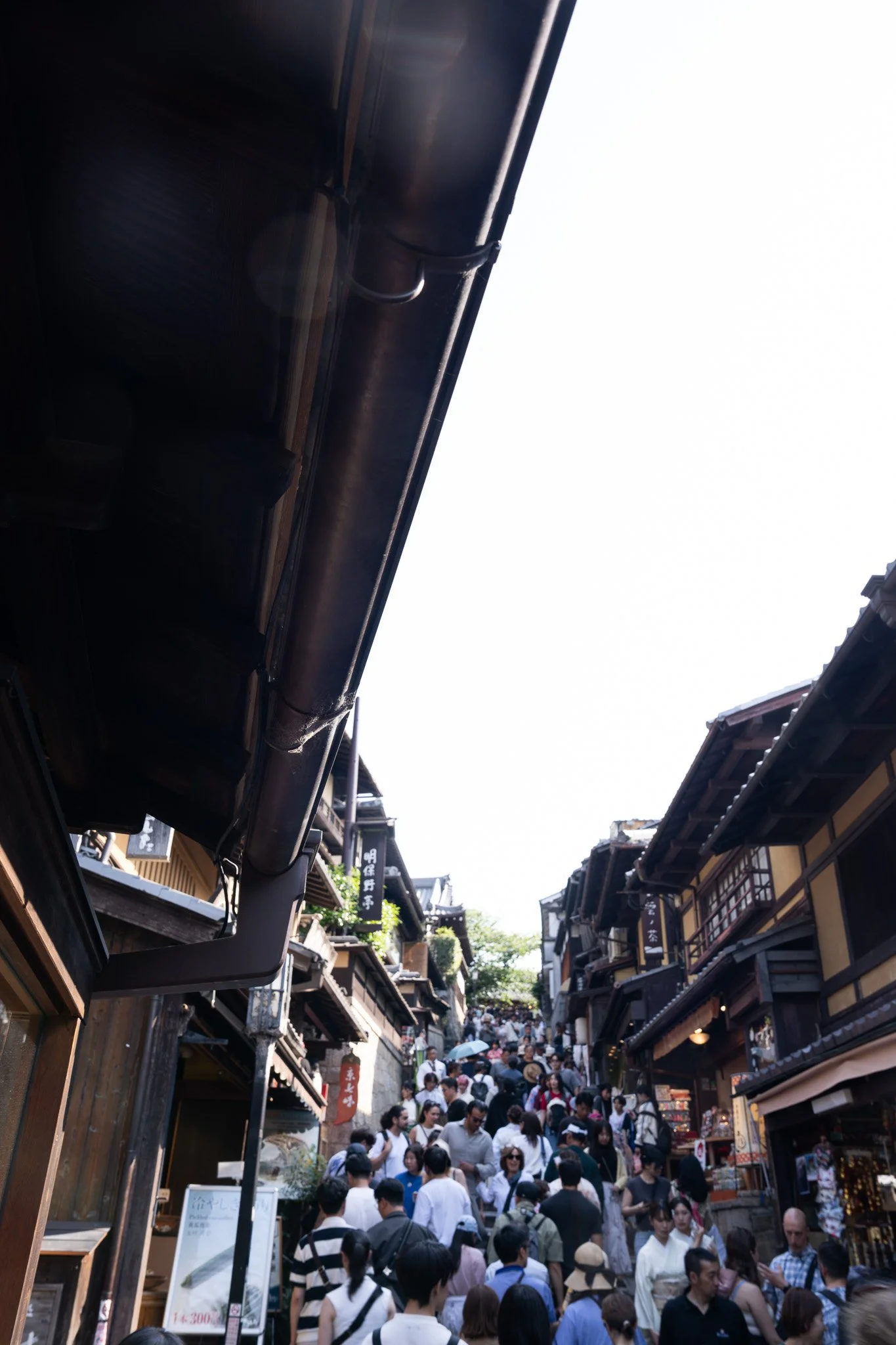
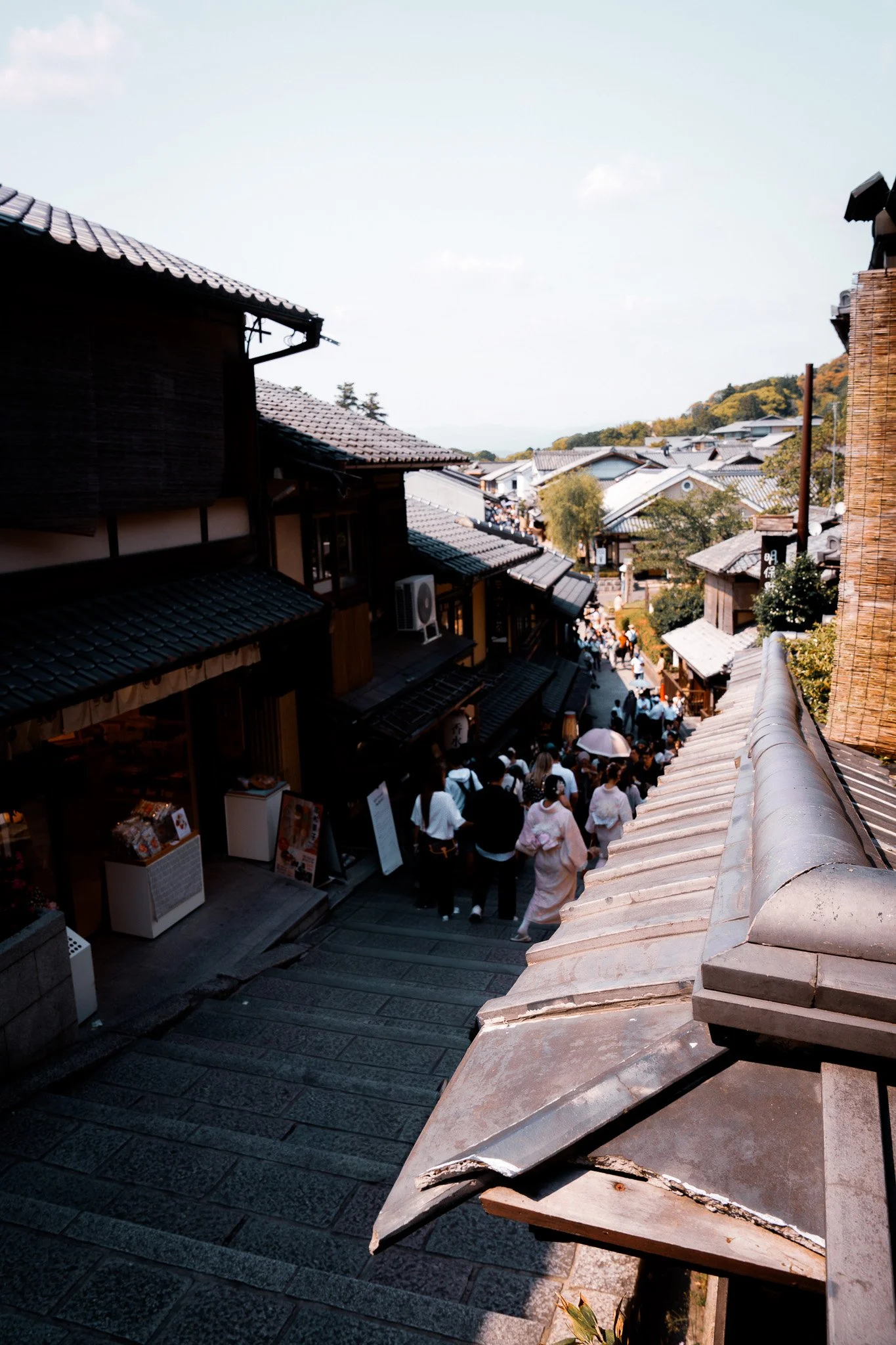
We spent hours on these three streets, drifting from shop to shop and sampling whatever was offered along the way. Free tastings of local sweets and souvenirs became part of the rhythm.
Our favourite was the mochi-wrapped confections.
We learned this was nama yatsuhashi — the unbaked version of Kyoto’s well-known sweet. Beyond the traditional red bean filling, there were variations with matcha, strawberry, chocolate, white and black sesame, and many others. Each of us selected a few favourites to share later in the evening back at the apartment.
One shop stood out immediately as we entered the street.
It sold fried fish cakes.
I recognised it at once.
Without hesitation, I knew I had to have it. Not because I had planned to eat it in Kyoto, but because the memory of its taste came back the moment I saw it.
It tasted exactly as I remembered.
This trip had already begun to teach me something subtle about taste and memory — that a first impression of flavour often becomes the version you carry forward, and yet a second encounter rarely feels identical. It is as if memory preserves a single, fixed version of taste, resistant to repetition.
Soft serve ice cream is another example.
It is something I always find myself drawn to. Among the many flavours I have tried — matcha, ube, chocolate, black sesame, sweet potato, chestnut — the one I consistently return to is plain milk.
The best I have ever had was at the top of the observation tower in Sapporo.
It was late at night, and the air outside was cold enough that I hesitated. I had just come down from the open viewing deck and was waiting in line for the cable car when I noticed a small shop selling only soft serve.
I almost did not buy it.
The sign said it was made with the finest Hokkaido milk.
That was enough to convince me.
It turned out to be one of the best I have ever had — soft, creamy, cold, and carrying a clean milky flavour that lingered without overpowering. It stayed on the palate just long enough before fading gently.
What I remember most is not just the taste, but the contradiction.
I was cold, and I had no reason to want something colder. Yet somehow, that soft serve made me forget the cold entirely.
As we approached the end of the street, I was exhausted. All I wanted was to sit down.
But as we had discovered throughout Japan, seating in public spaces—especially in busy tourist areas—is surprisingly scarce. There are few places designed for lingering.
I found myself scanning for anywhere I could pause without feeling out of place or drawing attention from shop owners or passing visitors.
Eventually, I noticed a stretch with no signs discouraging sitting. The problem was the sun. It was unshaded, and the late afternoon heat still pressed down heavily on the pavement.
The shaded areas nearby offered relief, but no seating—only walls.
So I leaned against one of them and waited, half in shade, half in heat, watching the rest of the group drift in and out of shops, still browsing, still moving.
By then, I could feel my body beginning to slow in a more noticeable way. Not just tiredness, but a kind of shutdown that comes after too much walking in heat and fatigue.
The group continued moving through shops.
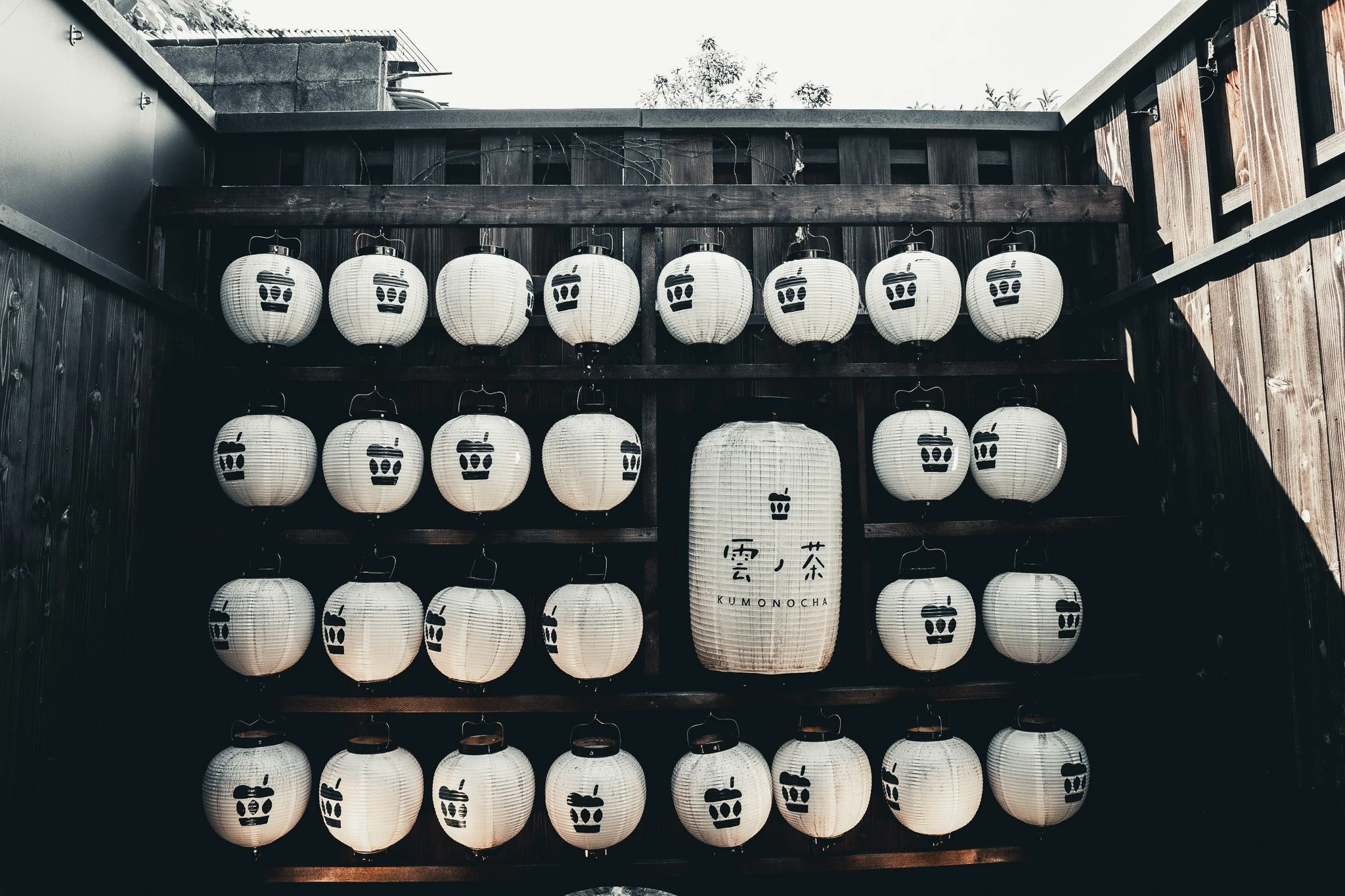
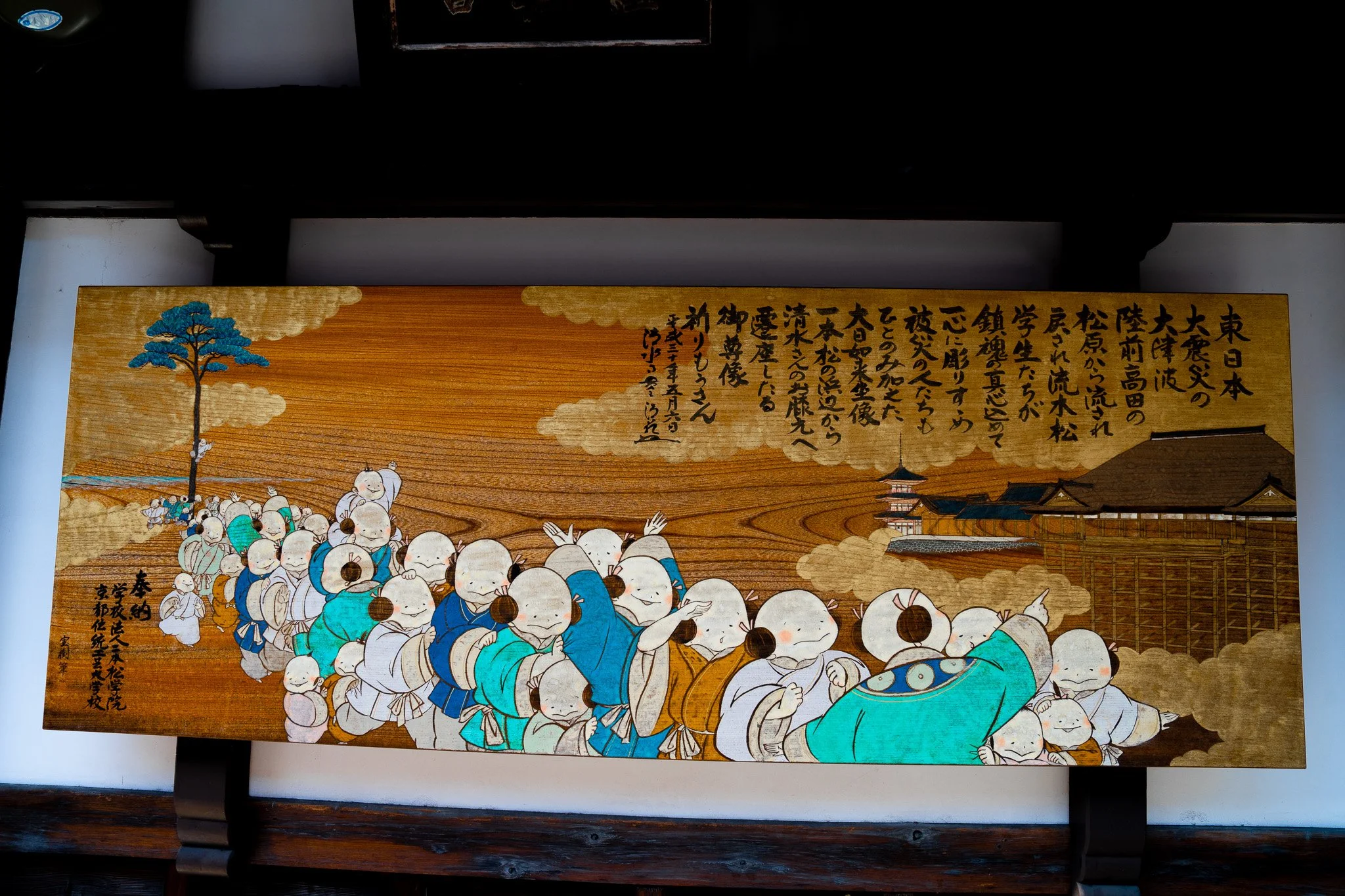
Not long after, my partner joined me. She had reached the same point.
We stayed there for a while, leaning in the shade, letting the heat of the day slowly lose its grip on us.
The pace of the group had already begun to fragment slightly—people drifting in and out of shops at different speeds, interest pulling each of us in different directions. What had started as a shared movement now felt looser, more dispersed.
In that pause, I realised the day in Kyoto was no longer about following a clear route from one place to another. It had become something more fluid—shaped as much by fatigue as by intention.
When we eventually pushed ourselves off the wall and started moving again, it was less of a decision and more of a continuation.
Kyoto, it seemed, would not be experienced in straight lines.
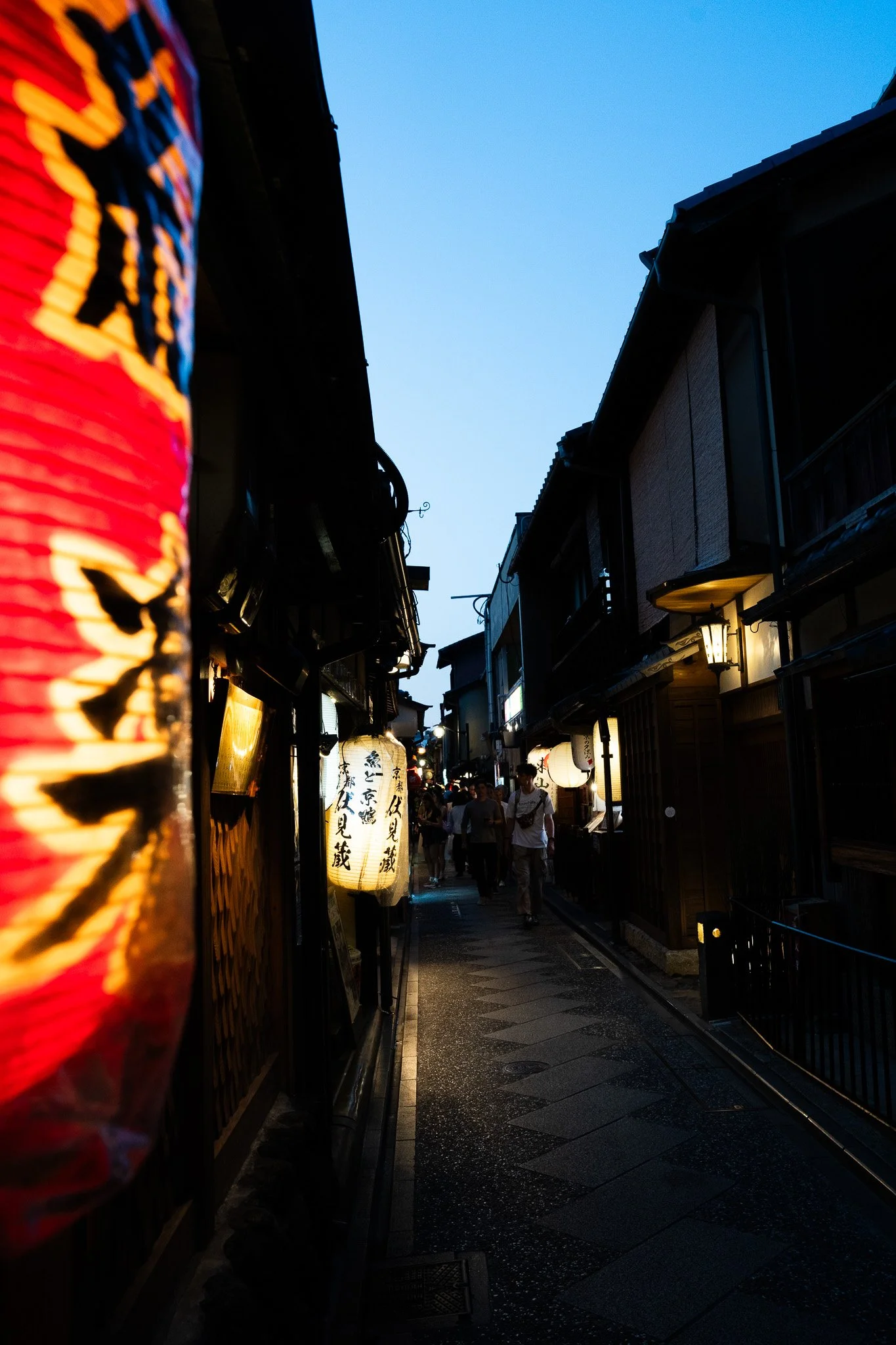
Realising that both of us were completely drained, the group decided to head back towards Gion and look for an early dinner before returning to Osaka. Pontocho Alley became the natural choice — close by, familiar, and lined with restaurants that usually offered something promising.
It should have been a short walk.
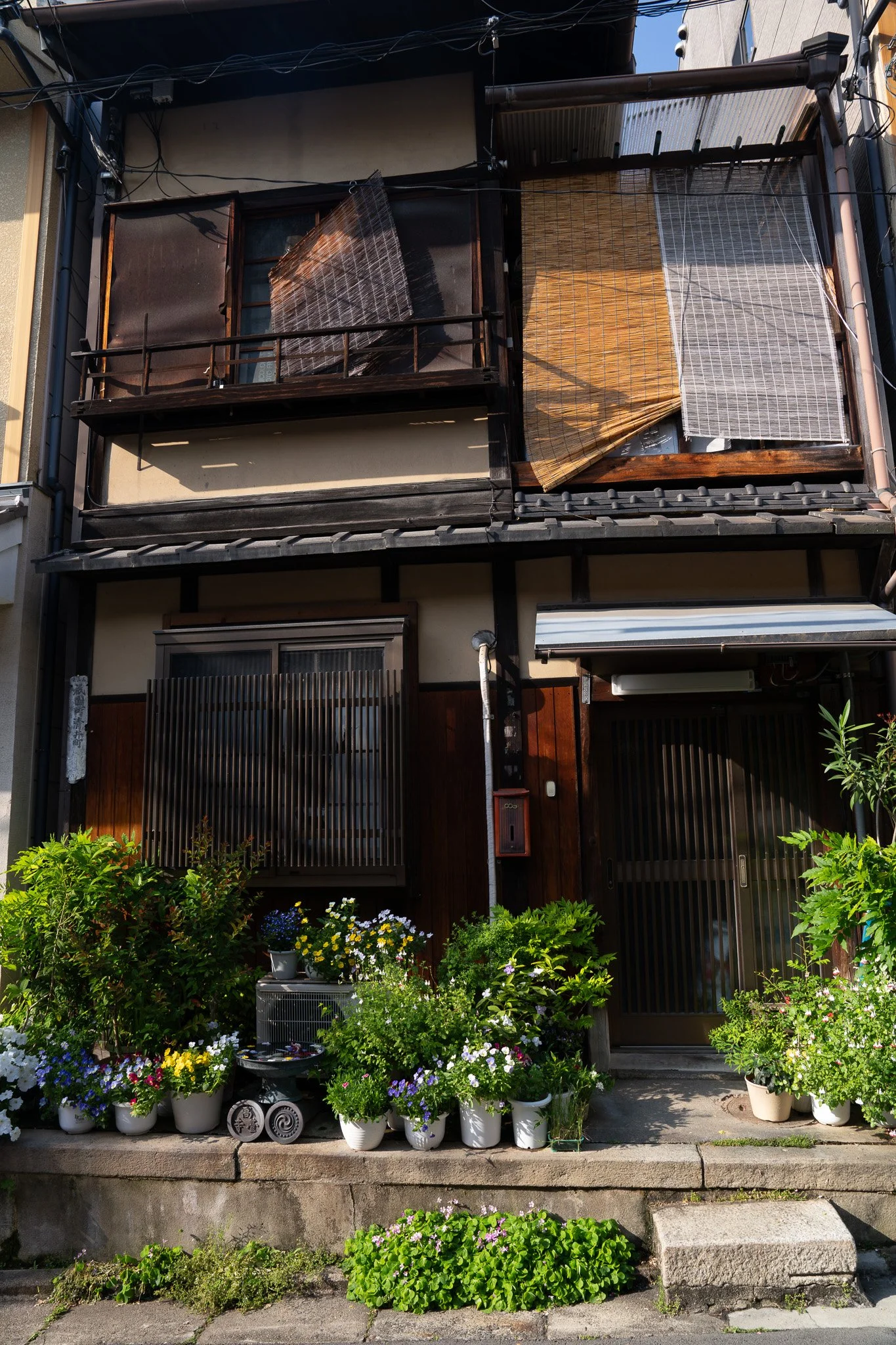
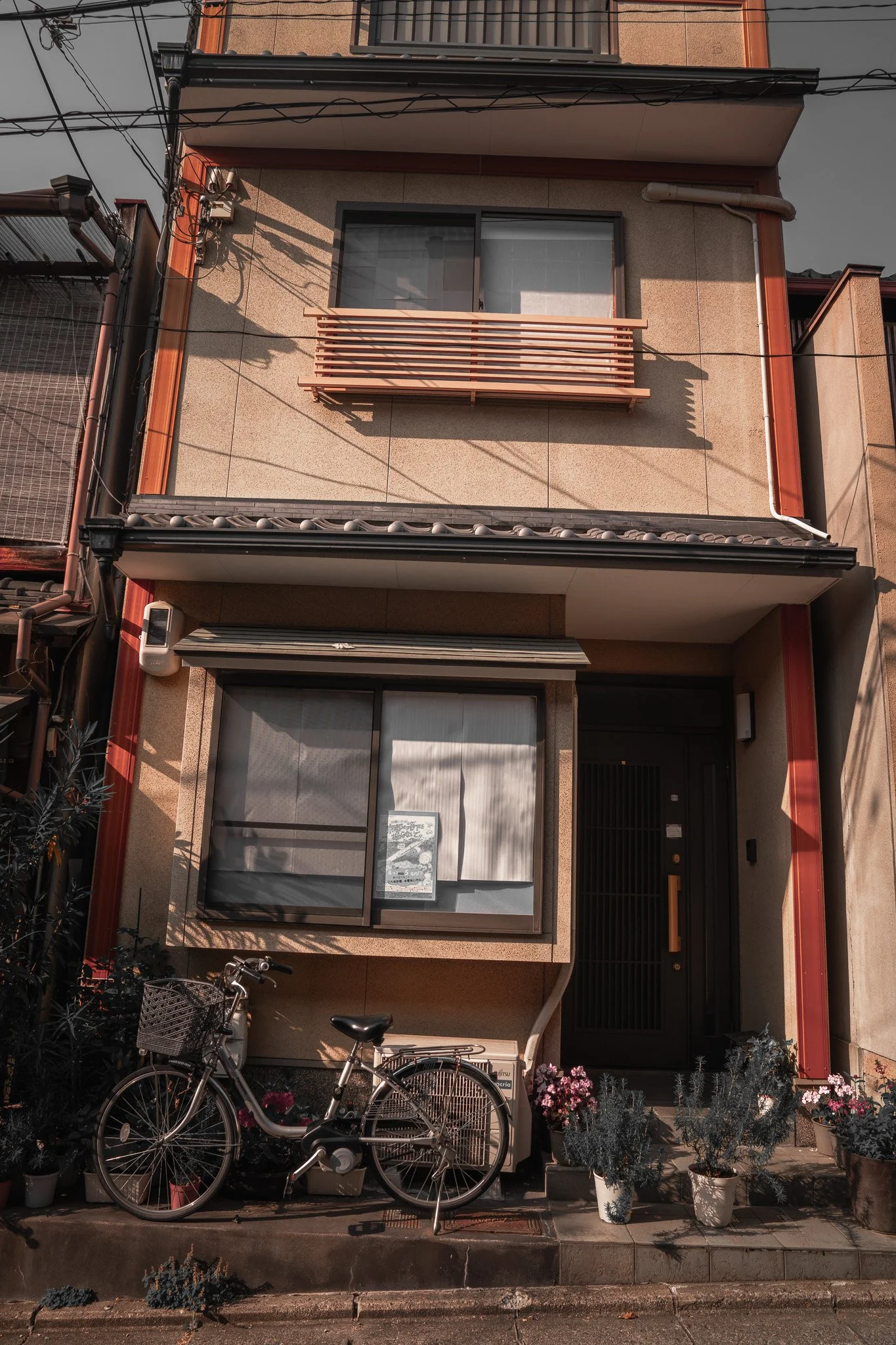
But as we made our way across the Kamo River, the fatigue caught up with me in full. More than hunger or indecision, it was the simple desire to stop moving — to sit down, or even lie still, and close my eyes for a while. Nothing else seemed to hold much weight in that moment.
Yet I kept pace with the group, still moving out of habit more than intention.
A few restaurants we considered were already full, with waiting times stretching for hours. Under normal circumstances, I would have suggested making a booking and wandering around in the meantime. But today, that thought didn’t come.
All I wanted was to go back to the apartment.
After searching for a while, some of the group decided to move ahead more quickly, leaving the two of us behind with the promise that they would return once they had secured seats somewhere.
We stayed where we were, not really moving, just holding our place in the flow of people passing through.
Eventually, one of them came back. They had found a restaurant that could take us in, with a waiting time of around half an hour to an hour. The more important detail, though, was that there were seats available inside while we waited.
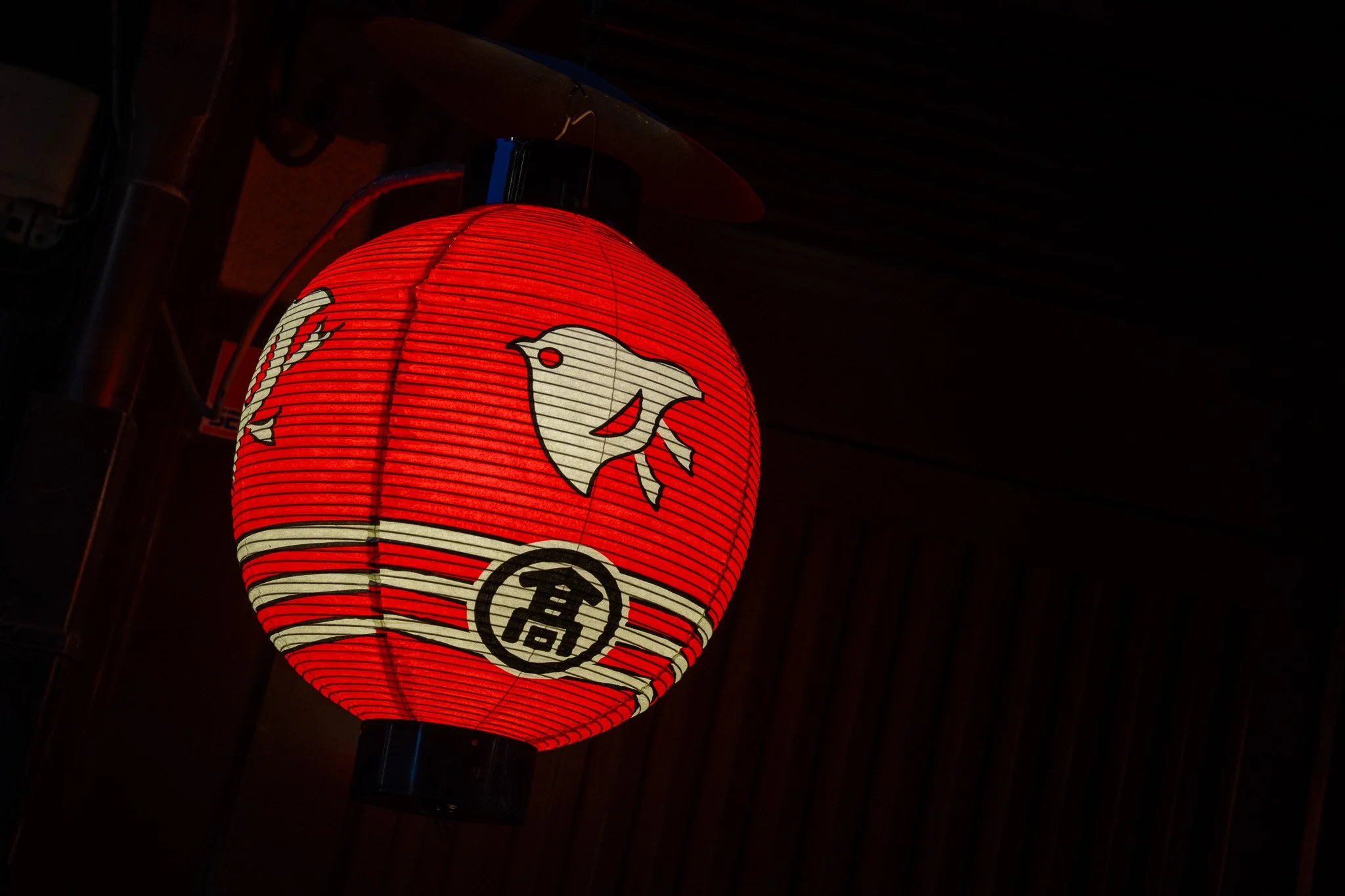
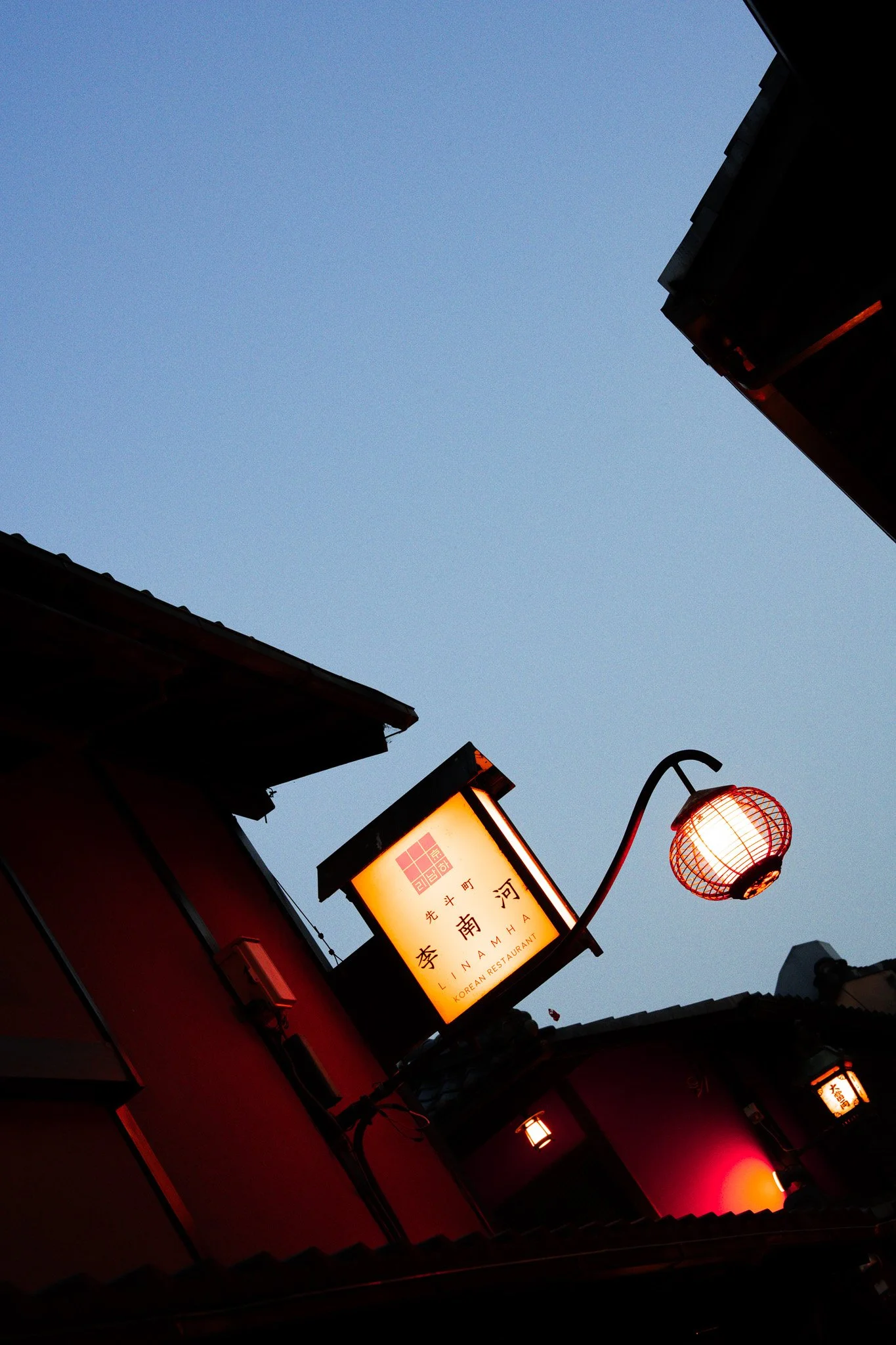
At that point, that mattered more than the meal itself.
I did not mind waiting at all, as long as I could sit down.
Once I finally sat, I closed my eyes.
And just like that, I drifted off to sleep.
I was woken when the waiter informed us that our table was ready.
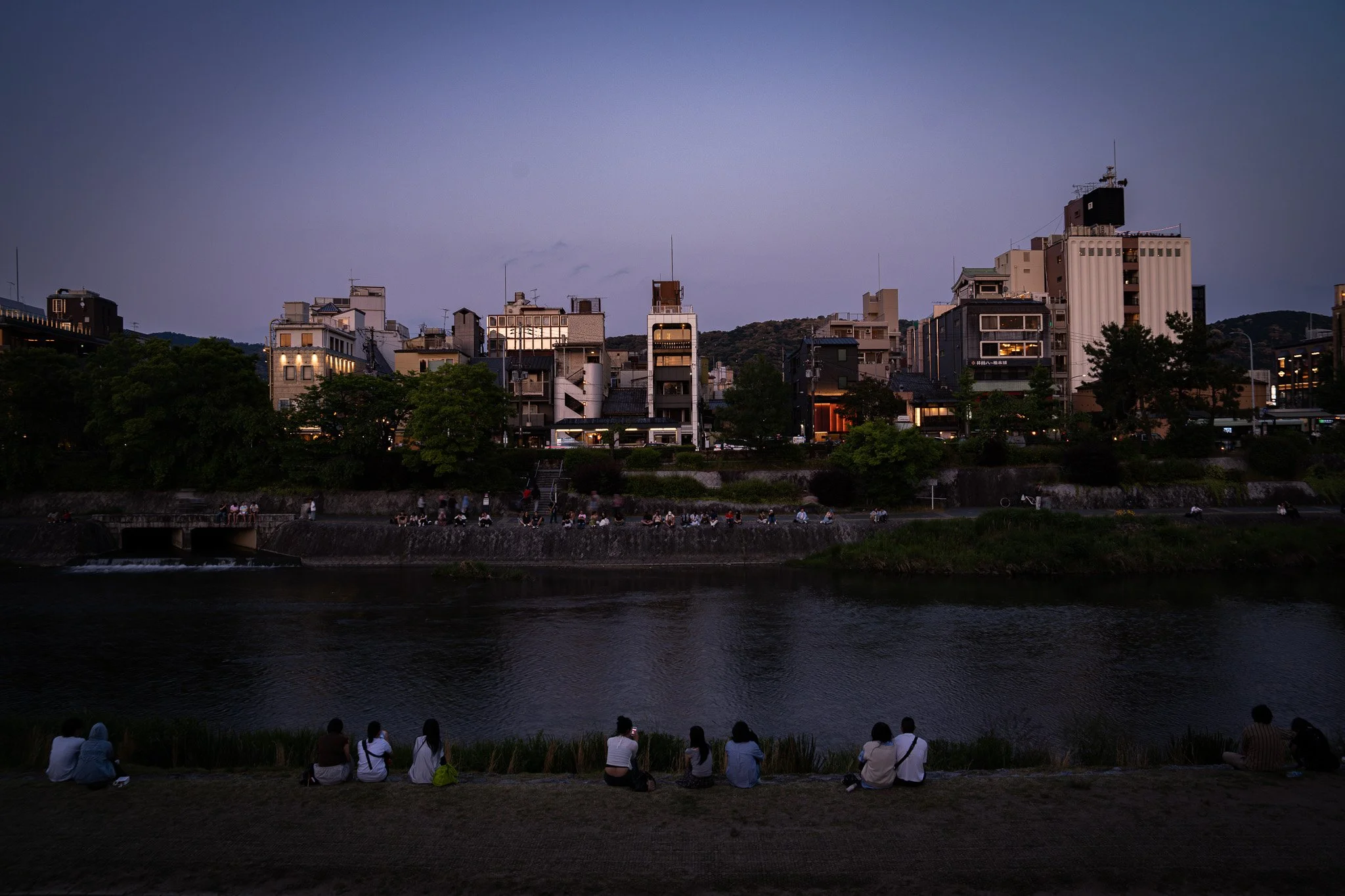
Even after that short nap, I still felt completely exhausted — the kind of fatigue I could not remember experiencing before. It wasn’t just tiredness in the usual sense; it felt like all remaining energy had quietly drained away, leaving only the effort required to keep moving.
Surprisingly, after initially forcing myself to take a few bites, the energy gradually returned. The heaviness that had been pressing on me slowly began to lift, and by the middle of the meal I felt much more like myself again.
Perhaps the fatigue had been a combination of the cold I was developing and the irregular way we had been eating. For days, it had mostly been quick bites here and there, often without enough water or proper meals at regular times.
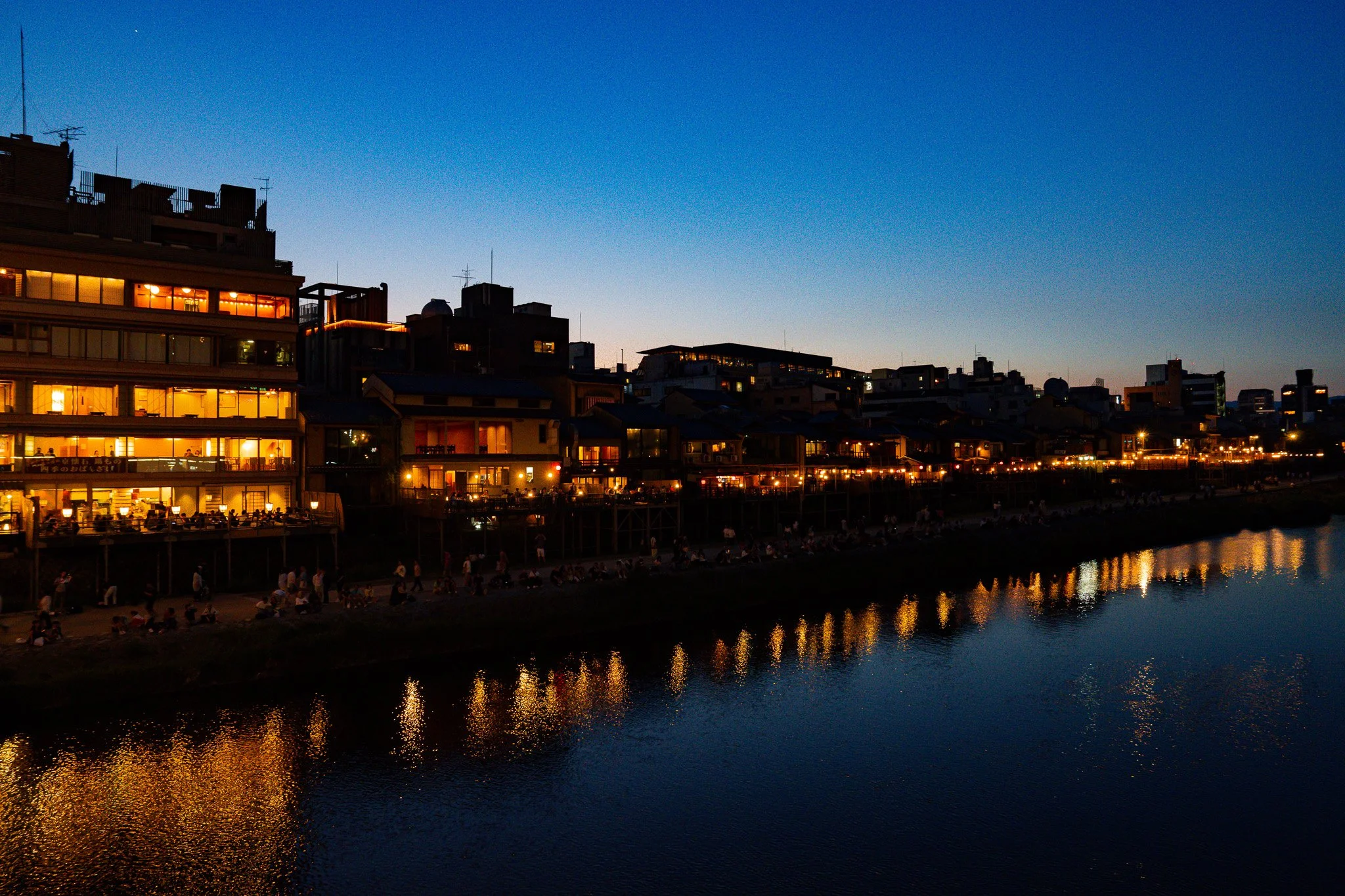
In hindsight, it was likely the rhythm of group travel that contributed to it. On solo trips, I would naturally pause, rest, and eat properly when needed. But in a group, you tend to move with the flow, following the collective pace rather than your own needs.
And somewhere along that rhythm, my body had fallen behind.