Two Weeks Across Japan - Osaka: The Shape of Familiar Streets
Our departure from Hiroshima was unhurried. No one felt particularly compelled to spend another day in the city, and so we booked ourselves onto an earlier Shinkansen to Osaka.
By now, moving between cities had become almost routine. Yet there was still one aspect of Japan's rail system that continued to puzzle us: luggage reservations.
Before the trip, we had read numerous articles warning travellers that oversized luggage required a reservation on certain Shinkansen services. The advice was clear enough, but the practical details were less so. We knew we needed luggage storage. What we were less certain about was what exactly we were reserving.
On our journey from Fukuoka to Hiroshima, we had specifically requested luggage storage when collecting our tickets. The staff assured us everything was arranged.
Only after boarding did we discover what that reservation actually meant.
The storage space behind the final row of seats was not a separate area that could be booked independently. Instead, the reservation was attached to the seats themselves. If you reserved the luggage space, you were also assigned seats in the last row.
The arrangement made perfect sense once we understood it.
Large suitcases stored behind the seats reduced the ability of those passengers to recline fully. By allocating both the seats and the storage area together, the railway avoided potential disputes between travellers.
Looking back, it seemed obvious.
Yet it was one of those small details that never appeared clearly in the travel guides we had read beforehand.
So when it came time to travel to Osaka, we knew exactly what to request. Rather than simply asking for luggage storage, we made sure all of us were seated in the final row.
It was another small lesson learned along the way.
Travelling in Japan often felt like that — not difficult, but full of tiny systems and unwritten assumptions that only became obvious after you had experienced them once.
The marvel of Japan railway system was the trains arrived at the station on the dot it advertised. Rarely did it was late. If it was late, there was a good reason for it. We did experienced the train being late by hours on our last trip. That because there was major accident happened that blocking the railway.
The Shinkansen delivered us smoothly into Shin-Osaka Station.
Despite having visited Osaka twice before, I still found myself confused by the relationship between Shin-Osaka, Osaka Station and Umeda. Somehow they always seemed to blur together in my memory. It would only be later in the trip, when I found myself exploring alone, that the distinctions finally began to make sense.
For now, we had a more immediate challenge.
Like many major transport hubs in Japan, Shin-Osaka seemed to operate on multiple layers at once. Underground passages branched into more passages, signs pointed in every direction, and streams of commuters moved with the confidence of people who knew exactly where they were going.
Somehow, we navigated our way through it all.
Unlike the previous cities, we would not be staying in a hotel. Instead, we had booked an apartment. The owner had thoughtfully sent detailed instructions explaining how to reach the building. Not just which train line to take, but which station to exit at, which gate to use, and even photographs of landmarks we were expected to pass along the way.
The instructions were familiar.
I had received similar directions during previous trips and had learned an important lesson: in Japan, these directions were often written with remarkable precision for a reason.
A small deviation could place you on the wrong side of a station, the wrong street, or even the wrong block entirely. What looked like a shortcut on a map could easily become a much longer walk in reality.
I had learned that lesson the hard way before.
With my Google Maps still refusing to cooperate properly, I relied heavily on the owner's instructions and shared them with the group.
Then one of us noticed an alternative route.
Google suggested a shorter walk if we exited at a different station.
The proposal seemed reasonable enough.
Without a working map of my own, I had little basis to argue otherwise, so I followed along.
At first, everything seemed fine.
Then we emerged from the station.
Immediately, something felt wrong.
None of the landmarks looked familiar.
None of the buildings resembled the photographs we had been sent.
The convenience stores were different. The intersections were different. Even the general feel of the streets seemed unfamiliar.
Still, Google Maps insisted we were heading in the right direction.
So we kept walking.
The further we went, the stronger the feeling became that we were seeing a version of Osaka we had not been meant to see.
Then I spotted something familiar.
A light green overpass.
It looked remarkably similar to one of the reference photos the apartment owner had sent us.
Immediately our confidence returned.
"There it is."
At least that was what we wanted to believe.
Buoyed by this small victory, we continued walking, convinced that the apartment building must be just around the corner.
Yet the closer we came to the overpass, the less certain things became.
The surrounding buildings did not match the photographs.
The intersections felt wrong.
Every now and then we would catch sight of something that vaguely resembled one of the reference images, only to discover upon closer inspection that it was not the same place at all.
For a few minutes, we seemed trapped in a strange cycle of hope and disappointment.
"There."
"No, not that one."
"What about that building?"
"No, that's different."
The city was teasing us with familiar shapes without ever revealing the real destination.
Then came the shout from ahead.
"We've passed it!"
At almost the exact same moment, an unexpected voice addressed me.
The man spoke in Mandarin.
Under normal circumstances, I might have struggled to follow the conversation. But the weeks spent navigating China using my limited Mandarin suddenly became useful. I could not understand every word, yet I understood enough.
He was asking what I was looking for.
I showed him the address on my phone.
Without hesitation, he took out his own phone and searched for it.
A few moments later he looked up and smiled.
Good news.
We had not wandered nearly as far off course as I had feared.
He pointed back the way we had come.
The building was at the very first intersection we had passed.
We had been searching for it while unknowingly walking away from it.
Relief swept through the group almost immediately.
After all the uncertainty, the destination had been there the whole time, quietly waiting while we chased landmarks and trusted shortcuts.
It was another reminder that travelling often unfolds that way.
You follow maps, signs and assumptions, only to discover that sometimes the thing you are looking for is much closer than you think. And occasionally, it takes the kindness of a stranger to help you see it.
The apartment was still being cleaned when we arrived, but we were able to leave our luggage and lighten ourselves for the afternoon.
There was one place we wanted to visit first.
The Glico Man.
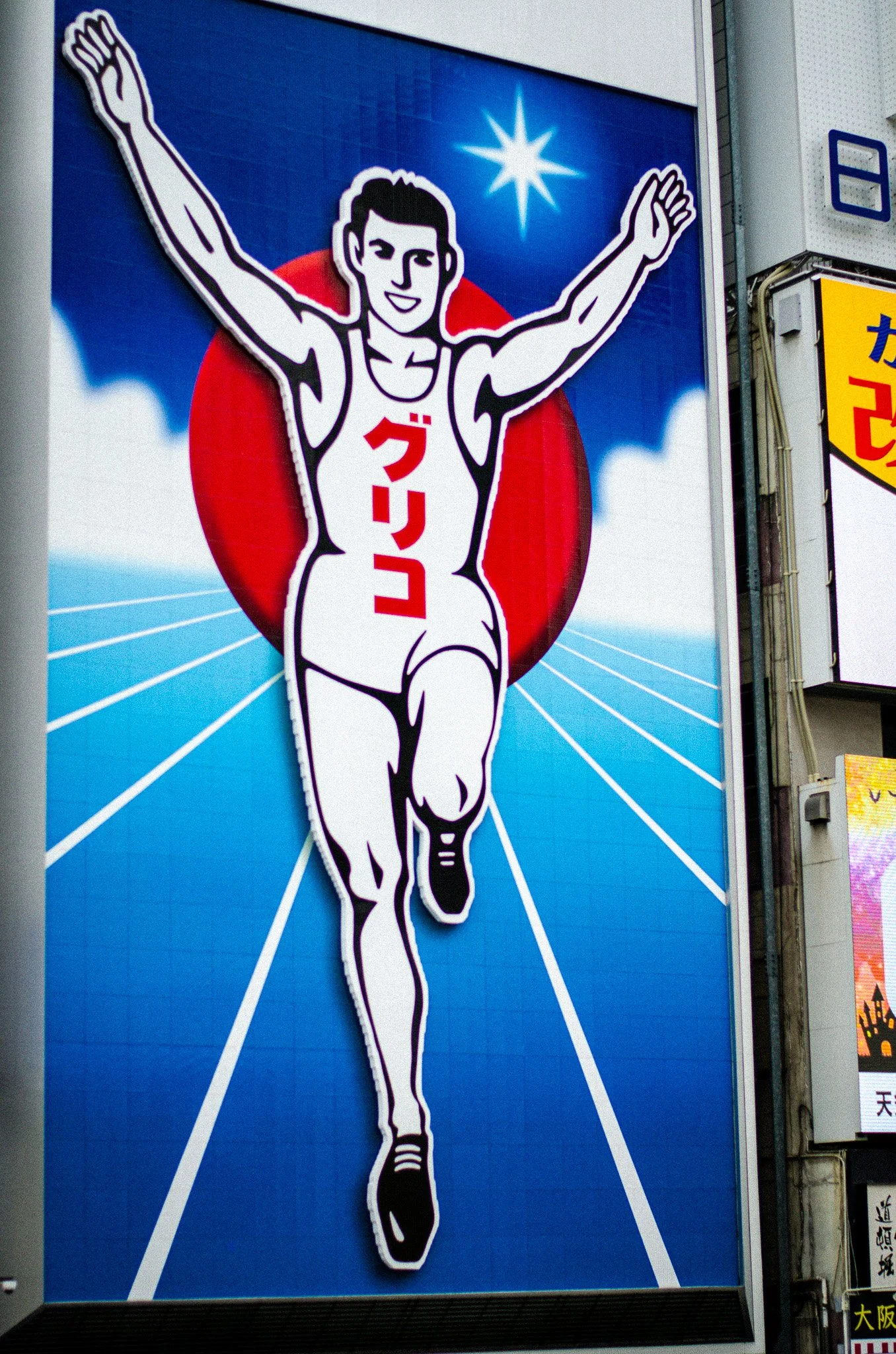
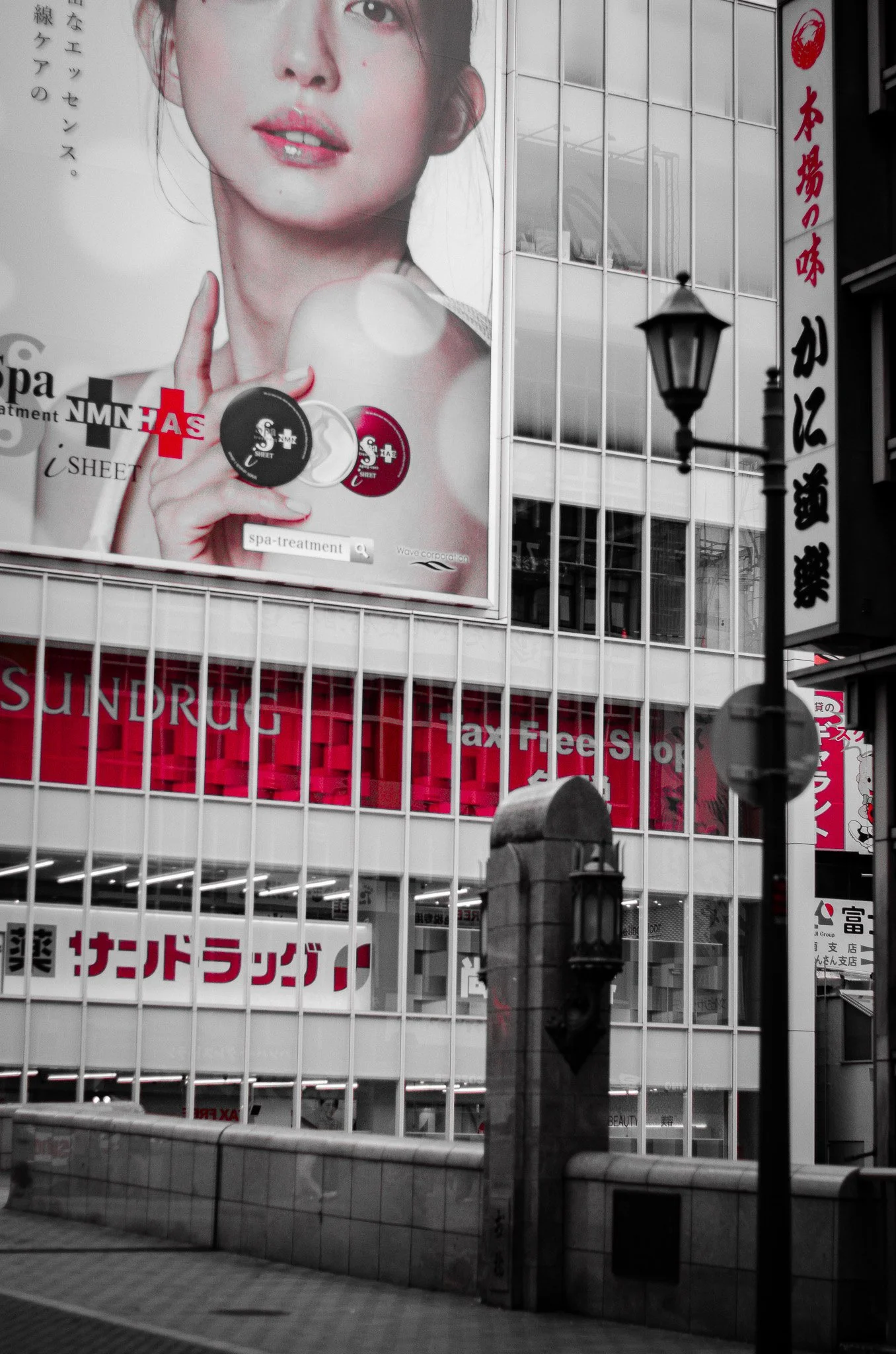
For all the historical sites, temples and famous landmarks that Japan offers, some places become iconic simply through repetition. The giant illuminated Glico advertisement overlooking the canal in Osaka was one of them. I had seen it countless times in photographs, travel videos and television programs, and with my own eyes on previous trips. It had become inseparable from my mental image of Osaka itself.
The best view — and possibly the only way to truly appreciate it — was from the bridge.
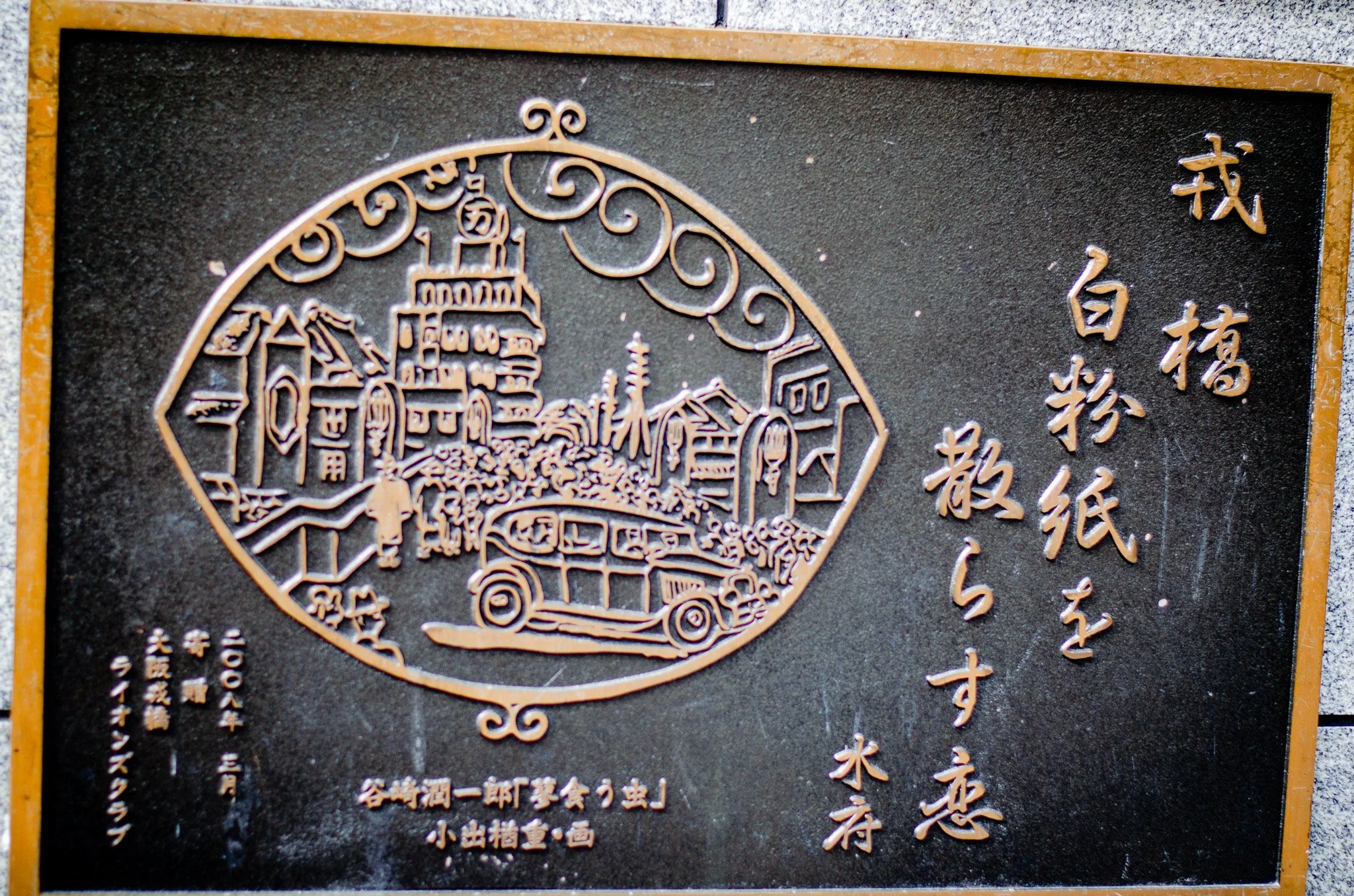
So, after leaving our luggage behind, we retraced our steps to the station and made our way to Namba.
By now, choosing where to eat had become a familiar ritual. We would slow our pace whenever we passed a row of restaurants, studying the plastic food displays and menu boards before moving on to the next possibility.
Eventually, we settled on a small restaurant tucked between several shops.
It felt intimate and welcoming, the sort of place that could easily be overlooked if you were walking too quickly.
The tables could only accommodate four people, so my partner and I found ourselves seated at the counter while the others occupied a nearby table.
I did not need long to decide what to order.
Seeing grilled mackerel on the menu immediately brought back memories of Hokkaido.
I still remembered the mackerel I had eaten in Otaru and Sapporo years earlier. The flavour had stayed with me long after the trip itself. Certain meals do that. They become attached to a place, a season, even a particular moment in your life.
Without hesitation, I ordered it.
When it arrived, it was good.
But it was not as good as I remembered.
At first, I wondered whether the restaurant simply prepared it differently.
Then another possibility occurred to me.
Perhaps the benchmark itself had changed.
The first truly memorable experience of a dish often becomes unfair competition for every version that follows. Memory has a habit of refining things over time, polishing away imperfections while preserving only the highlights.
What I remembered from Otaru was probably more than just grilled mackerel.
It was the cold northern air, the excitement of being somewhere new, the atmosphere of the restaurant, and the novelty of discovering a dish that exceeded expectations.
All those elements had quietly attached themselves to the taste.
Years later, sitting in Osaka, I was not comparing one piece of fish to another.
I was comparing a present meal to a memory.
And memories are rarely easy competitors to defeat.
Osaka was busier, more crowded, and the pace noticeably faster compared to the cities we had visited on this trip.
As we came up to street level, we found ourselves immediately in Dotonbori.
The giant crab, the octopus, the dense vertical signage, the Starbucks by the river, and the bridge all brought back a vivid familiarity from previous visits. My partner and I, guided by my nephew at the time, had come here on Halloween night a few years earlier.
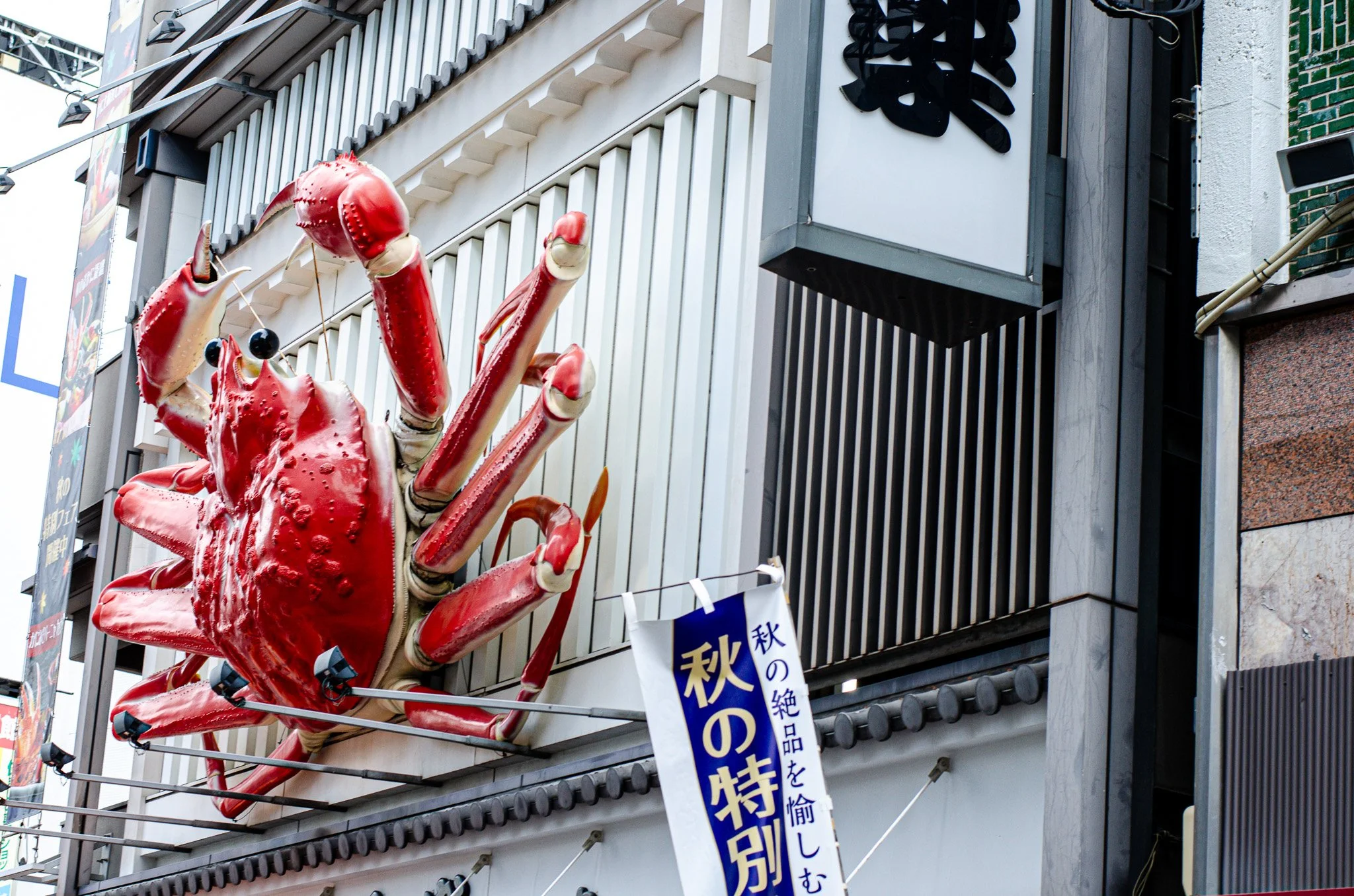
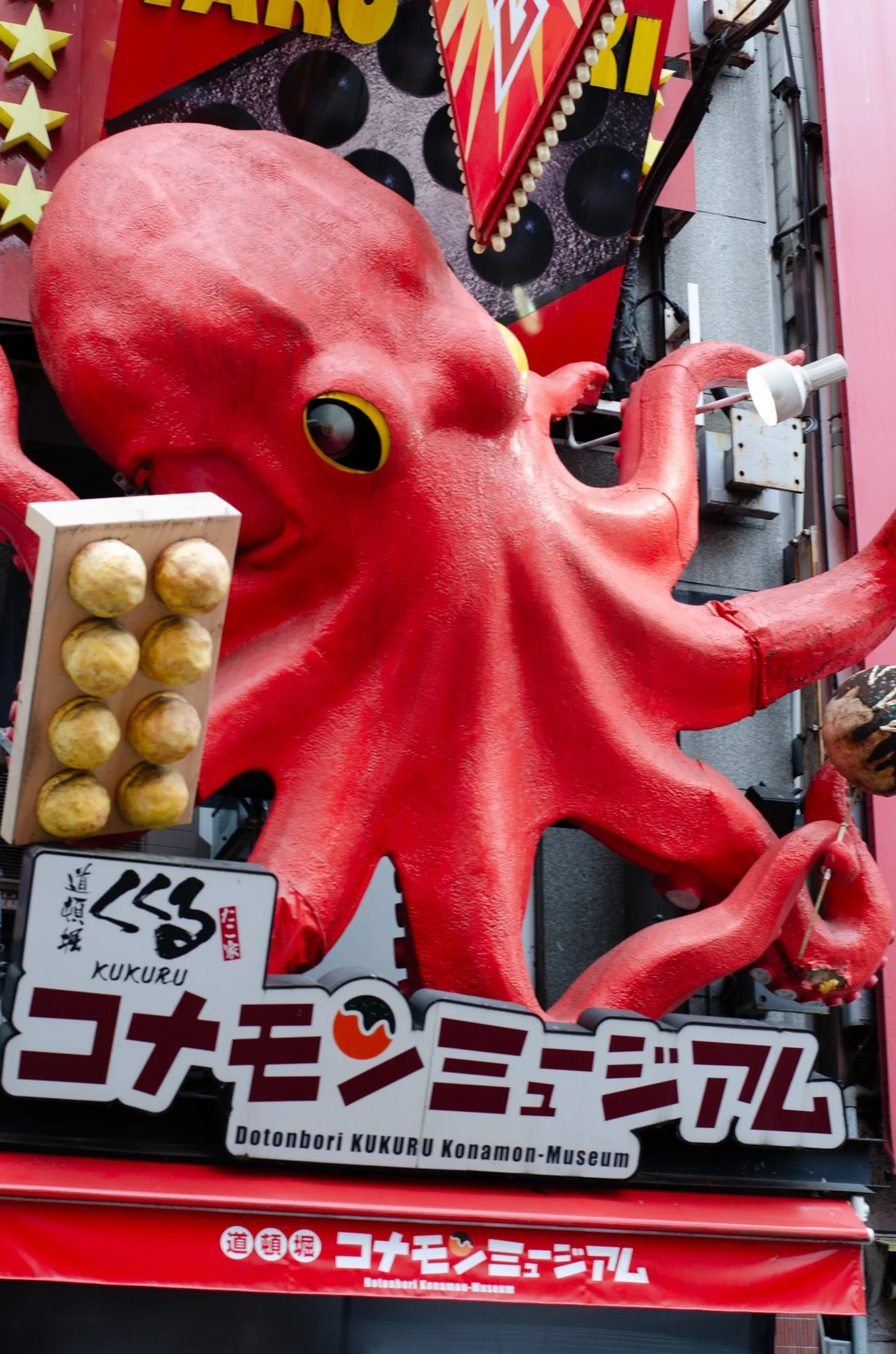
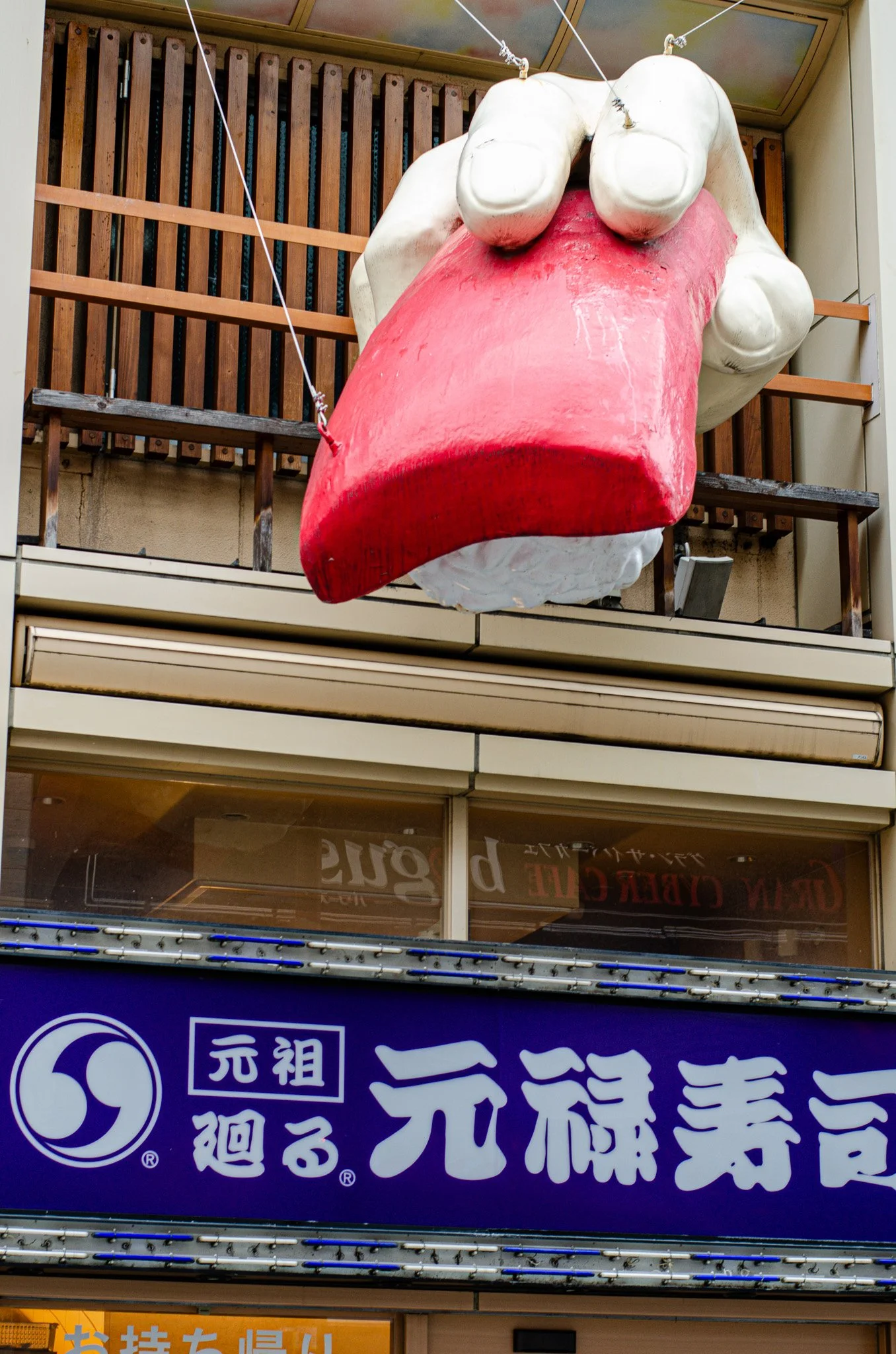
It was shortly after the tragedy in Seoul, only days before Halloween. At the time, we hesitated when asked whether we still wanted to experience Dotonbori that night. We knew it would be crowded—more than usual, far beyond its normal rhythm.
In the end, curiosity outweighed hesitation. We decided to go, with one condition: if anything felt unsafe, we would leave immediately.
That night, Dotonbori was alive in a way that is difficult to describe—young people in costume, the energy of celebration layered over the weight of recent events. It was something that had to be experienced rather than explained.
What stayed with me most was crossing the bridge.
We had crossed it several times before, but that night it felt different. The crowd compressed into a single moving mass, body to body, no space between. It became almost impossible to turn back or step aside once you were on it.
Halfway across, people began jumping. The bridge started to vibrate beneath us.
Then came the police voices cutting through the noise, urging people to stop.
For a brief moment, the atmosphere shifted. A few people screamed, and for an instant, the memory of what had happened in Seoul surfaced sharply.
Without fully thinking it through, I began looking for a way forward—any small gap that would allow us to move off the bridge without pushing against the current of people. I guided my partner and nephew through the flow.
I cannot clearly recall the exact sequence of steps that got us across, only that we reached the other side.
Safe.
And only then did I realise how tightly I had been holding that moment.
But today, Dotonbori was in its normal rhythm.
The street was busy, and the bridge in particular was crowded. Everyone seemed to be waiting for their turn to take a photo with the Glico Man as the backdrop — a small but familiar proof of having been to Osaka.
Some even struck the same running pose as the figure in the sign, leaning into the gesture with no hesitation. It was fascinating to observe how freely people expressed that shared intention, without restraint or self-consciousness, simply stepping into the frame they wanted.
Of course, we joined in as well, taking the obligatory group selfie before moving on.
The shift that began at Miyajima gradually became more pronounced.
We moved from shop to shop, lingering longer than intended, and without planning, the rhythm of the trip changed. Shaped by circumstance and whatever happened to be along our path, sightseeing slowly gave way to browsing.
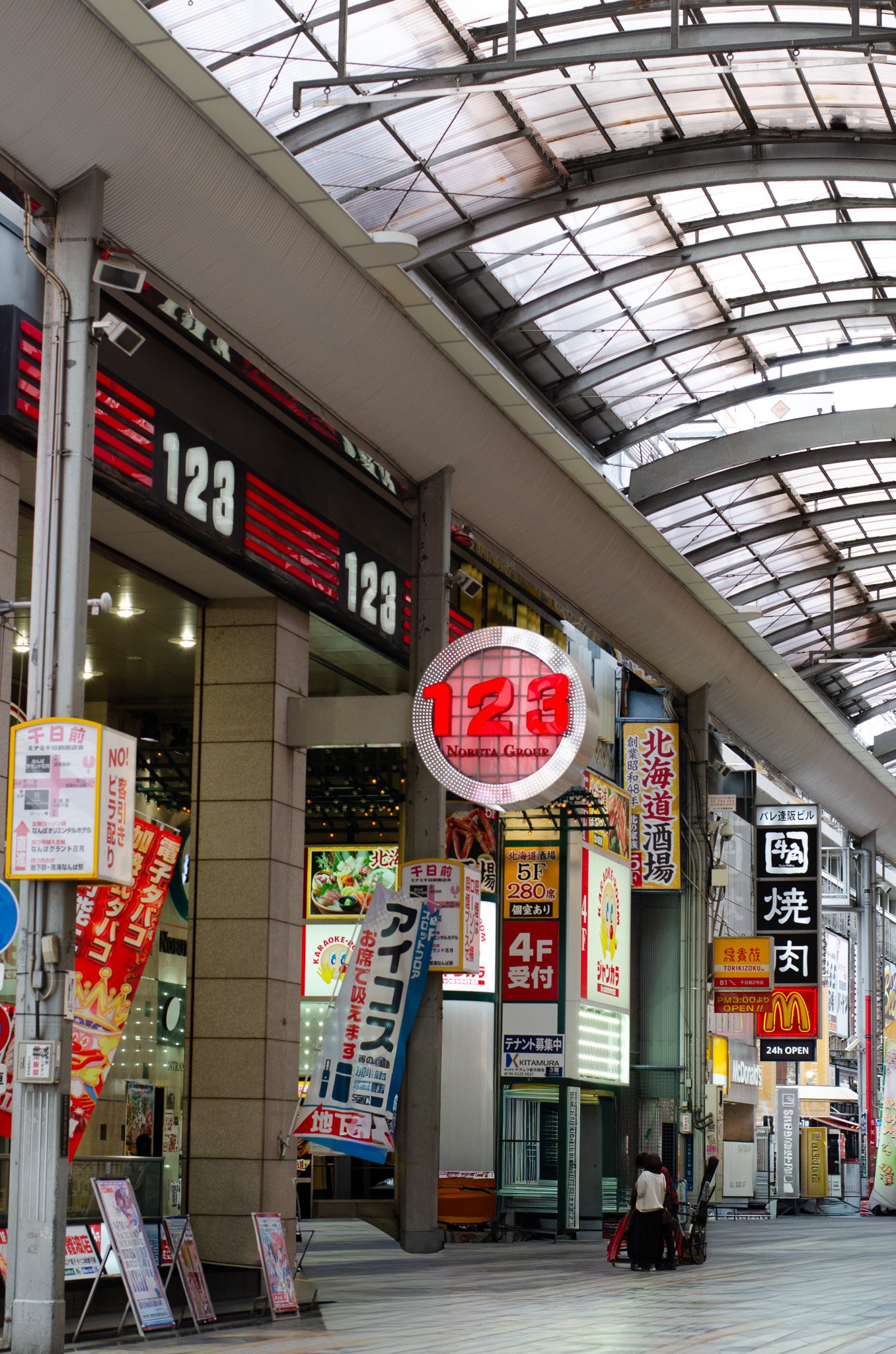
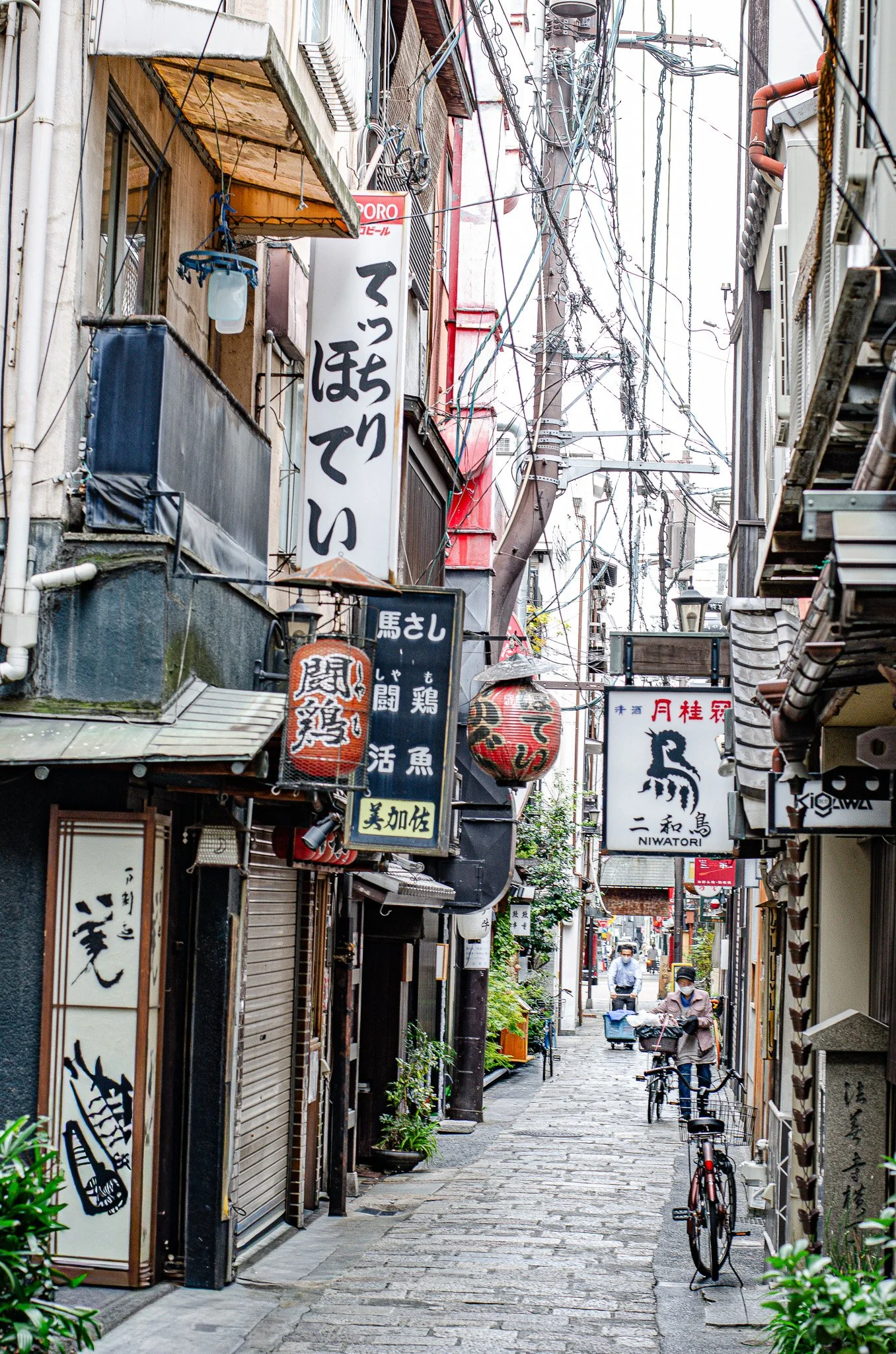
Before long, the journey had taken on the character of a shopping trip.
We spent more time in stores than we had set out to, looking at things none of us had specifically planned to buy. Not everyone welcomed this change, but most of us moved with it nonetheless.
By then, I was still dealing with a runny nose, and a light cough had developed. My energy had dipped, though I was still able to keep pace with the group.
When our feet grew tired, we decided to rest in a café — our first café stop of the trip.
Unfortunately, I had begun to develop reflux. I recognised the symptoms well and had medication with me, but I could still feel it building. It steadily dulled my appetite, until even the idea of food became unappealing. I knew I should avoid eating, as it would only aggravate it further.
So while everyone ordered, I simply sat with the menu in front of me.
Thankfully, the discomfort eased as we made our way back to the apartment.
It was also the first time on this trip that we had space to gather privately. That change of setting was welcome — sitting together, sharing stories from the day, laughing more freely before eventually retreating to our own rooms.
That evening stayed with me in a different way.
Until then, the trip had been defined by movement — trains, ferries, streets, and the constant negotiation of where to go next. Even moments of fatigue had simply been absorbed into the flow of the group.
But this was the first time my body imposed its own boundary.
The rhythm of travel did not stop, but it softened. I moved a little slower, ate less, and became more aware of the gaps between activities rather than just the activities themselves.
At the same time, something else shifted within the group dynamic.
With no need to rush out again, we stayed together longer than usual — talking, laughing, replaying small moments from the day. What had mostly been a functional coordination of travel began, briefly, to feel more like shared living.
It was a reminder that travel is not only shaped by places or plans, but also by condition — of the body, of energy, and of what each moment allows.
And sometimes, when movement slows, connection becomes clearer.